Pay in installments of $6.83 with
 ,
,
 and
and

Shipping Estimate
USA
- USA
- CAN
- USA
- CAN
Ships within 48 hours · Estimated delivery Sep 16 - Sep 21
 Promo Codes Available:
For Your Every Summer RSVP, with Code: SUMMER15
Description
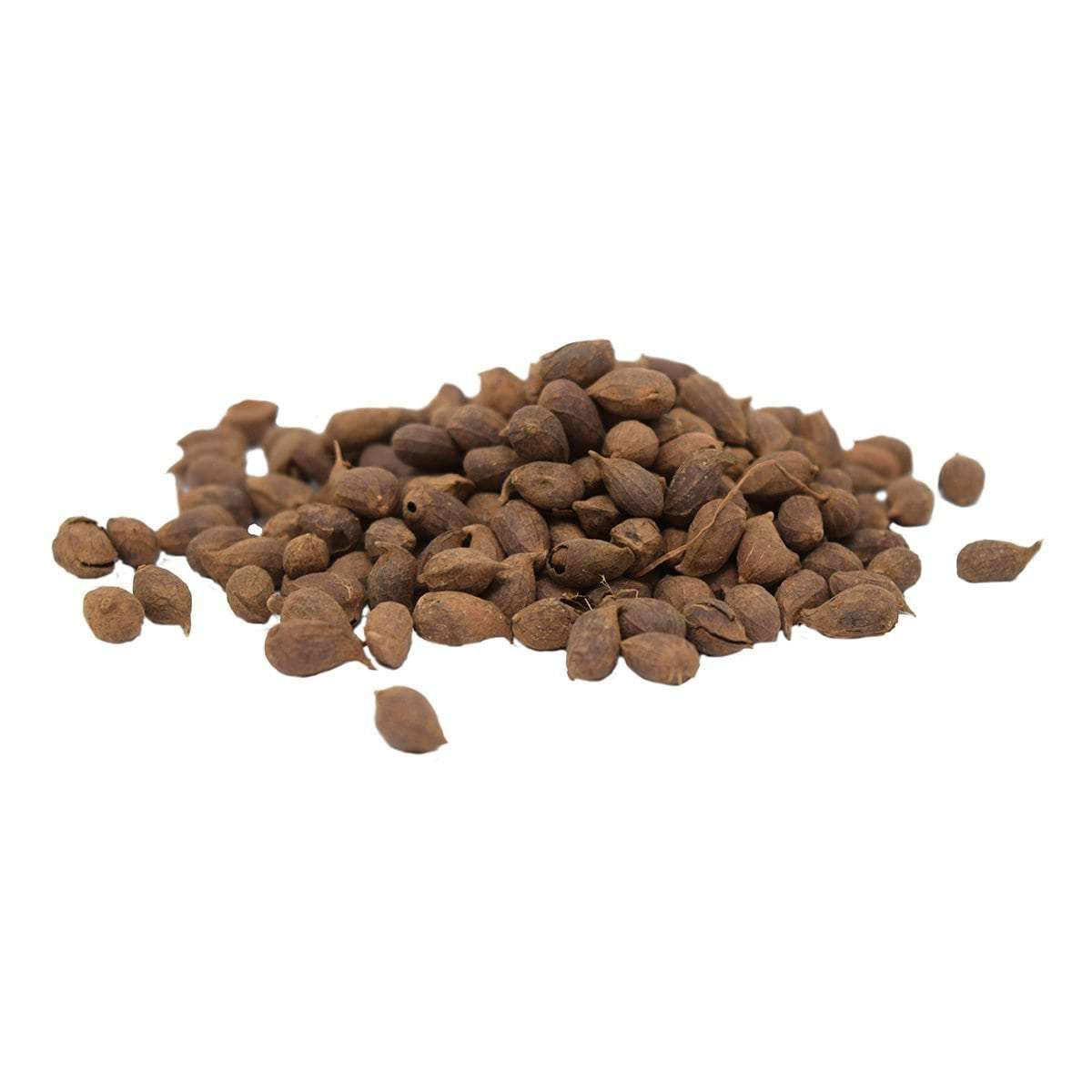
peanut plant seeds for sale Perennial Peanut SeedDue to the U. S. Department of Agriculture restricting the importation and sale of Perennial Peanut, it will not be available this season. Perennial Peanut can be used as an attractive, low maintenance ground cover that blooms bright yellow flowers from spring to first frost. This drought tolerant, hardy perennial requires little or no supplemental water after it is established. Perennial peanut is an excellent choice as an alternative ground cover
Due to the U.S. Department of Agriculture restricting the importation and sale of Perennial Peanut, it will not be available this season. Perennial Peanut can be used as an attractive, low-maintenance ground cover that blooms bright yellow flowers from spring to first-frost. This drought-tolerant, hardy perennial requires little or no supplemental water after it is established. Perennial peanut is an excellent choice as an alternative ground cover for lawns and golf courses. ~~~
Perennial Peanut can be used as an attractive, low-maintenance ground cover that blooms bright yellow flowers from spring to first-frost. This drought-tolerant, hardy perennial requires little or no supplemental water after it is established. Perennial peanut is an excellent choice as an alternative ground cover for lawns and golf courses.
Product Information
- Application or Use: Lawn, Groundcover, Landscaping
- Germination Time: 14 - 21 days, under optimal conditions
- Growing Locations: Warm Season
- Height: 4 - 6 inches
- Sunlight Requirements: 8+ hours, full sun for best results
- Advantages: Attractive low maintenance ground cover that blooms yellow flowers from spring to first frost.
- When to Plant: Recommended planting time is spring and summer when night time temperatures are consistently 65+ degrees.
Product Detail
- Attractive, low maintenance ground cover
- Well drained, sandy to clay soils
- Drought tolerant
- Hardy perennial
- Disease resistant
Product Information
LAWN USE: Perennial Peanut (Arachis Pintoi) can be used as an attractive, low-maintenance ground cover that blooms bright yellow flowers from spring to first-frost. This drought-tolerant, hardy perennial requires little or no supplemental water after it is established. Perennial peanut is an excellent choice as an alternative ground cover for lawns and golf courses during times of drought. It is the same genus as the peanuts that we eat, however Perennial Peanut produces only a very small pod and a tiny seed.
Grows best in well-drained sandy to clay soils, with low to neutral pH and low to high fertility. Fails to persist on seasonally waterlogged, poorly structured clays. It tolerates high levels of Al and MN, but has low tolerance of salinity.
Since this variety of Peanut produces so few seeds, propagation of the plant is generally done by its rhizomes. These rhizomes (underground stems) are dug up and planted in another location. Perennial Peanut was introduced into Florida in the 1930's, and originated in South America. The plant is becoming popular by commercial companies as ground cover in many areas. The perennial peanut is considered environmentally friendly because of its high tolerance to Florida's climate (even in drought conditions) and resistance to disease, insects and nematodes. In addition, because it is a legume, it requires no additional nitrogen fertilizer and has the ability to improve phosphorus availability in the soil that it lives in.
Ornamental perennial peanut is being tested in many areas, including the University of Florida, as a substitute for the water-loving turf that has been used in the past. It grows in sunny and partially shaded areas. Because of its underground rhizomes it is also ideal for stabilizing soil on inclines, around culverts and other structures. Studies by the University of Florida have shown that for best results, perennial peanut should be planted from January through March. However, even when planted during the other months, the plant survived and established itself. Planting in the first few months of the year will simply allow the peanut to establish roots faster. In addition, the study concluded that a 1.5 inch cutting height every 4 weeks is the ideal mowing schedule to allow the turf to flourish. Perennial Peanut grows best in full sun. It persists in a variety of well-drained soil types and does well in the deep sands of Florida. Land preparation should begin during summer prior to a winter planting to allow time for both chemical and mechanical weed control to be effective. If perennial broadleaf weeds or grasses persist, a herbicide such as glyphosate should be considered to eradicate this problem prior to first frost.
Even though Perennial Peanut is not native to Florida, since it doesn't reproduce by seed, it cannot be carried and spread by animals or wind. Therefore, it is not considered invasive and can be managed in the area in which it is planted. Rhizome perennial peanut has several potential advantages in the managed landscape. As its name implies, Perennial Peanut is long-lived and doesn't require replanting once established. The end result of choosing Perennial Peanut as ground cover for your lawn is savings in water, energy, dollars, and reduced impacts to the environment. It is not only beneficial to the environment since it requires no supplemental nitrogen, phosphorus fertilization, or pest control, but it also is aesthetically pleasing, can be walked on, and has edible, peanut-flavored flowers.
Please be advised that squirrels love to eat this seed!
*Product packaging may appear different than what is pictured.~~~
LAWN USE: Plant during the spring at a rate of 1 lb. per 1,000 sq. ft at a depth of 1/2 to 3/4 inches.
Shipping Notes
- Free Standard Shipping on $100+ Orders to the USA.
- Except Preorder products are shipped in 48 hours.
- Delivery to the USA:
- Standard Shipping : 3-10 business days
- If time is of the essence, please consider selecting expedited delivery for faster service.
Exchange/Return Notes
- We offer a 30-day return/exchange service after receiving.
- Final sale items are not eligible for returns or exchanges.
- To process your return/exchange, please contact us at [email protected]
- Please click here for more details>>> Return & Exchange Policy