Pay in installments of $5.97 with
 ,
,
 and
and

Shipping Estimate
USA
- USA
- CAN
- USA
- CAN
Ships within 48 hours · Estimated delivery Sep 7 - Sep 12
 Promo Codes Available:
For Your Every Summer RSVP, with Code: SUMMER15
Description
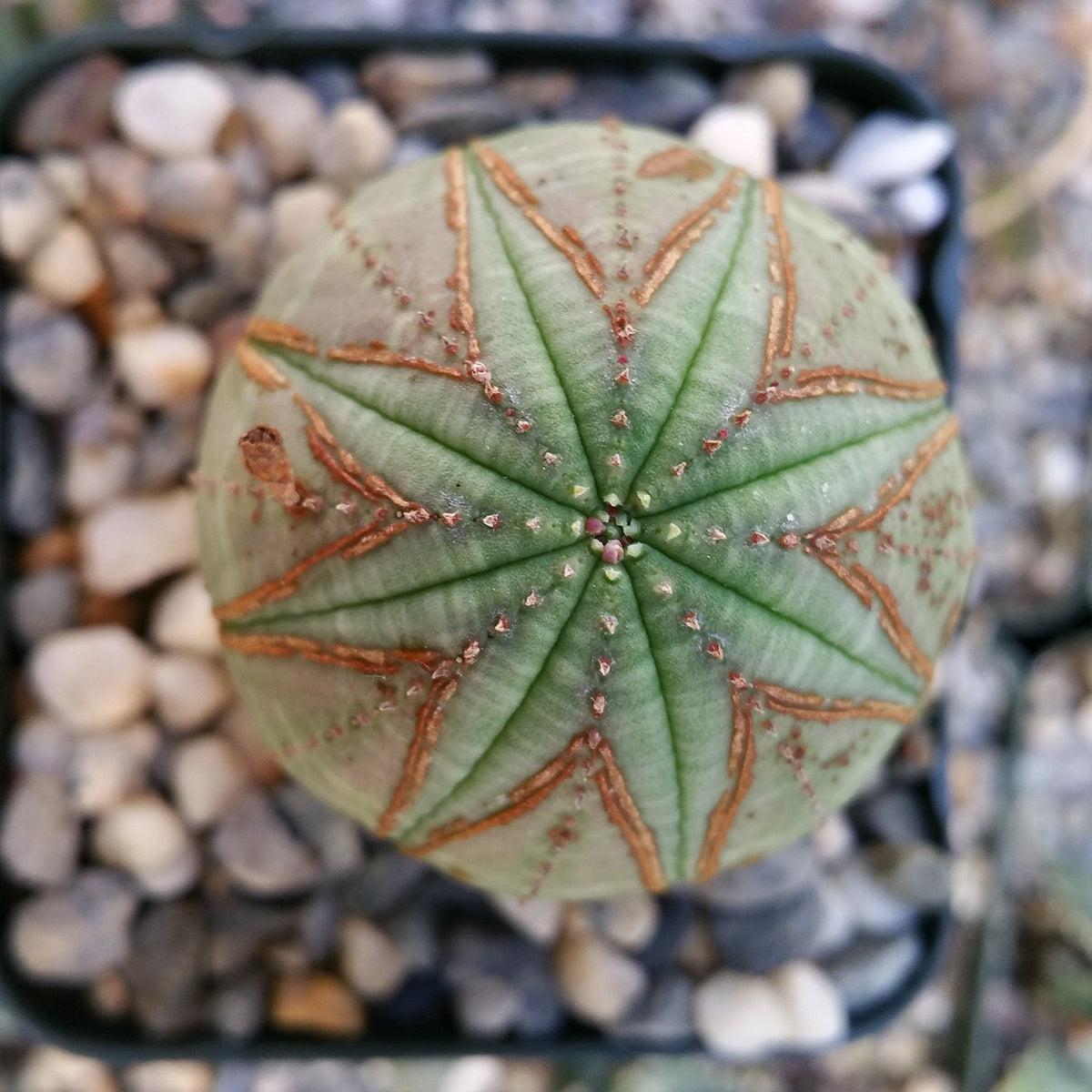
baseball succulent Baseball Plant 'Euphorbia obesa' 4" PotWelcome to the world of the baseball plant, also known as Euphorbia obesa a stunning perennial, evergreen indoor plant among the Euphorbia species that's bound to leave you in awe! The baseball plant got its name because of its round, ball like shape, which resembles a baseball. Its unique appearance has earned it this playful nickname among succulent plant enthusiasts. It has several other common names, such as basketball plant, baseball cactus, and
Welcome to the world of the baseball plant, also known as Euphorbia obesa - a stunning perennial, evergreen indoor plant among the Euphorbia species that's bound to leave you in awe!
The baseball plant got its name because of its round, ball-like shape, which resembles a baseball. Its unique appearance has earned it this playful nickname among succulent plant enthusiasts. It has several other common names, such as basketball plant, baseball cactus, and Gingham. Because its younger plants resemble sea urchinGo to sea-urchin-cactus-echinopsis-eyriesii cacti, the baseball plant is occasionally misidentified as a sea urchin plant.
The term "obesa" originates from the Latin word "obesus," which translates to "fat, stout, or plump," and refers to the fleshy, rounded stem.
Euphorbia obesa is a small, cylindrical, grey-green, solitary, slow-growing succulent with a ball-shaped stem that grows up to 8 inches tall and 4 inches in diameter.
The flowers of the Euphorbia obesa are small, inconspicuous, and typically greenish-yellow in color.
These flowers are not the main attraction of the plant, as Euphorbia obesa is primarily valued for its unique shape and texture.
Euphorbias have a cyathium, a complex floral arrangement consisting of many reduced male flowers or a single female flower, serving as the unit of the inflorescence.
While the flowers may not be showy, they can still add a touch of charm to the overall appearance of the plant during the summer months. Female flowers have three little antler-shaped stigmas, no pollen, and, when pollinated, produce seeds. It's a real conversation starter! well-draining potting mixGo to soil-cactus-mix-blend-1-gal-4-qt-cacti-succulent-dirt-compost-growing-media
Euphorbias don't need annual repotting, but when they outgrow their pot, repot them in a larger pot and provide a fresh potting mix.
Euphorbia plants are simple to grow and care for. They thrive in environments that are similar to their natural habitat. If you are a busy bee who does not have much time to spend at home, this interesting plant is an excellent companion for you and your other low-maintenance plants.
When and How to Water Your Euphorbia obesa
When it comes to watering Euphorbia obesa, it's important to find the right balance. This succulent prefers a drier environment, so overwatering can be a big no-no. Like most succulents and cacti, it will also die if they are overwatered.
It's best to let the soil dry out completely between waterings to avoid any issues like root rot. Baseball plants require more water in the spring and summer and much less water during their dormant period in the fall and winter months.
You can check if it's time to water by sticking your finger into the soil about an inch deep. It should be given a drink if it feels dry. But if it's still wet, wait a little longer before watering. Remember, it's always better to underwater than overwater when it comes to Euphorbia succulents!
Light Requirement - Where to Place Your Euphorbia obesa
If you are growing Euphorbia obesa indoors, placing it near a window where it can receive filtered sunlight is perfect. Direct sunlight can be too intense for the Euphorbia obesa and may cause sunburn or damage its delicate leaves.
When growing outdoors, the Euphorbia obesa baseball plant loves basking in the sunshine, but it's important to provide it with the right kind of light.
To keep its variegated leaf coloration, the Baseball plant requires bright light and a sunny position.
The amount of light required is determined by the growing conditions, which can range from full sun to partial shade sun exposure.
If you notice the leaves turning yellow or brown in your flowering plants, it could be a sign of too much sun exposure. So, find a cozy spot with just the right amount of bright sunlight to keep your baseball plant happy and healthy!
Optimal Soil & Fertilizer Needs
The baseball plant Euphorbia obesa favors very airy, sandy, and well-draining potting soil. Planting them in ordinary soil will result in compacted roots, stunted growth, and, most likely, root rot. Instead, make or buy a , or ideally, use our specialized potting mix that contains 5 natural substrates and mycorrhizae to promote the development of a strong root system that helps your succulent to thrive.
As for fertilizer, the Euphorbia obesa do not require regular fertilization as they are adapted to growing in nutrient-deficient soil. It's best to use a balanced (5-10-5), water-soluble NPK fertilizer during the growing season, which is typically spring. Applying the fertilizer once a year should be sufficient.
Remember to avoid over-fertilizing, as this can cause harm to the baseball plant. With the right soil and occasional fertilization, your Euphorbia obesa will thrive and grow beautifully!
Hardiness Zone & More
When growing indoors, it prefers warm temperatures, ideally between 65-85°F. If grown outdoors, it can tolerate occasional temperatures as low as 40°F but may suffer damage if exposed to frost or cold drafts for extended periods.
In the United States, this is mostly an indoor plant, but if you live in southern Florida or Hawaii then you can cultivate it outdoor in USDA zones 9-11.
In terms of humidity, the Euphorbia obesa baseball plant is adaptable and can tolerate a range of humidity levels. However, it generally prefers a drier environment with lower humidity. It's important to provide good air circulation around the plant to prevent any issues with excess moisture or humidity-related diseases.
Remember, it's always a good idea to research and understand the specific needs of your Euphorbia obesa based on your local climate and conditions. This will help ensure that you provide the best care for your succulent friend!
Wildlife - Euphorbia obesa Attracts the Following Friendly Pollinators
Euphorbia obesa plants attract a variety of pollinators, including bees, butterflies, and hummingbirds. These pollinators are essential for the plant's reproduction and overall health. Bees are particularly drawn to the nectar-rich flowers of your plan, while butterflies and hummingbirds are attracted to the bright colors and sweet scent. By providing a food source for these friendly pollinators, this plant helps support local ecosystems and biodiversity.
According to the ASPCA, the Euphorbia obesa is considered mildly toxic to humans and pets. The plant's milky latex sap is a skin irritant and can be fatal if ingested in a large amount.
How to Propagate Your Baseball Plant
To propagate your baseball plant, you can take stem cuttings from the plant and place them in a rooting hormone before planting them in a well-draining soil mix. Keep the cuttings in a warm, humid environment with indirect sunlight until they develop roots and can be transplanted into individual pots. Water the new plants regularly and provide them with proper care to help them thrive and grow into healthy, mature plants.
Key Takeaways
- Euphorbia obesa is often referred to as the "Baseball Plant" due to its round, ball-like shape. It maintains a symmetrical and striped appearance that resembles a green and gray-striped baseball.
- Euphorbia obesa is a succulent and can survive long periods of drought by storing water in its thick, fleshy stem. It's perfect for xeriscaping or low-maintenance indoor gardening.
- The plant grows very slowly but can live for decades with proper care, making it a favorite among collectors of unique succulents.
- It is a protected plant in its native region due to over-collection and habitat loss. It is now cultivated worldwide to preserve wild populations.
- This plant is native to South Africa, specifically the Karoo region, where it thrives in arid, rocky environments with minimal water and intense sunlight.
The Bottom Line
Overall, the Euphorbia obesa (Baseball Plant) is a cool succulent that looks like a round baseball or bowling ball. It has green skin with ridges that make it stand out. Taking care of this plant is pretty easy. It likes bright, indirect light, so put it near a window. Water it only when the soil is completely dry, and make sure the soil drains well. Keep it in a warm spot, between 65-85°F, and protect it from frost. Just be careful with its sap because it can be toxic. Enjoy this unique and low-maintenance plant!
At Planet Desert, we're proud to offer the Baseball plant for sale online so that gardening and sporting enthusiasts everywhere can enjoy its beauty.
Shipping Notes
- Free Standard Shipping on $100+ Orders to the USA.
- Except Preorder products are shipped in 48 hours.
- Delivery to the USA:
- Standard Shipping : 3-10 business days
- If time is of the essence, please consider selecting expedited delivery for faster service.
Exchange/Return Notes
- We offer a 30-day return/exchange service after receiving.
- Final sale items are not eligible for returns or exchanges.
- To process your return/exchange, please contact us at [email protected]
- Please click here for more details>>> Return & Exchange Policy