Pay in installments of $7.36 with
 ,
,
 and
and

Shipping Estimate
USA
- USA
- CAN
- USA
- CAN
Ships within 48 hours · Estimated delivery Sep 8 - Sep 13
 Promo Codes Available:
For Your Every Summer RSVP, with Code: SUMMER15
Description
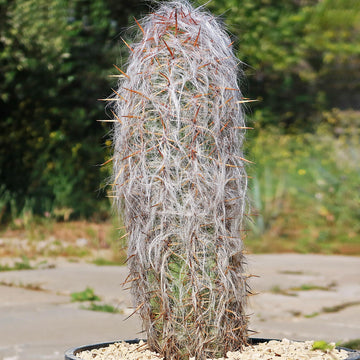
old man succulent Old Man of the Andes Cactus - Oreocereus celsianusIntroducing the Old Man of the Andes cactus, also known as Oreocereus celsianus, is a fascinating columnar cactus native to the high altitude regions of the Andes Mountains in South America. This unique cactus gets its name from its distinctive appearance, as its long, white, hair like spines resemble the flowing beard of an old man. Oreocereus celsianus is covered in fine, dense hairs and orange yellow spikes that look cool and help provide the plant
Introducing the Old Man of the Andes cactus, also known as Oreocereus celsianus, is a fascinating columnar cactus native to the high-altitude regions of the Andes Mountains in South America. This unique cactus gets its name from its distinctive appearance, as its long, white, hair-like spines resemble the flowing beard of an old man.
Oreocereus celsianus is covered in fine, dense hairs and orange-yellow spikes that look cool and help provide the plant with heat and frost protection, making it ideal for container gardens or sun-drenched garden locations. In the wild, your old man of the Andes can grow into clumps that are up to 24 inches wide and 10 feet tall. The thick covering of silky white hairs makes it challenging to describe the shape of the ribbed stem.
The old man of the Andes cactus and the old man cactus might occasionally be mistaken. Despite having the same common name, the two cacti are distinct species. The Baja California region of Mexico is home to the Old Man Cactus, or Cephalocereus senilis. The Old Man cactus, in contrast to the Old Man of the Andes cactus, has thicker, shorter spines that give it a more woolly, fuzzy appearance that mimics an old man's hair.
The flowers of the Old Man of the Andes cactus are diurnal, tubular, or slightly funnel-shaped, and slightly curved! These beautiful blooms emerge from the areoles of the cactus, showcasing vibrant colors that range from shades of pale purplish pink to white, yellow, and dark red during the spring blooming season. It has mauve pink to dark red inner tepals and greenish brown outer tepals.
They appear laterally, almost at the top of the plant, and only after the plant is several years old. What makes these flowers even more special is that the Old Man of the Andes cactus can produce multiple flowers from a single areole, creating clusters of blossoms that add a burst of color to its unique appearance. These flowers attract pollinators such as bees and birds, ensuring the continuation of this remarkable cactus species.
The friendly Old Man of the Andes cactus brings joy to both humans and pets with its whimsical appearance and unique charm. Its soft white hairs make it a fun and safe plant for pets to interact with, while its intriguing features captivate the hearts of plant enthusiasts.
Watering Needs
When it comes to watering the Old Man of the Andes cactus, it's important to strike the right balance. Originally from the high-altitude Andes Mountain regions, this unusual cactus has adapted to live in dry environments. As a result, it has a low water requirement compared to other cactus plants. Overwatering can be detrimental to the health of the cactus, as it is prone to root rot. It's best to allow the soil to completely dry between waterings and then water it thoroughly, ensuring that excess water drains out properly. This mimics the natural rainfall patterns in its native habitat and helps prevent issues related to overwatering.
In terms of frequency, the Old Man of the Andes cactus typically requires watering every 2-3 weeks during the growing season, which is usually spring and summer. Since the cactus enters a rest phase during the fall and winter dormant seasons, it needs even less water during this time. It's important to adjust your watering schedule accordingly to provide the cactus with the appropriate amount of moisture based on the season.
Remember, it's always better to underwater than to overwater this beautiful cactus anyway. Observing the soil's condition and the appearance of the cactus can also help you determine when to water. You can help keep your Old Man of the Andes cactus healthy and thriving by providing the appropriate amount of water and following a proper watering schedule!
Light Requirements
When it comes to the light requirements of the Old Man of the Andes cactus, it's important to provide it with the right amount of sunlight. This cactus thrives in bright, indirect light, similar to the conditions it experiences in its native Andes Mountains habitat. It prefers a spot where it can receive 4-6 hours of bright, filtered sunlight each day. Placing it near a window with a sheer curtain or in a location with bright, indirect light is ideal.
However, it's important to avoid exposing the Old Man of the Andes cactus to direct, intense ultraviolet light, especially during the hottest parts of the day. Too much direct sunlight can lead to sunburn and damage the delicate tissues of the cactus. If you notice the cactus turning yellow or reddish brown on occasion, this could be a sign of sunburn, and you should relocate it to a shadier location.
It's also worth noting that this cactus can tolerate lower light conditions for short periods, but prolonged low light can lead to etiolation, where the cactus stretches and becomes weak. If you notice your cactus leaning or stretching toward the light source, this is an indication that it requires more light.
Optimal Soil & Fertilizer Needs
When it comes to choosing the right soil for your Old Man of the Andes Cactus, it's important to be cautious. This is because the amount of moisture in the soil can be the primary reason for the early death of most cacti. For Oreocereus cacti, be sure to avoid excess moisture in fresh soil because it can promote root and stem rot.
Use a well-drained specialty soil mix, as this type of potting soil mix has been precisely developed to imitate well-drained desert soils. Commercial cactus-growing soil is affordable and accessible online. Here at Planet Desert, we have a specialty-formulated cacti potting mix that contains 5 natural substrates and organic mycorrhizae to promote the development of a strong root system that helps your cactus thrive. An okay alternative is to make your own soil at home, that is, if you don't mind getting a bit of dirt on your hands and you are okay with a mediocre soil mix. If so, simply combine healthy natural garden soil with equal parts of sand or perlite.
When it comes to fertilizing the Old Man of the Andes cactus, it's important to take a gentle approach. This cactus doesn't require frequent or heavy fertilization. During the growing season, which is typically spring, you can use a diluted, balanced (5-10-5) NPK cactus fertilizer. Follow the instructions and apply it sparingly, usually once a year.
However, it's important to note that during the dormant period in fall and winter, the Old Man of the Andes cactus doesn't require fertilizer. It's best to let it rest during this time and avoid any fertilizer applications. Overfertilizing can lead to nutrient imbalances and harm the health of the cactus.
Hardiness Zone & More
The fascinating Old Man of the Andes cactus is native to the high-altitude regions of the Andes Mountains, where it can withstand cold and dry climates. Warm temperatures and high humidity are preferred by the Old Man of the Andes cactus during its growing season, as it is not very frost-resistant. It grows best indoors at temperatures between 70 and 90 degrees Fahrenheit. It can withstand slightly lower temperatures during the fall and winter dormant seasons but must remain above freezing.
The Old Man of the Andes cactus is typically suited for zones 8 to 11, which are regions with mild to warm climates. These zones generally experience cold winter days with lows that range from 20 to 40 degrees Fahrenheit. However, it's worth noting that this cactus can tolerate slightly cooler temperatures for short periods, but prolonged exposure to frost or freezing temperatures can cause damage.
This cactus prefers low humidity levels and is adapted to arid environments. It can tolerate dry air on humid days and doesn't require high levels of humidity. However, it's important to provide fresh soil and some air circulation to prevent excess moisture buildup around the cactus, as this can lead to rot.
The bottom line:
The Old Man of the Andes cactus is a unique and fascinating cactus plant with its long, columnar stems covered in dense white hairs, resembling an old man's beard. It adds a touch of whimsy to any cactus collection with its striking appearance and beautiful purplish-pinkish flowers. When caring for this cactus, make sure to provide it with bright light and well-draining soil, and avoid overwatering. It thrives in dry periods and should be protected from frost. Overall, with the help of the Old Man of the Andes Cactus, you'll start to spend less time maintaining your garden and more time taking in its beauty!
Shipping Notes
- Free Standard Shipping on $100+ Orders to the USA.
- Except Preorder products are shipped in 48 hours.
- Delivery to the USA:
- Standard Shipping : 3-10 business days
- If time is of the essence, please consider selecting expedited delivery for faster service.
Exchange/Return Notes
- We offer a 30-day return/exchange service after receiving.
- Final sale items are not eligible for returns or exchanges.
- To process your return/exchange, please contact us at [email protected]
- Please click here for more details>>> Return & Exchange Policy