Pay in installments of $7.49 with
 ,
,
 and
and

Shipping Estimate
USA
- USA
- CAN
- USA
- CAN
Ships within 48 hours · Estimated delivery Sep 9 - Sep 14
 Promo Codes Available:
For Your Every Summer RSVP, with Code: SUMMER15
Description
best pesticide for succulents Liquid Fertilizer for Succulents and CactusPrevent a Nutrient Drought with Liquid Succulent Fertilizer for Cactus for Succulents Cactus and succulents dont require much water, but that doesnt mean they dont need nutrients. Our Liquid Succulent Fertilizer is perfect for desert natives because you can incorporate it into your regular watering schedule, so you dont have to worry about overwatering your plants. You can use this fertilizer for any cactus or succulent, including snake plants,
Prevent a Nutrient Drought with Liquid Succulent Fertilizer for Cactus for Succulents
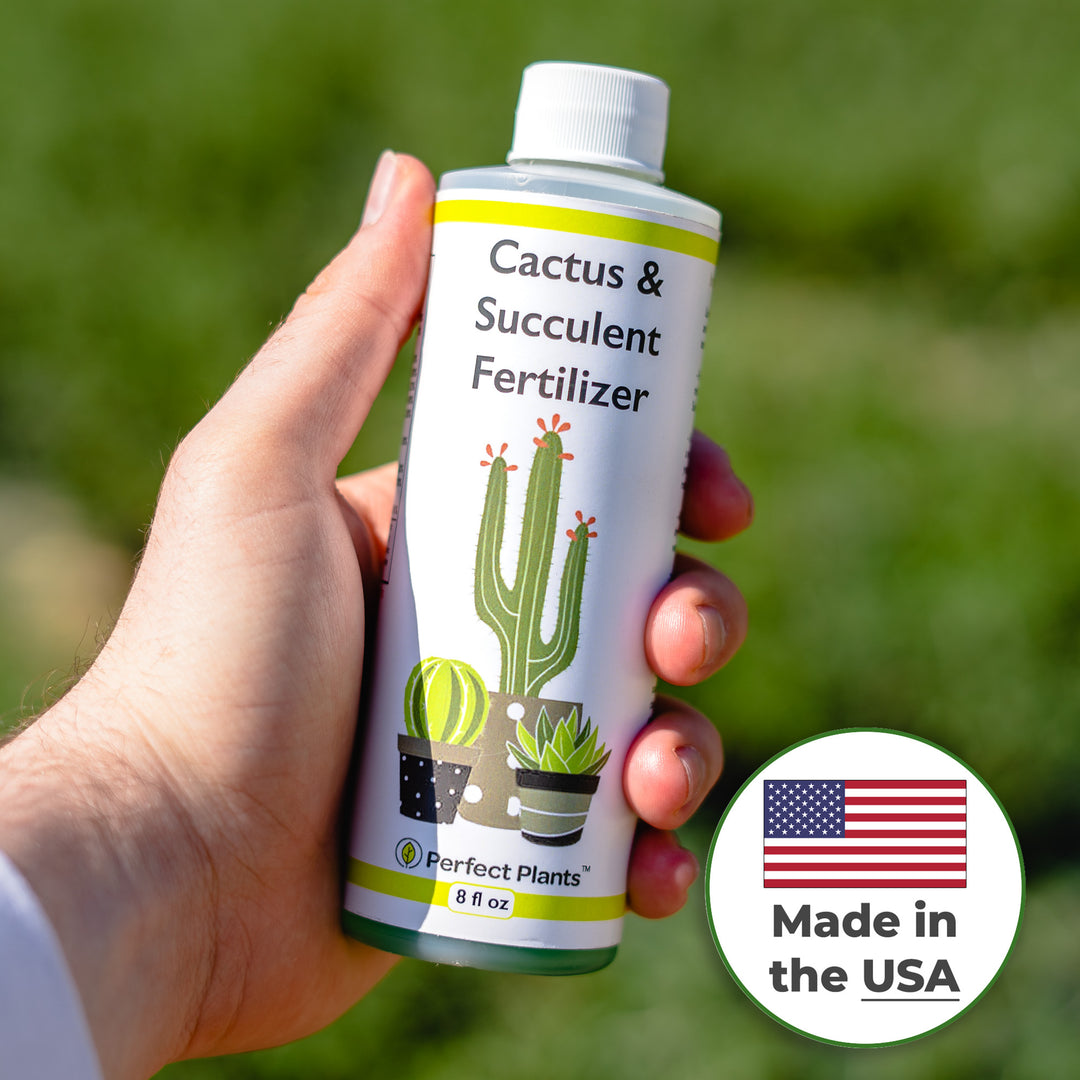
Cactus and succulents don’t require much water, but that doesn’t mean they don’t need nutrients. Our Liquid Succulent Fertilizer is perfect for desert natives because you can incorporate it into your regular watering schedule, so you don’t have to worry about overwatering your plants.
You can use this fertilizer for any cactus or succulent, including snake plants, prickly pear cactus, aloe vera, Hawthoria, hoyas, and African violets.
This liquid fertilizer for succulents has nitrogen, phosphate, potassium, and other vital nutrients your plants need to develop a healthy root system and vibrant foliage colors. When your plants receive the proper nutrients, you’ll notice your slow growers perk up a bit. The Liquid Succulent Fertilizer ratio is 9-3-6.
Succulent Liquid fertilizer is more efficient than powders and granules because it mixes with water and can easily be absorbed by the roots. Your plants can quickly get the nutrients they need which is great if you’re treating nutrient-deprived plants that need their food now.
How to Fertilize Succulents with Liquid Fertilizer
To use this liquid fertilizer for cactus and succulents, mix one teaspoon of the fertilizer per one gallon of water. Give it a stir to mix thoroughly, and then apply it to your plants.
If you don’t use all the fertilizer mixture immediately, you can store it with a lid in a cool, dry place and save it for next time. It can store for up to six months, so one bottle of fertilizer is sure to last you for a while.
How Often to Fertilize Succulents with Liquid Fertilizer
Fertilize and water your plants only once per month at the same time. There’s no need to do each separately since the fertilizer mixes into the water.
Plants native to the desert, such as cactuses and succulents, require very little water since the plants adapted to store water in their foliage. It’s important that you don’t overwater your plants once you start fertilizing them, or you’ll quickly lead them to root rot.
Avoid Overwatering Your Desert Dwellers
It’s easy to overwater succulents and cactuses because they require much less water than other houseplants. Here are a few tips to prevent root rot so your plants can stay happy.
Incorporate our fertilizer into your regular watering schedule. Once you water your plant with our fertilizer, you don’t have to water it again with plain water. Your plant gets food and water in just one watering.
Allow the soil to dry out completely before you water it. We recommend watering once per month, but some plants may need water less often if the soil holds moisture well. Water deeply rather than shallow to encourage root growth and make sure that the plant will receive all the nutrients it needs from the fertilizer. Succulents have shallow roots, so multiple shallow waterings each month puts your plant at risk of developing root rot quickly since the top of the soil is always wet.
Use well-draining soil to prevent root rot. Excess water needs to drain out of a drainage hole, and the soil shouldn’t hold onto extra moisture.
Be sure to check out our Succulent Grow Guide for more information on planting and growing succulent plants.
Don’t forget the Cactus and Succulent Potting Soil to pair with this, and check out the Pellet Succulent Fertilizer if you prefer a pellet based formula.
Shipping Notes
- Free Standard Shipping on $100+ Orders to the USA.
- Except Preorder products are shipped in 48 hours.
- Delivery to the USA:
- Standard Shipping : 3-10 business days
- If time is of the essence, please consider selecting expedited delivery for faster service.
Exchange/Return Notes
- We offer a 30-day return/exchange service after receiving.
- Final sale items are not eligible for returns or exchanges.
- To process your return/exchange, please contact us at [email protected]
- Please click here for more details>>> Return & Exchange Policy