Pay in installments of $6.80 with
 ,
,
 and
and

Shipping Estimate
USA
- USA
- CAN
- USA
- CAN
Ships within 48 hours · Estimated delivery Sep 19 - Sep 24
 Promo Codes Available:
For Your Every Summer RSVP, with Code: SUMMER15
Description
crassula argentea jade plant Crassula ovata – Succulent Factory IndiaCrassula ovata, universally known as the Jade Plant, Money Plant, or Friendship Tree, is one of the most popular and recognizable succulents in the world. Native to South Africa and Mozambique, this plant is celebrated for its tree like appearance, thick woody stems, and fleshy, oval shaped leaves. Its longevity and resilience make it a cherished houseplant, often passed down through generations. Detailed Description The Jade Plant is a succulent
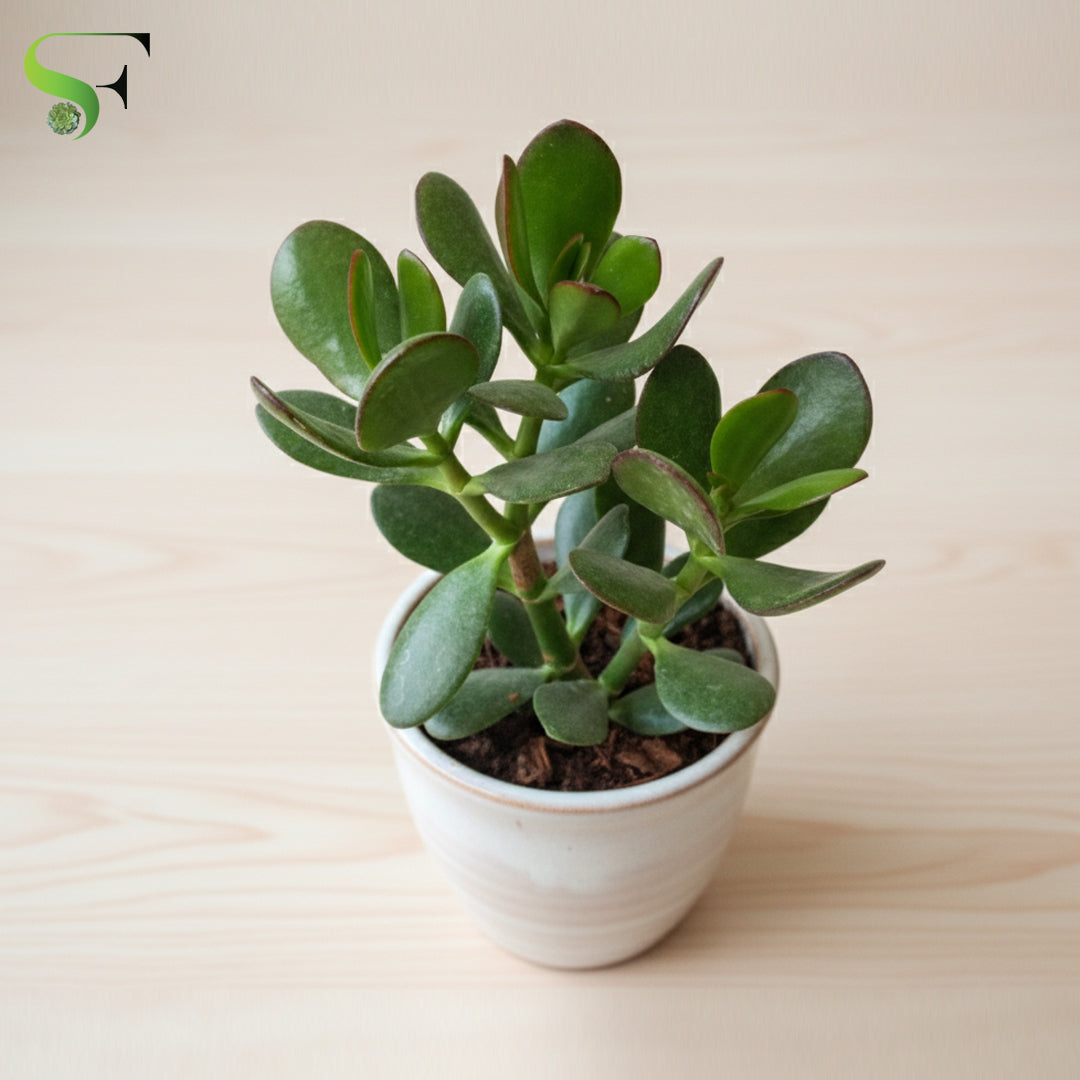
Crassula ovata, universally known as the Jade Plant, Money Plant, or Friendship Tree, is one of the most popular and recognizable succulents in the world. Native to South Africa and Mozambique, this plant is celebrated for its tree-like appearance, thick woody stems, and fleshy, oval-shaped leaves. Its longevity and resilience make it a cherished houseplant, often passed down through generations.
Detailed Description
The Jade Plant is a succulent shrub that, with proper care and time, can grow into a small, tree-like form with a thick trunk and a branching canopy. It can reach heights of 3 to 6 feet in a container, and much larger in its native habitat. The stems are thick and woody, turning brown with age, while the young branches are a soft green.
The leaves are its most prominent feature: they are thick, glossy, and a vibrant jade-green color. They are typically oval-shaped and can develop a reddish tint on their edges when exposed to bright sunlight or cooler temperatures, adding to their visual appeal.
Mature Jade Plants, especially when grown outdoors, can produce clusters of small, star-shaped, white or pale pink flowers in the fall and winter. These blooms are a lovely sight and can fill the air with a sweet fragrance.
Growing Tips
The Jade Plant is a fantastic low-maintenance plant, but a few key tips will ensure it thrives and grows into a beautiful specimen.
-
Sunlight: The Jade Plant loves bright light. For the best growth and color, provide at least 4-6 hours of direct sunlight per day. A south or west-facing window is ideal. While it can tolerate lower light, it may become leggy and the leaves will be less vibrant.
-
Fertilizing: Feed the plant sparingly. During its active growing season (spring and summer), you can apply a balanced, diluted liquid fertilizer once every two months. Avoid fertilizing in the fall and winter when the plant is dormant.
-
Pruning: Pruning is beneficial to maintain a compact, tree-like shape and to encourage a bushier appearance. You can prune off leggy stems and leaves at any time of the year. The cuttings can be used for propagation.
Temperature and Hardiness
The Jade Plant prefers warm, dry conditions and is not frost-tolerant.
-
Temperature: It thrives in average room temperatures between 65°F and 75°F (18°C to 24°C).
-
Hardiness Zones: It is hardy in USDA zones 10-11. In colder climates, it is best grown as a houseplant and moved outdoors during the warm summer months.
Water Requirements
Overwatering is the most common cause of problems with Jade Plants. They are highly drought-tolerant and store water in their leaves and stems.
-
Watering Frequency: Use the "soak and dry" method. Allow the soil to dry out completely before watering again. The leaves may feel soft or slightly wrinkled when the plant is thirsty. Water thoroughly and deeply, allowing all excess water to drain from the bottom of the pot.
-
Seasonal Changes: Reduce watering significantly in the cooler, dormant months of fall and winter.
Soil Preparation
Well-draining soil is essential to prevent root rot.
-
Ideal Mix: A commercial succulent or cactus potting mix is a perfect choice.
-
DIY Mix: You can create your own gritty mix by combining regular potting soil with inorganic amendments like perlite, coarse sand, or pumice. A mix with at least 50% inorganic material is recommended for optimal drainage.
-
Potting: Always use a pot with a drainage hole. Terracotta or clay pots are an excellent choice as their porous nature helps to wick away excess moisture.
Propagation
Propagating the Jade Plant is incredibly easy and has a very high success rate.
-
Stem Cuttings: This is the fastest and most common method.
-
Using a clean, sharp knife or clippers, take a stem cutting that has at least two leaf nodes.
-
Allow the cutting to "callous over" or dry out for a few days to a week. This prevents rot.
-
Plant the cutting in a pot with well-draining succulent soil.
-
Water sparingly until roots have formed.
-
-
Leaf Cuttings: You can also grow a new plant from a single leaf.
-
Gently twist a healthy, plump leaf from the stem.
-
Allow the leaf to callous for a few days.
-
Lay the leaf on top of well-draining soil. Roots and a tiny new plant will eventually emerge from the base of the leaf. Be patient, as this can take several weeks or months.
-
#CrassulaOvata #JadePlant #Succulent #MoneyPlant #DroughtTolerant #Houseplant #GardeningTips #PlantPropagation #ContainerGarden #EasyToGrow
Shipping Notes
- Free Standard Shipping on $100+ Orders to the USA.
- Except Preorder products are shipped in 48 hours.
- Delivery to the USA:
- Standard Shipping : 3-10 business days
- If time is of the essence, please consider selecting expedited delivery for faster service.
Exchange/Return Notes
- We offer a 30-day return/exchange service after receiving.
- Final sale items are not eligible for returns or exchanges.
- To process your return/exchange, please contact us at [email protected]
- Please click here for more details>>> Return & Exchange Policy