SKU: 87218717712
sansevieria genus

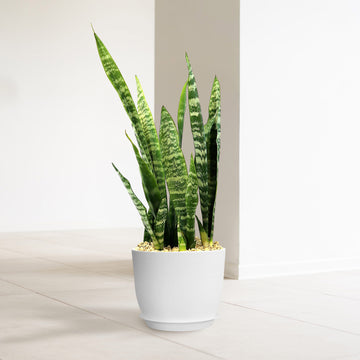
sansevieria genus Zeylanica Snake Plant 'Sansevieria zeylanica' 1 Gal. / Teal / With Pot

Sale price$26.91 Regular price$29.90
Save 10%

Pay in installments of $7.47 with ShopPay, AfterPay and Klarna

Shipping Estimate
USA
  • USA
  • CAN

Ships within 48 hours · Estimated delivery Jul 29 - Aug 3

Promo Codes Available:

For Your Every Summer RSVP, with Code: SUMMER15

Description

sansevieria genus Zeylanica Snake Plant 'Sansevieria zeylanica' 1 Gal. / Teal / With PotIntroducing the Zeylanica Snake Plant, known as 'Sansevieria zeylanica,' a low maintenance snake plant belonging to the Sansevieria genus. The Sansevieria zeylanica has several other common names, such as Ceylon Bowstring Hemp, Vipers Bowstring Hemp, Snake Plant, Mother in Law's Tongue, or Snake Plant, and is very similar to the Sansevieria trifasciata. For its modern look and easy care, the Sansevieria zeylanica snake plant is very popular among

Introducing the Zeylanica Snake Plant, known as 'Sansevieria zeylanica,' a low-maintenance snake plant belonging to the Sansevieria genus. The Sansevieria zeylanica has several other common names, such as Ceylon Bowstring Hemp, Vipers Bowstring Hemp, Snake Plant, Mother-in-Law's Tongue, or Snake Plant, and is very similar to the Sansevieria trifasciata. 


For its modern look and easy care, the Sansevieria zeylanica snake plant is very popular among gardeners.

The Sansevieria zeylanica has long, sword-shaped leaves that grow upright and can grow up to 3–4 feet tall and 2 feet wide.

The leaves are a vibrant shade of green, with light gray-green horizontal stripes running along their length.

This unique pattern adds visual interest and makes it a standout addition to any indoor space.

The flowers of the Sansevieria zeylanica snake plant have tall spikes with small, tubular flowers, typically greenish white, pale green, or cream, that bloom from spring to summer. However, it's worth noting that indoor-grown Sansevieria zeylanica plants rarely flower. These snake plants are more popular for their striking foliage than for their blooms. 

Native to tropical West Africa, the Sansevieria zeylanica plant thrives in bright light to partial shade, making it ideal for indoor spaces. It releases oxygen at night, purifying the indoor air by removing harmful chemicals like formaldehyde and xylene and providing a fresh burst of oxygen while you sleep, making it an excellent addition to your bedroom.

When and How to Water Your Sansevieria zeylanica 

Sansevieria zeylanica is a drought-tolerant succulent that stores moisture in its thick, upright leaves. This adaptation allows it to thrive in dry indoor conditions and makes it very forgiving if you forget to water occasionally. Always let the soil dry out completely between waterings; keeping the roots too wet can lead to rot. This snake plant prefers watering once every 10-14 days in spring and summer, and once a month in the dormant season. 

In the spring and summer, during its active growing season, your Zeylanica will use more water and benefit from deeper but infrequent watering once every 10-14 days. Be sure to adjust your schedule based on the temperature, light, and container size, especially if the plant is receiving bright indirect sun.

In the cooler months or winter, growth slows down and the plant enters a semi-dormant state. At this stage, reduce watering significantly; sometimes as little as once a month is sufficient. Overwatering in winter is one of the most common causes of decline in snake plants, so err on the dry side.

Watch for signs of dehydration in your Sansevieria zeylanica succulent, such as a pale discoloration and the leaves starting to shrivel. This indicates that it's consuming the water stored in its interior. 

Light Requirements - Where to Place Your Zeylanica Snake Plant

When growing indoors, Sansevieria zeylanica can thrive in moderate-to-bright indirect light for at least 6-8 hours a day, such as near a window with filtered sunlight. However, it can also tolerate lower light conditions, like those found in offices or rooms with less natural light.

Just keep in mind that if you place it in a low-light area, your Sansevieria zeylanica may grow more slowly and have less vibrant foliage.

If growing outdoors in warm, frost-free climates, Zeylanica does best in partial shade or dappled sunlight for 4–6 hours of filtered sunlight daily under a pergola or tree canopy. Avoid placing it in direct midday sun, especially in hot zones, as this can scorch or bleach the foliage. 

Remember, it's always a good idea to observe your Sansevieria plant and adjust its lighting conditions accordingly. If you notice the leaves turning yellow or pale, it may be an indication that they're receiving too much direct sunlight. If the leaves become dark green and start to stretch towards the light, it may be a sign that they need more indirect light.

Optimal Soil & Fertilizer Needs 

The Sansevieria zeylanica favors very airy, sandy soil that drains well, and should be fertilized once a year in spring. Planting them in ordinary potting soil will result in compacted roots, stunted growth, and, most likely, root rot. To prevent overwatering, use a terracotta pot with a drainage hole. Instead, make or buy a well-draining succulent potting mix, or ideally, use our specialized potting mix that contains organic mycorrhizae to promote the development of a strong root system that helps your succulent thrive.

When it comes to fertilizing these house plants, organic fertilizers with an equal ratio of 5-10-5 (NPK) also last longer and keep your soil alive by adding other beneficial compounds and microbes that encourage plant health and nutrient absorption. So, skip those harsh chemicals (too much fertilizer) and give your tropical plants some love with some awesome organic fertilizer! 

Hardiness Zones & More

In the United States, this snake plant is mostly an indoor plant, but if you live in southern Florida or Hawaii, then you can cultivate it outdoors in USDA zones 9-11.

If you live in a colder climate outside of these hardiness zones, it's best to keep your Sansevieria zeylanica indoors or treat it as a container plant that you can move indoors during the colder months. 

Remember, this snake plant prefers warmth, so if you do decide to bring it outdoors during the summer months, make sure to place it in a shaded area to protect it from intense sunlight and provide adequate humidity.

The Sansevieria zeylanica is a relatively low-maintenance plant and can tolerate average indoor humidity levels, which are typically around 40–60%. However, it can also adapt to lower humidity levels without any major issues. So, you don't need to worry too much about providing specific humidity conditions for this snake plant.

How to Best Grow Sansevieria zeylanica Indoors

When growing indoors, your Sansevieria zeylanica can thrive in temperatures between 60°F and 85°F. However, it can tolerate slightly cooler temperatures down to 50°F and warmer temperatures up to 90°F. Just be mindful that extreme temperature fluctuations or prolonged exposure to very low or high temperatures can stress the Sansevieria plant.

Wildlife - Sansevieria zeylanica Attracts the Following Friendly Pollinators

The Zeylanica Snake Plant is known to attract bees, butterflies, and hummingbirds with its vibrant flowers and sweet nectar. These pollinators play a crucial role in the plant's reproduction and overall ecosystem health.

Butterflies
Bees
Hummingbirds
Lady Bugs
Multi Pollinators
Other Birds

According to the ASPCA, Sansevieria zeylanica is mildly toxic to both cats and dogs. They contain saponins, which can cause gastrointestinal upset if ingested in large amounts. However, it is safe to touch and handle, making it a popular choice for pet owners looking for a low-maintenance houseplant option.

How to Propagate Your Sansevieria zeylanica Snake Plant

The Sansevieria zeylanica snake plants can be propagated through division or leaf cuttings. To propagate through division, carefully separate the plant into smaller sections with roots attached and replant them in new pots with well-draining soil. For leaf cuttings, simply cut a healthy leaf into smaller sections and plant them in soil to encourage new growth.

Key Takeaways

  1. Sansevieria zeylanica is highly drought-tolerant, storing water in its thick, upright leaves and requiring minimal watering to stay healthy.
  2. This plant can thrive in low-light conditions, making it an excellent choice for offices, bedrooms, and other indoor spaces with limited sunlight.
  3. Sansevieria zeylanica helps improve indoor air quality by filtering out toxins like formaldehyde, benzene, and xylene.
  4. The plant is known for its toughness and resilience, tolerating neglect, temperature fluctuations, and most common houseplant pests.
  5. Its bold, sword-like foliage features silver-green, wavy patterns, adding a modern, sculptural element to home or office decor.

The Bottom Line

Overall, Sansevieria zeylanica is a fantastic snake plant for both indoor and outdoor gardening. With its sword-shaped leaves and low-maintenance nature, it can tolerate lower humidity levels and is suitable for USDA hardiness zones 9–11. Its striking appearance, air-purifying qualities, and resilience make it a popular choice. Whether you're a beginner or an experienced plant enthusiast, the zeylanica snake plant is a great addition to any collection. So, if you're looking for a beautiful and easy-to-care-for plant, give Sansevieria zeylanica a try!

Related Products

You may also like the other popular snake plant varieties, including the moonshine snake plant, the mother-in-laws snake plant, the Cylindrical snake plant, and the snake plant laurentii.
Shipping Notes
  • Free Standard Shipping on $100+ Orders to the USA.
  • Except Preorder products are shipped in 48 hours.
  • Delivery to the USA:
  1. Standard Shipping : 3-10 business days
  • If time is of the essence, please consider selecting expedited delivery for faster service.
Exchange/Return Notes
  • We offer a 30-day return/exchange service after receiving.
  • Final sale items are not eligible for returns or exchanges.
  • To process your return/exchange, please contact us at [email protected]
  • Please click here for more details>>> Return & Exchange Policy
SKU: 87218717712

Discover Niche Categories That Outsell sansevieria genus

Top-Converting Item to Boost Your Average Order

4.2 ★★★★★
Based on 10 reviews
Sort
Highest Rating
Newest First
Oldest First
Product Reviews
J
Verified Purchase
Jerry Saperstein
Cuba, US
★★★★★ 5
A valuable book for non-lawyers and lawyers
Why would non-lawyers want to read a book on persuading judges? For several reasons actually. First, many of us are involved in work that requires persuading others to adopt our views. While legal argument is substantially more formal and rule-driven than what most of us do, learning how to construct a logical argument as if it were to be delivered to the court, that Is governed by deadlines, restrictions on length, the need to adhere to established fact (or to establish those facts) and to be neither groveling nor inflammatory can be applied to selling your widgets. Perhaps more important is the fact that most people don't understand the impact of the court's decisions on our daily lives, our pocketbooks and our freedoms. Nine people sit on the Supreme Court. They cannot be removed except for the most grievous crimes and then only if Congress were to agree. More than one Justice has demonstrated that you can be senile and sit on the nation's highest court. Going down the food chain, the same applies to the federal appellate and trial courts. It is unlikely that one person in a hundred can even name a local federal district court judge and probably not one in a thousand could name the nine Supreme Court justices. Yet these men and women have tremendous impact on our lives, as do the thousands of state court justices. I am not a lawyer, but I consult to them and am not a stranger to the courtroom, writing drafts for legal briefs, doing legal research and the like. I have seen a lot of judges in action and have learned, in general, to fear them. They can - and do - cause tremendous harm through ill-considered decisions, making decisions with insufficient facts, assuming they know more than they do and myriad other reasons. They are gods in their courtrooms and if your lawyer fails to persuade them of the justness of your cause, you lose. Just how do these people reach their decisions? While justice is supposed to be blind (fat chance!), the justices are human and thus persuadable. Bryan Garner is a noted writer on legal writing. He is actually quite witty as he explains the use of the English language to lawyers who have had their understanding of words driven out of them in law school. Antonin Scalia is a hero to many for the courageousness of his decisions and dissents, his belief that the Constitution is to be strictly interpreted and his generally brilliant writing style. In 115, frequently witty, short chapters the two authors (who occasionally openly disagree) lay down their thoughts on how judges can be persuaded. It is not all about legal writing; e.g, advice to not chew your fingernails and dressing appropriately for court. They advise on giving your oral argument, which a lot of sales and marketing people would do well to read, especially the guidance to "never speak over a judge". In a sales situation, I am surprised at how often the sales person displays his or her contempt for me by not only not listening to me, but presuming they understand the point I was going to make before they spoke over me. I don't know about you, but a lot of salespeople have lost business with me for doing that. Some of the points the authors make are points of contention themselves: i.e., "swear off substantive footnotes - or not". None of the material in this book is truly new. Law students get elements of it in their first year as do some college students. A lot can be found in books on to be a better salesperson: i.e., don't chew your fingernails, etc. And a lot of it is plain commonsense. But that doesn't mean this book is unhelpful. First, it reveals in tiny part how Scalia evaluates the briefs he reads and arguments he hears, which in itself is a fascinating peek. The authors also put things many people may have forgotten through lack of use into perspective. Finally, they remind lawyers and non-lawyers alike that you often have only one shot at winning your argument so you had best put your best foot forward. Scalia and Garner show you how to do it. Overall, this is a fun, informative and helpful read. Jerry
WAS THIS REVIEW HELPFUL?YesReportShare
Reviewed in the United States on February 8, 2010
R
Verified Purchase
Rod Sullivan
Port Orchard, US
★★★★★ 5
Like Having an Expert Looking over Your Shoulder
I am a law professor who spent 25 years as a Plaintiff's lawyer before deciding to teach. I've been before the U.S. Circuit Courts of Appeal many times and state appellate courts a few times. One caveat to consider: I expect to be arguing before the United States Supreme Court in the future. I hesitate to be too ebullient, lest you think that I'm trying to curry favor. However, I think that this book is great. Why do I recommend it? First, it is short. This book will accomplish much of what other books try to teach about advocacy, but in many fewer pages. Secondly, it is practical. It teaches writing skills, speaking skills, and how to be persuasive with limited time. Finally, it is not just for lawyers. Anyone trying to be persuasive can apply the same skills to other situations. For those of you who are politically opposed to Justice Scalia (which, believe it or not, includes some law professors)this is a joint effort by Garner and Scalia, and they frequently disagree. Hearing both sides of the argument on how to write or speak persuasively will help you decide how you want to present your arguments. How do my political opinions and Justice Scalia's opinions mesh? Can I be fair? I think so. He's a Federalist, I consider myself an Anti-Federalist. He as supporter of administrative delegation, I think delegation of congressional responsibilities to administrative agencies is congressional abdication. In short, I'm not recommending this book because Justice Scalia and I agree on policy, because on many policy matters we don't. I'm recommending it because I think it will help you. You wont be disappointed with the book.
WAS THIS REVIEW HELPFUL?YesReportShare
Reviewed in the United States on January 29, 2009
X
Verified Purchase
xiwaeo
Cuba, US
★★★★★ 5
Great Read
Great book, I enjoyed reading it. I am non-lawyer so I spent time having to read and re-read sentences and paragraphs but darn good book. Highly recommend it. Sometimes a person can be in discussion with an official, doctor, lawyer, cop ..whatever--it helps to remember arguments made in this book. Most folks just try to explain a situation, heaven forbid standing in front of a court or judge in a legal matter. But, this type of reading builds confidence, a strong vocabulary and so forth. It matters most trying to persuade a person or an institution..just winning, making your point in a clear coherent and cognizant way. This book can teach you these things.
WAS THIS REVIEW HELPFUL?YesReportShare
Reviewed in the United States on June 20, 2025
J
Verified Purchase
Jeff Wade
Grantham, US
★★★★★ 4
You don't have to like Justice Scalia to like his book.
Perhaps an appellate brief that you wrote would have been perfect if only the judge had read it. The lesson you learned, hopefully, was that there is no guarantee that a judge will read your brief. The lesson you can learn from "Making Your Case" is how to write so that the judges will read what you wrote - preferably before your oral argument. Writing in a quite candid, lucid and entertaining style, Scalia and Garner serve up tips that even the most experienced lawyers can learn from. If you find yourself approaching the court's word limit, for example, you may be minimizing the chances of having your brief read, as judges really do favor brevity. How do you write for a court that is notoriously dismissive of higher court precedents? How do you best respond to a judge who asks whether you would be content with a remand? These and other critical questions are addressed simply yet insightfully. If your legal education stressed the IRAC approach (Issue, Rule, Application, Conclusion), Scalia and Garner take you a step further by stressing a syllogistic approach. Even if you have already been exposed to all the best ideas about persuading appellate judges, you are still likely to gain much rom reading "Making Your Case" because the authors organize all those ideas in a way that makes them much easier to remember and keep them in mind as you prepare your written and oral arguments. Justice Scalia calls his approach to legal reasoning and argument "textualism," which I understand to mean that his decisions are driven by the language of the law and of the case. My impression from reading many of his decisions is that he is often driven by ideology, so I can't quite square his book with his decisions. I also question the book's fundamental statement that the overriding objective of a brief is to make the court's job easier, as I prefer to write primarily for the purpose of winning the case. My criticisms of "Making Your Case" are miniscule compared to those thrown at it by Richard Posner. But although I find Judge Posner's decisions generally more fair than those of Justice Scalia, I prefer the clarity of Justice Scalia's writing - especially when he teams up with Bryan Garmer. Judge Posner notwithstanding, Scalia and Garner have put together a gem that is likely to prove invaluable for law students as well as for trial and appellate lawyers who are still interested in improving their game. If you fall into either category, buy this book, read it two or three times, and then keep it handy as a reference. It should help you make your case.
WAS THIS REVIEW HELPFUL?YesReportShare
Reviewed in the United States on December 18, 2012
F
Verified Purchase
Fig&Friday
Belleville, US
★★★★★ 5
A Great Read... (for those in the legal field)
A great gift for those in the legal field. We ordered several for gifts throughout the year.. Made a great little gift basket with a bottle of whiskey :)
WAS THIS REVIEW HELPFUL?YesReportShare
Reviewed in the United States on January 20, 2026

recommand products