SKU: 89368525555
lavender patio tree for sale

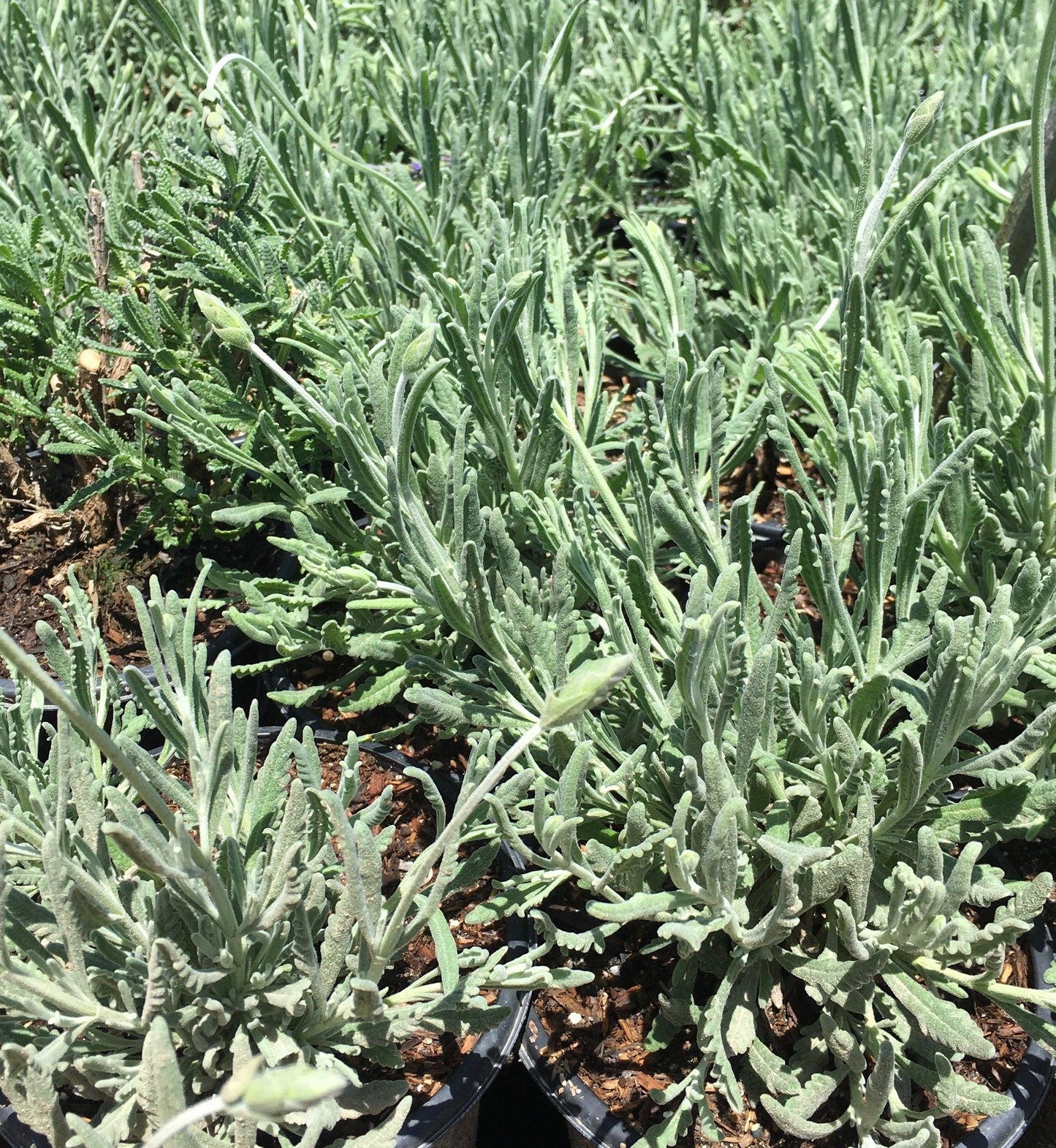
lavender patio tree for sale French Lavender (Lavandula Dentata)

Sale price$26.14 Regular price$29.04
Save 10%

Pay in installments of $7.26 with ShopPay, AfterPay and Klarna

Shipping Estimate
USA
  • USA
  • CAN

Ships within 48 hours · Estimated delivery Sep 10 - Sep 15

Promo Codes Available:

For Your Every Summer RSVP, with Code: SUMMER15

Description

lavender patio tree for sale French Lavender (Lavandula Dentata)Mediterranean Beauty That Blooms from Spring Through Fall French lavender gives your garden months of fragrant purple blooms, often flowering from May through September and continuing into late fall or even year round in warmer climates. Known scientifically as Lavandula dentata, this evergreen perennial shrub is native to the Mediterranean and prized for long lasting blooms, scalloped gray green leaves, and a robust herbal scent. Where many lavender

Mediterranean Beauty That Blooms from Spring Through Fall

French lavender gives your garden months of fragrant purple blooms, often flowering from May through September and continuing into late fall or even year round in warmer climates.

Known scientifically as Lavandula dentata, this evergreen perennial shrub is native to the Mediterranean and prized for long-lasting blooms, scalloped gray green leaves, and a robust herbal scent. Where many lavender plants flower briefly in early summer, French lavender blooms through much of the growing season, helping fill borders, containers, and dry garden spaces with color, texture, and pollinator activity.

Why You’ll Love It

  • Extended Blooming Season – French lavender commonly blooms from May through September, with French lavender blooms continuing from early spring through autumn in warm climates and sometimes year round in frost-free areas.

  • Drought Tolerant – This drought tolerant french lavender plant thrives in dry California conditions and established plants typically need water only every few weeks unless extreme heat and drought persist.

  • Pest Resistant – Aromatic oils in the foliage help repel mosquitoes and other common garden pests, while the lavender flowers still attract bees, butterflies, and other pollinators.

  • Larger Size – French lavender reaches a height of 2 to 3 feet and a width of up to 4 feet, with a typical landscape size around 30 inches tall and 40 inches wide for strong garden presence.

  • Easy Care – French lavender thrives in dry, well-draining, alkaline soil and actually prefers poor soil conditions, since nutrient-rich, fertile soils can reduce blooming success.

French lavender is excellent for ornamental landscaping because of its dense growth, long bloom period, and airy short spikes of lighter pink-purple flowers. The flower petals and purple flowers bring a softer look than many darker english lavender varieties, while the scalloped foliage keeps the plant attractive even between new blooms.

What Makes It Different

Most lavender varieties have a shorter bloom window, especially English lavender. French lavender provides gardeners with purple blooms, fragrance, and structure for months instead of weeks.

  • Longer Blooming Period – French lavender blooms from May through late fall in warmer climates, while English lavender typically blooms for about four weeks starting in mid-June. That makes French lavender a more prolific bloomer during the growing season.

  • Heat Tolerance – French lavender prefers warm climates and full sun, making it a strong choice for California yards, Mediterranean gardens, xeriscaping, and dry outdoor borders where other plants may wilt, especially when paired with other drought-tolerant flowering plants like purple bougainvillea.

  • Unique Scalloped LeavesLavandula dentata is prized for uniquely toothed, gray-green foliage. French lavender flowers are usually lighter pink-purple, while English lavender (Lavandula angustifolia) typically has darker purple flowers and a stronger, sweeter fragrance.

French lavender is often compared to English lavender (Lavandula angustifolia), which is more cold-hardy and primarily used in culinary dishes. English lavender is more cold-hardy, thriving in USDA zones 5-8, while French lavender prefers warmer climates, typically found in USDA zones 7-9, and has a shorter lifespan of about five years compared to English lavender’s potential 15 years.

Its scent is also different. French lavender has a robust, herbal, and slightly camphoraceous aroma. The scent of French lavender is intense and camphoraceous, making it popular for soaps and cleaning products, while essential oils derived from French lavender are valued for their stress-reducing properties and promoting restful sleep. It can also be used in culinary applications such as herbal teas, savory rubs, and infused sugars.

How To Grow French Lavender Successfully

  1. Plant in Full Sun Choose a full sun location with 6+ hours of direct sun daily. Plant in well drained soil with sand or sandy loam if possible, and avoid low ground where water collects.

  2. Water Sparingly Once established, French lavender is extremely drought-tolerant. Water sparingly, allow soil to dry between waterings, and avoid keeping the soil moist for long periods, since poor drainage can cause root rot.

  3. Prune for Shape and New Blooms Pruning French lavender is essential for maintaining its shape. Prune in the fall in mild winter regions, or at the end of winter into early spring after the last frost in colder areas. To encourage more blooms, deadhead spent flowers and occasionally prune French lavender throughout the blooming season.

Good drainage, light watering, and regular deadheading are the key habits that help this lovely plant thrive outdoors in a pot, containers, borders, or a dry Mediterranean yard.

Product Details

  • Botanical Name: Lavandula dentata

  • Common Name: French lavender

  • Plant Type: Evergreen perennial shrub

  • Native Range: Mediterranean

  • Mature Size: 30 inches tall and 40 inches wide on average; reaches 2 to 3 feet tall and up to 4 feet wide

  • Hardiness Zones: USDA Zones 7-9

  • Bloom Time: May through September; May through late fall in warmer climates; potential for year-round blooming in frost-free warm climates

  • Flower Color: Lighter pink-purple flowers with fragrant lavender flowers on short spikes

  • Foliage: Toothed, scalloped, gray green leaves on woody stems

  • Soil Requirements: Dry, well-draining, alkaline soil; prefers poor soil and does not grow well in nutrient-rich, fertile soils

  • Sun Requirements: Full sun, 6+ hours daily

  • Water Needs: Low once established; water only every few weeks in normal dry conditions, with extra water during extreme heat and drought

  • Fragrance: Robust, herbal, intense, and slightly camphoraceous rather than sweet

  • Pollinator Value: Attracts bees, butterflies, and other pollinators

  • Related Species: English lavender (Lavandula angustifolia), Spanish lavender (Lavandula stoechas), and other lavenders

  • Notable Comparison: Hidcote lavender is an English lavender variety known for deep purple blooms and sweet scent, while French lavender offers longer bloom time and better heat preference

  • Recognition Note: Select Lavandula dentata cultivars have received attention from the Royal Horticultural Society for ornamental garden value

Who It’s For

Ideal for:

  • California homeowners seeking low-maintenance, drought-tolerant landscaping with complementary flowering trees for added curb appeal

  • Gardeners in warm climates wanting extended seasonal color from spring through fall

  • Landscape designers creating Mediterranean-style gardens, dry borders, privacy hedges with English laurel, and pollinator-friendly outdoor spaces

  • Anyone wanting natural pest control with beautiful, fragrant purple blooms

  • Gardeners who prefer lavender plants that thrive in poor soil, full sun, and containers, and who may also want complementary flowering perennials like Lavender Mexican heather

If you want a fragrant french lavender plant that can fill a yard with flowers for months, handle summer heat, support pollinators, and reduce water use, French lavender fits your garden.

Frequently Asked Questions

Is French lavender easy to grow?
Yes. French lavender thrives in poor soil with minimal care as long as it has full sun, well drained soil, and good drainage. Avoid overwatering, because constantly wet soil can lead to root rot.

How long does it bloom?
French lavender blooms continuously from early spring through autumn in warm climates. It commonly blooms from May through September, and in warmer climates French lavender blooms may continue into late fall or even year round.

Can it survive California’s dry summers?
Absolutely. French lavender is extremely drought-tolerant once established. In most dry summer conditions, established plants need water only every few weeks, though extreme heat and drought may require occasional deep watering.

Will it survive winter in Northern California?
French lavender is hardy in USDA zone 7-9 conditions, but frost protection may be needed in colder inland or higher-elevation areas. In colder regions, grow it in a sheltered spot or containers that can be protected during winter.

How is it different from English lavender?
French lavender (Lavandula dentata) has scalloped leaves, lighter pink-purple flowers, and a camphoraceous scent. English lavender (Lavandula angustifolia) is more cold-hardy, usually grows in USDA zones 5-8, often has darker purple flowers, and is known for a stronger, sweeter fragrance.

Ready to Transform Your Garden?

Choose French Lavender and enjoy months of fragrant purple blooms, drought tolerant performance, natural pest resistance, and Mediterranean beauty in your garden.

Yardwork can help you select the right plants for your California yard, plan larger lavender orders, and coordinate delivery for landscaping projects, whether you’re shopping through a local plant nursery near you or building out structure with evergreen shrubs like English laurel.

Shipping Notes
  • Free Standard Shipping on $100+ Orders to the USA.
  • Except Preorder products are shipped in 48 hours.
  • Delivery to the USA:
  1. Standard Shipping : 3-10 business days
  • If time is of the essence, please consider selecting expedited delivery for faster service.
Exchange/Return Notes
  • We offer a 30-day return/exchange service after receiving.
  • Final sale items are not eligible for returns or exchanges.
  • To process your return/exchange, please contact us at [email protected]
  • Please click here for more details>>> Return & Exchange Policy
SKU: 89368525555

Discover Niche Categories That Outsell lavender patio tree for sale

Top-Converting Item to Boost Your Average Order

4.4 ★★★★★
Based on 8 reviews
Sort
Highest Rating
Newest First
Oldest First
Product Reviews
T
Verified Purchase
Trevor & Tiffany G
Natrona Heights, US
★★★★★ 5
Franklin X-40 vs. Dura Fast 40 (vs. Onix)
Size: 12 Pack, Color: Optic Yellow, Size: 12 Pack, Color: Optic Yellow
Review order: Review summary (quick read) Review update (4-13-2021) Full review (long read) Summary: This review might save you a lot of time researching balls, but here's the summary if you don't want to read the full review... For 4.0+ play consider the Dura Fast 40 when preparing for certain tournaments, but expect only about 2 games per ball, which is quite annoying in my opinion... for 95% of players, definitely go with the Franklin X-40 (except when preparing for a Dura only tournament of course). If you just want the ball to last and last year after year and don't care at all about egging or quality of play consider the much softer and much slower and much bouncier Onix ball. The Onix ball is so soft that I can't recommend it for typical play, but it is actually an excellent choice when introducing new players to the game and it is often the preferred ball in 65+ play if mobility becomes a common issue because extra bounce = extra time to get there, but in my area many older players seem to play the X-40 just fine. * * * * * * * * * * * * * * * * * * * * * * * * Update: 4-13-2021: Popularity: Almost everyone in my area is playing the Franklin X-40 in every park. I finally saw a Dura in play yesterday, but it's been a long time! Outdoor tournaments in my state are now about 60% X-40 and about 40% Dura (Washington), so even in tournament play the Dura seems to be going out pretty quick. Seasonal durability of X-40: for the first year I don't think my group cracked a single X-40 (despite having a faster paced game), but using that same batch of balls this Spring, they've all been dropping like flies so now my 1 year old batch of X-40's probably isn't much more durable than brand new Dura's (very annoying to deal with those cracks). I just bought new X-40's yesterday and I'll be discarding the few X-40's that are left from last year when the new stock arrives. It will be new X-40's for me once a year from now on assuming quality doesn't slide... fresh manufacturing is apparently very important, so hopefully Franklin will keep their runs moderate, and maybe that's what Dura did wrong.(?) * * * * * * * * * * * * * * * * * * * * * * * * Full review: This review will focus largely on the physical & quality comparisons between the Franklin Outdoor X-40 pickleball and the Dura Fast 40 pickleball, but I'll also give a summary of my impressions from the mouth of experts and supplement also by my own amateur impressions and measurements. Dura hole specs: 16 drilled holes @ 0.325" & 24 drilled holes @ .264" Franklin hole specs: 40 drilled holes @ 0.288" Both balls have 40 holes with an average hole size of 0.288", but the Dura ball has a far more randomized hole pattern. I personally didn't notice any difference in spin characteristics or any notable advantage to the randomized hole pattern of the Dura. Franklin weight: 26g Dura weight: 25g Both balls are rotationally molded in one continuous piece so the seam is just as strong as the rest of the ball on either ball... the appearance of a seam is on the outside of the ball only but the visual molding mark is not actually separated in any way in the middle of the ball and the inside of the ball will likewise appear 100% seamless on either ball, so no true seam exists (both balls are true "1-piece" balls). The Dura ball has much smoother molding marks w/ no plastic flashing like the Franklin... this is primarily cosmetic but quality in this regard definitely goes to the Dura. Subjective color preference: in the shade I think the Dura "Neon" color looks better (see pic), but in typical full sun the green tint looks dingy on the Dura ball in my opinion, and I feel the Franklin "Optic Yellow" is a crisper color that's probably a little more visible. These are the only 2 ball colors I have to compare. I would prefer more dye to be used for a green ball so it still looks green in full sun because in my experience with disc golf and ball golf neon green is the most visible color and neon pink is good too... with these 2 options I'd pick the yellow... the green tint on the Dura is so subtle in full sun it ends up looking more like a dingy yellow rather than a green. A more apples to apples comparison would be Dura's yellow option but I'm pretty confident Franklin would win that contest also based on the notably higher translucency in the plastic used by Dura. Color: Franklin wins. Franklin X-40 country of origin: China Dura Fast 40 country of origin: Vietnam - - EXPERT INSPIRED IMPRESSIONS - - From what I've gathered, expect much longer play per dollar out of the Franklin and expect very little life out of the Dura. Dura's are supposed to be a little harder/better/faster, but they often only last a few games based on everything I've read and heard. For older players consider the Onix over either of these balls... softer balls bounce higher and hit slower which allows more time to get to the ball for longer rallies... the Onix seems to be the favorite for play in older aged groups. Based on expert advise from the "pickleball kitchen" youtube channel... Best performance award (fastest, hardest): Dura Fast 40 Best Value (also w/ great performance): Franklin Outdoor X-40 - - - except high level players should opt for the Dura due to tournament requirements (note: this observation may be outdated... check tournaments in your state to verify what local tournaments are still using the Dura in your area and which tournaments have switched to the X-40) Longest lasting, but soft and bouncy: Onix Note: I have not seen a single outdoor tournament publish the Onix as their ball. My personal recommendation for most players based on a lot of reviews and some research and a close look would be to skip the Dura and go straight to the Franklin X-40 until you're playing tournaments... if/when you advance to the level of playing serious tournament play I don't think it would take long to transition muscle memory and power from the Franklin outdoor ball to the Dura ball and a lot of money and annoyance can be saved w/ the Franklin over the very brittle Dura... Franklin X-40 balls don't last very long either (according to some... possibly old stock), but compared to the Dura it's a notable improvement strongly worth considering even if you're a quality buff like myself. Manufacturing quality: Dura wins Material durability: Franklin easily wins and Onix lasts much longer still if you don't mind a notably slower game (more similar to indoor) and more egging. Quality of play: Mixed... many elite players prefer the extra speed of the Dura, but I prefer the consistency of virtually everyone using the same ball and even more notably, I'd rather sacrifice just a little speed to get the higher consistency / predictability / reliability of an uncracked ball and I find it distracting to look for cracks all the time. Value (w/o sacrificing much): Franklin Despite the long read, I'm hoping this helps the reader save some time in selecting a pickleball, especially for players new to the game.
WAS THIS REVIEW HELPFUL?YesReportShare
Reviewed in the United States on August 15, 2020
L
Verified Purchase
Lux
Cuba, US
★★★★★ 5
Do not judge it by the color .. but by the quality of its build
Size: 12 Pack, Color: Ember
The most durable ball in South Texas heat. The bright color becomes matte after a few games, which I don’t mind. When I pull them out at local tournaments I get mixed reactions—to some not being yellow is like trying a new religion!. Most people do prefer the color that they’re used, I get that, but when I tell them it’s a fresh Franklin x40 most give em a go. Some even (sorry Trad pickleball gods) convert. When I see others bring their own I feel a level of affirmation on par with accidental cult leader getting their first members. So yeah, it’s a great performing ball in a color that pops, and a great value. I love this game
WAS THIS REVIEW HELPFUL?YesReportShare
Reviewed in the United States on May 2, 2026
M
Verified Purchase
Mickey
Cuba, US
★★★★★ 5
I’m enjoying the racket
Color: Black
It’s a good racket for a beginner!
WAS THIS REVIEW HELPFUL?YesReportShare
Reviewed in the United States on June 7, 2026
J
Verified Purchase
JAMES ROCUSKIE
Belleville, US
★★★★★ 5
Good value
Color: Black
Well made for the price and excellent choice for those just starting pickleball.
WAS THIS REVIEW HELPFUL?YesReportShare
Reviewed in the United States on May 22, 2026
C
Cheap Grampa
Natrona Heights, US
★★★★★ 4
Good second-level pickleball paddles for a great price
Color: Black, Color: Black
I've been playing pickleball for a while now, though not ever well. I have progressed from wooden paddles and just trying things out to bundles of basic fiberglass paddles and balls to higher-end paddles that individually cost more than the "multi-paddle plus balls" bundles. I have kids and kids-in-law and grandkids, and not everyone has their own paddles. Thus, I purchased this set to get a couple more paddles. This Amazon Basics set of 2 paddles, four balls, and a carrying case is a starter set, maybe one step up from the basic wooden paddles that I started with. The paddles are nice, light-weight but sturdy, with a decent surface that should allow some level of control. The grips are nice, and there is some additional grip tape you can use to retape a handle that wears out. The balls are standard balls, and should get you started. The case is similar to cases I've purchased before with other sets. Unfortunately, the makers skimped on the zipper. It only has one (another case from a similar set had two zippers), and after just a few uses, the zipper completely fell off (see photo). This makes the case completely useless, and definitely drops my rating. But, given the price, the quality of the paddles, and the four balls, this is still a great starter set, even without a cheap carrying case. I'm happy to have the extra balls and paddles.
WAS THIS REVIEW HELPFUL?YesReportShare
Reviewed in the United States on February 15, 2026

recommand products