Pay in installments of $5.47 with
 ,
,
 and
and

Shipping Estimate
USA
- USA
- CAN
- USA
- CAN
Ships within 48 hours · Estimated delivery Sep 12 - Sep 17
 Promo Codes Available:
For Your Every Summer RSVP, with Code: SUMMER15
Description
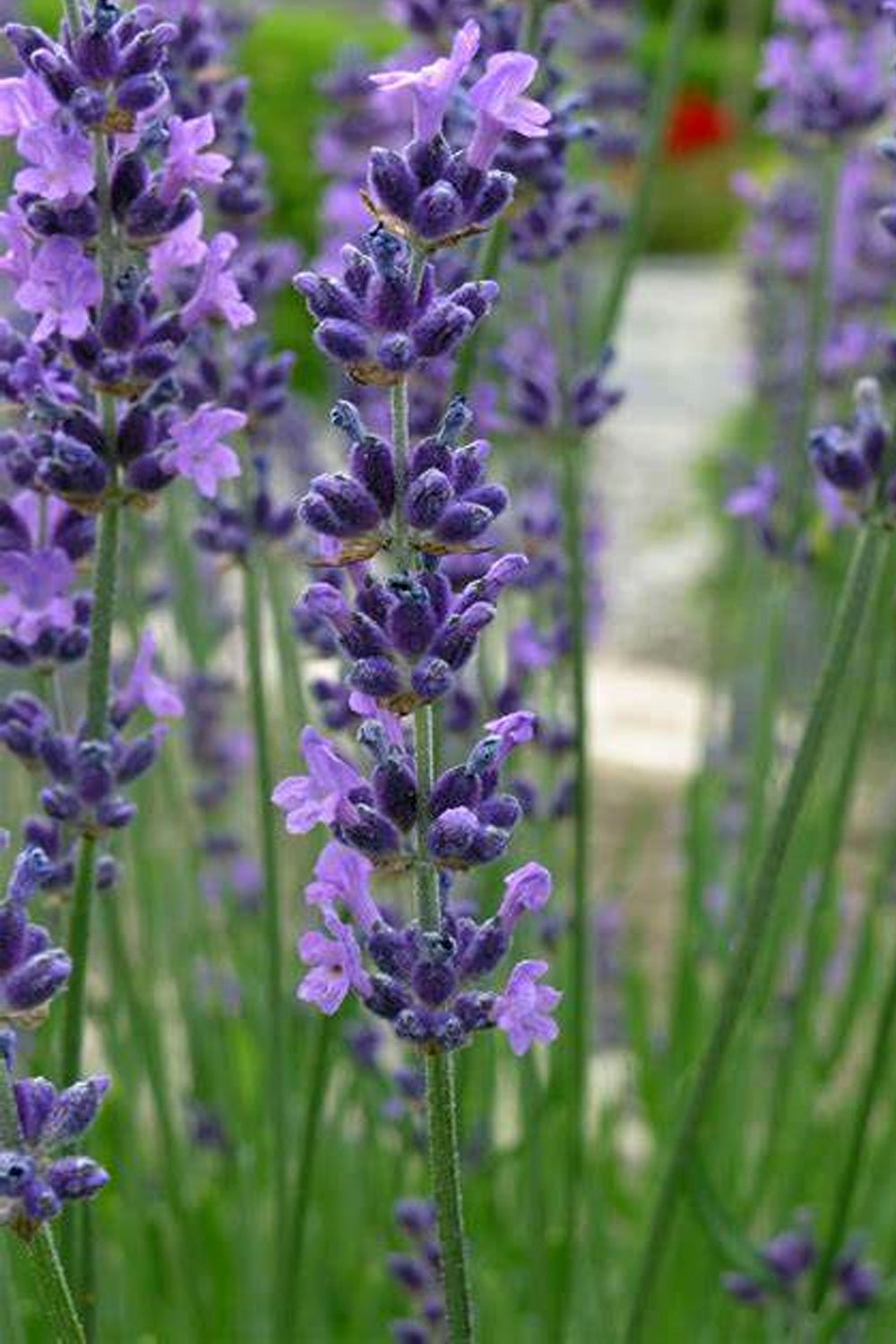
french blue lavender plant Ultra Blue Culinary Lavender Buds – Organic French LavenderUltra Blue Culinary Lavender Buds Organic French Lavender Lavandula angustifolia Gourmet Grade for Baking, Syrups & Cocktails Vibrant, fragrant, and deeply flavorfulthis premium French lavender is the lavender of choice for chefs, mixologists, and artisan kitchens. Herbal Overview For those who crave the best of the best, this Ultra Blue Culinary Lavender is the gold standard. Hand harvested in Provence, France, and organically grown, these buds are
Ultra Blue Culinary Lavender Buds – Organic French Lavender | Lavandula angustifolia | Gourmet Grade for Baking, Syrups & Cocktails
Vibrant, fragrant, and deeply flavorful—this premium French lavender is the lavender of choice for chefs, mixologists, and artisan kitchens.
Herbal Overview
For those who crave the best of the best, this Ultra Blue Culinary Lavender is the gold standard. Hand-harvested in Provence, France, and organically grown, these buds are triple-cleaned and professionally dried to maintain their deep indigo color and sweet, camphorous aroma.
With a bold scent and potent flavor, Lavandula angustifolia in its finest form brings a layer of elegance to everything from simple syrups and shortbread cookies to roasted vegetables and gourmet lamb dishes. Long-lasting and richly aromatic, these buds are meant for the kitchen—not the craft table.
This is the lavender you keep in a glass jar with pride, knowing it will lift anything you cook into something beautiful, floral, and unforgettable.
Herbal Profile
Botanical Name: Lavandula angustifolia
Plant Family: Lamiaceae
Status: Certified Organic
Origin: France (Provence)
Caffeine Content: Naturally Caffeine-Free
Herbal Actions: Aromatic, mildly calming, flavor-enhancing
Suggested Preparations:
– Infuse into simple syrups, honeys, or cream bases
– Use in shortbread, custards, frostings, and marshmallows
– Crush lightly over roasted meats or vegetables
– Add to floral cocktails or lemonades
Packaging Details
Each order is hand-packed in our Apothecary Counter Wrap, sealed in a food-safe inner pouch, then wrapped in kraft paper and fastened with a brass pin and twine.
This elegant and rustic wrap protects the vibrant buds and speaks to their timeless charm. For best results, store in a tightly sealed glass jar to preserve fragrance and potency.
Stillroom Notes
This is not the lavender we use in soaps, sachets, or crafting—it’s far too special. Ultra Blue is reserved for your kitchen and bar, where it shines brightest. Keep it dry, use it often, and you’ll find yourself reaching for it more than you’d ever expect.
Simple Recipe
Lavender Simple Syrup
– 1 cup water
– 1 cup granulated sugar
– 2 tbsp Ultra Blue Culinary Lavender
Bring sugar and water to a simmer, stirring until dissolved. Add lavender and simmer 5–10 minutes. Taste for strength. Let cool, strain, and store in a bottle in the fridge.
Try it in:
– Lemonades and iced tea
– Over vanilla cake or scones
– Cocktails like Lavender Gin Fizz or Lavender Collins
A Farm Story: The Lavender Soap Lesson
When I first started making soap nearly 30 years ago, I was certain that adding fresh lavender buds would be beautiful. What I didn’t know is that those lovely blue blossoms would turn completely black during the hot process cure—like little mouse droppings! That batch didn’t make it to the market table, but the scent was as lovely as ever, and it taught me an unforgettable lesson about what to use where.
Today, I’ve perfected the art of lavender soaps—but not with Ultra Blue. This lavender belongs in the kitchen, not the cure pot.
Volume Guide
– 1 oz = approx. 1 cup of dried lavender buds
Available in larger bulk amounts upon request
Suggested Pairings
Culinary Rose Petals
Dried Lemon Peel
Chamomile
Orange Peel
Hibiscus
Shipping Notes
- Free Standard Shipping on $100+ Orders to the USA.
- Except Preorder products are shipped in 48 hours.
- Delivery to the USA:
- Standard Shipping : 3-10 business days
- If time is of the essence, please consider selecting expedited delivery for faster service.
Exchange/Return Notes
- We offer a 30-day return/exchange service after receiving.
- Final sale items are not eligible for returns or exchanges.
- To process your return/exchange, please contact us at [email protected]
- Please click here for more details>>> Return & Exchange Policy