Pay in installments of $6.72 with
 ,
,
 and
and

Shipping Estimate
USA
- USA
- CAN
- USA
- CAN
Ships within 48 hours · Estimated delivery Sep 7 - Sep 12
 Promo Codes Available:
For Your Every Summer RSVP, with Code: SUMMER15
Description
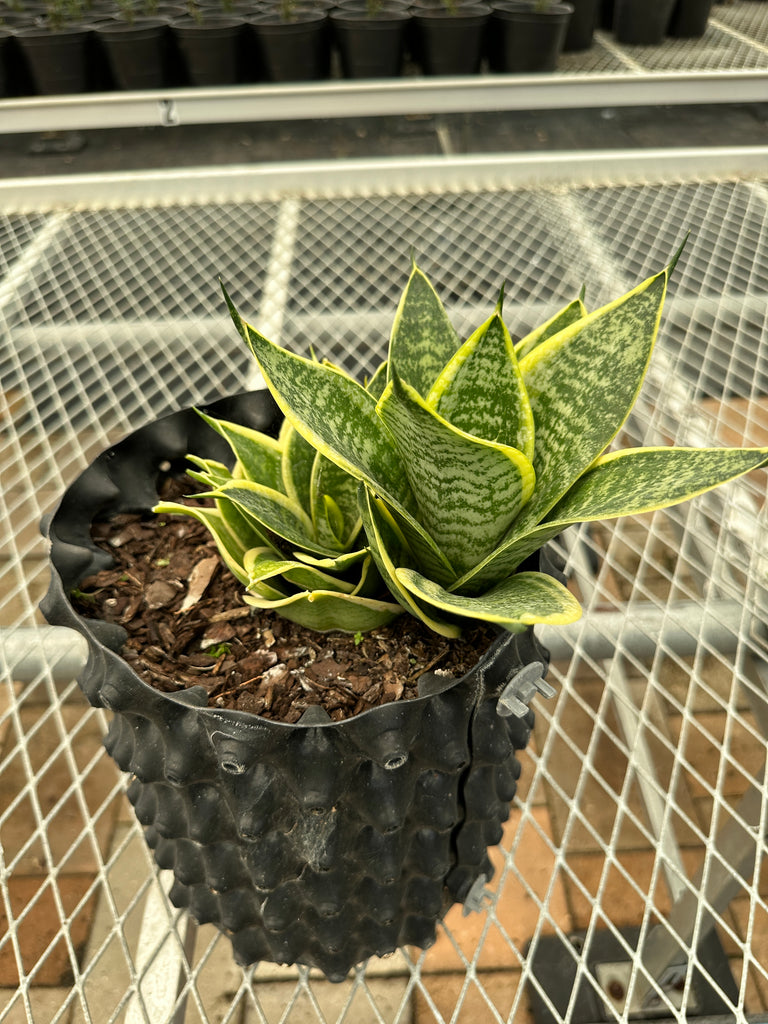
snake plant variegated Snake Plant Variegated — Jolly Green NurseryVariegated Snake Plant (Sansevieria trifasciata 'Laurentii') Best Growing Environment: Variegated Snake Plant, also known as Sansevieria trifasciata 'Laurentii', is highly adaptable and can thrive in various environments, making it an excellent choice for both indoor and outdoor settings. It prefers warm, dry climates and does well in well draining, sandy, or loamy soil with a pH range of 4. 5 to 7. 5. This plant can tolerate low light conditions but
Variegated Snake Plant (Sansevieria trifasciata 'Laurentii')
Best Growing Environment: Variegated Snake Plant, also known as Sansevieria trifasciata 'Laurentii', is highly adaptable and can thrive in various environments, making it an excellent choice for both indoor and outdoor settings. It prefers warm, dry climates and does well in well-draining, sandy, or loamy soil with a pH range of 4.5 to 7.5. This plant can tolerate low light conditions but thrives in bright, indirect sunlight. Its resilience and minimal care requirements make it a popular choice for homes, offices, and even outdoor gardens in suitable climates.
Common Names:
- Variegated Snake Plant
- Mother-in-law's Tongue
- Variegated Sansevieria
- Variegated Saint George's Sword
Average Height and Diameter: Variegated Snake Plants can grow to an average height of 1 to 4 feet (0.3 to 1.2 meters), with some varieties reaching up to 6 feet (1.8 meters) in optimal conditions. The plant's rosette-forming leaves can spread out to a diameter of 1 to 2 feet (0.3 to 0.6 meters), creating a dense, upright clump.
Growth Rate: Variegated Snake Plants have a slow to moderate growth rate. They tend to grow more quickly during the warmer months (spring and summer) and slow down during the winter. New leaves and offshoots, known as "pups," may appear during the growing season, contributing to the plant's gradual expansion.
Sun Requirements: Variegated Snake Plants are highly adaptable to different light conditions. They can tolerate low light environments, making them suitable for indoor spaces with minimal natural light. However, for optimal growth and vibrant leaf coloration, they prefer bright, indirect sunlight. Direct sunlight can cause the leaves to become scorched, so it is best to provide filtered light or partial shade.
Cold Hardiness: Variegated Snake Plants are not frost-tolerant and should be protected from temperatures below 50F (10°C). They thrive in USDA Hardiness Zones 9 through 11. In cooler climates, they should be grown indoors or moved inside during the winter months to prevent cold damage.
Water Requirements: Variegated Snake Plants have low water requirements and are highly drought-tolerant. Overwatering can lead to root rot, so it's essential to let the soil dry out between waterings. During the growing season (spring and summer), water the plant thoroughly when the top inch of soil feels dry. In the fall and winter, reduce watering to once a month or less, depending on the indoor environment's humidity and temperature.
Detailed Fertilizing Guide:
- Spring: Begin fertilizing in early spring as new growth starts. Use a balanced, water-soluble fertilizer (such as a 10-10-10 or 20-20-20 formula) at half the recommended strength. Apply every 4 to 6 weeks.
- Summer: Continue fertilizing every 4 to 6 weeks during the summer with the same balanced fertilizer. Be cautious not to over-fertilize, as Variegated Snake Plants are slow-growing and do not require heavy feeding.
- Fall: Gradually reduce fertilization in the fall as the plant's growth slows down. A light application of fertilizer in early fall can help sustain the plant through the winter.
- Winter: Do not fertilize during the winter months when the plant is semi-dormant. Resume regular fertilization in the spring.
Planting Guide:
- Site Selection: Choose a location with bright, indirect sunlight or low light conditions. Avoid direct sunlight to prevent leaf scorch.
- Planting Time: Variegated Snake Plants can be planted at any time of the year, but spring and early summer are ideal for promoting growth.
- Planting Depth: Use a well-draining potting mix, such as a cactus or succulent mix. Plant the Variegated Snake Plant at the same depth it was growing in its nursery container. Ensure the pot has drainage holes to prevent waterlogging.
- Spacing: Space plants 1 to 2 feet (0.3 to 0.6 meters) apart if planting multiple Variegated Snake Plants in a garden or large container.
- Watering: Water thoroughly after planting to settle the soil and eliminate air pockets. Continue to water sparingly, allowing the soil to dry out between waterings.
- Mulching: Mulching is generally not necessary for Variegated Snake Plants. However, a thin layer of gravel or small stones can be used on the soil surface to improve aesthetics and aid drainage.
Shipping Notes
- Free Standard Shipping on $100+ Orders to the USA.
- Except Preorder products are shipped in 48 hours.
- Delivery to the USA:
- Standard Shipping : 3-10 business days
- If time is of the essence, please consider selecting expedited delivery for faster service.
Exchange/Return Notes
- We offer a 30-day return/exchange service after receiving.
- Final sale items are not eligible for returns or exchanges.
- To process your return/exchange, please contact us at [email protected]
- Please click here for more details>>> Return & Exchange Policy