Pay in installments of $6.84 with
 ,
,
 and
and

Shipping Estimate
USA
- USA
- CAN
- USA
- CAN
Ships within 48 hours · Estimated delivery Sep 11 - Sep 16
 Promo Codes Available:
For Your Every Summer RSVP, with Code: SUMMER15
Description
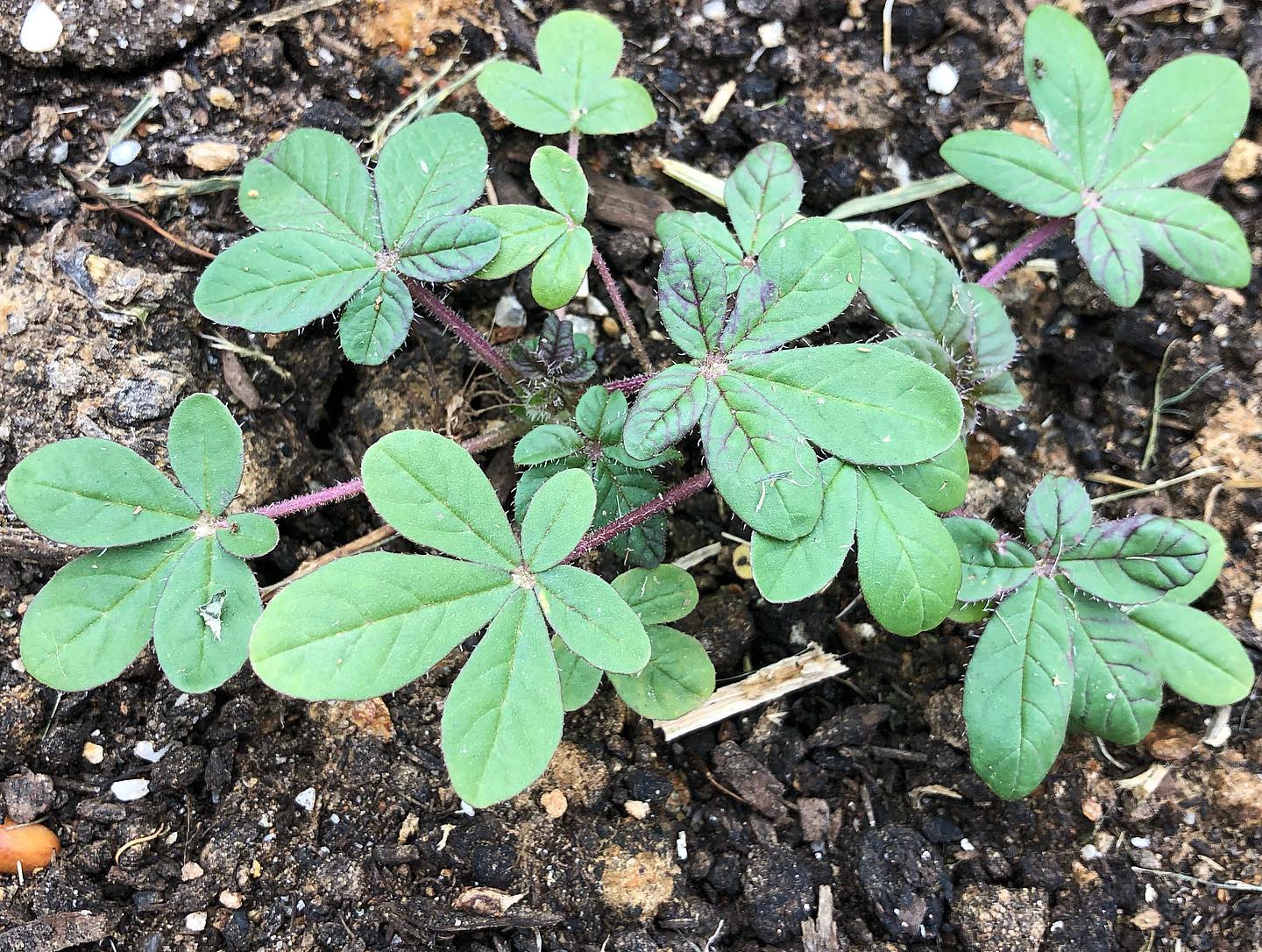
spider plant in kenya Chinsaga (Cleome Leaf) – Truelove SeedsRelated to ornamental Cleome, chinsaga is shorter (around 3 ft. high), bushier, and grown for its edible leaves. It is a bitter green, sometimes compared to mustard, and is full of nutrients and vitamins, and high in protein. A few of its many common names are shona cabbage, African cabbage, spiderwhisp, cat's whiskers, and wild spider flower. Originating in Africa, it is a rapidly spreading plant that has become established throughout Asian and
Related to ornamental Cleome, chinsaga is shorter (around 3 ft. high), bushier, and grown for its edible leaves. It is a bitter green, sometimes compared to mustard, and is full of nutrients and vitamins, and high in protein. A few of its many common names are shona cabbage, African cabbage, spiderwhisp, cat's whiskers, and wild spider flower. Originating in Africa, it is a rapidly spreading plant that has become established throughout Asian and American tropics. It is used as an anti-inflammatory herb, and is often eaten by pregnant and breast-feeding women. In much of Sub-Saharan Africa, its leaves and shoots are eaten boiled or in stews, and in Uganda and Tanzania it is often prepared with groundnut paste. In Thailand and Northern Malaysia, chinsaga is fermented in rice water and served as a pickled condiment known as phak sian dong and jeruk maman, respectively.
Our first chinsaga seeds came from a plant shared with us by Joseph Mbura who grows some of his traditional Kenyan vegetables in a garden across from the high school where he teaches in Roxborough, Philadelphia. Our seeds now come from Norah Makori in Minnesota.
Kisii Traditional Vegetables (Chinsaga) Recipe
(Serves 4)
Ingredients
- 5 bunches of Chinsaga (young leaves)
- 2 large chopped tomatoes
- 1 large chopped onion
- Cooking oil
- 1 tbsp salt (or to taste)
- Water
Process
- Remove the leaves from the stalk, wash, and put in the cooking pot. Use young leaves (older leaves take longer to cook and traditionally pumpkin is added to tenderize). Add water to cover the vegetables and simmer on low heat for 30 minutes.
- Once chinsaga has cooked, drain excess water and set aside.
- In another cooking pot add oil and heat, then add onions and saute until golden brown, then add tomatoes.
- Allow the tomatoes to cook until soft while stirring to mix then add the drained chinsaga and stir again to mix.
- Add salt and stir again and let it cook for 10-15 mins. (Optional: cook with a half cup of heavy cream)
- Remove from heat and serve with hot Ugali (a favourite Kisii maize meal starch) or other starch of your choice.
Enjoy!
Thanks to Nia Nyamweya and the entire Nyamweya family for sharing this recipe from Kisii, Kenya.
Days to maturity: 60
Seeds per pack: ~900
Seeds per bulk packet: ~1800
Germination rate: 85% on 02/16/2026
Planting / harvesting notes
Coming soon!
Seed keeping notes
Coming soon!
Shipping Notes
- Free Standard Shipping on $100+ Orders to the USA.
- Except Preorder products are shipped in 48 hours.
- Delivery to the USA:
- Standard Shipping : 3-10 business days
- If time is of the essence, please consider selecting expedited delivery for faster service.
Exchange/Return Notes
- We offer a 30-day return/exchange service after receiving.
- Final sale items are not eligible for returns or exchanges.
- To process your return/exchange, please contact us at [email protected]
- Please click here for more details>>> Return & Exchange Policy