Pay in installments of $6.89 with
 ,
,
 and
and

Shipping Estimate
USA
- USA
- CAN
- USA
- CAN
Ships within 48 hours · Estimated delivery Sep 4 - Sep 9
 Promo Codes Available:
For Your Every Summer RSVP, with Code: SUMMER15
Description
plant nectarine seed Sicilian Nectarine Tree – Grow OrganicEvery rare tree purchase supports historical orchard preservation Limited availabilityreserve up to 5 rare trees per order while supplies last Each handpicked tree includes a durable etched metal display tag and will be shipped in a 6 foot box to ensure optimal growth Standard on Lovell Rootstock The Sicilian Nectarine tree is a fascinating and delightful addition to any orchard, especially for those who appreciate historical varieties and the legacy
Every rare tree purchase supports historical orchard preservation
Limited availability—reserve up to 5 rare trees per order while supplies last
Each handpicked tree includes a durable etched metal display tag and will be shipped in a 6-foot box to ensure optimal growth
Standard on Lovell Rootstock
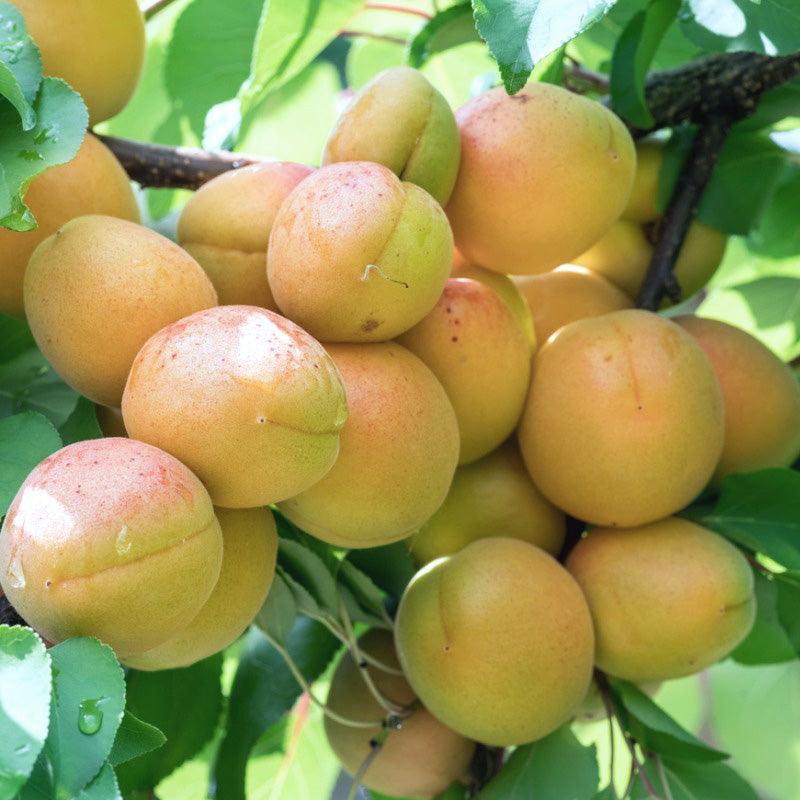
The Sicilian Nectarine tree is a fascinating and delightful addition to any orchard, especially for those who appreciate historical varieties and the legacy of traditional horticulture. With white flesh, white skin and light red striping on the sunny side, this particular nectarine tree, believed to have been brought from Sicily to Grass Valley many decades ago, is a small but robust tree that yields fruit with a flavor unmatched by commercial varieties. Its historical significance, coupled with its unique and delicious fruit, makes it a must-have for connoisseurs and fruit enthusiasts alike.
Historical Background
The Sicilian Nectarine tree is a living testament to the rich agricultural traditions of Sicily and the enduring appeal of heirloom fruit varieties. Brought to Grass Valley as a seedling, this tree has thrived in its new environment, producing small, golden nectarines with a rich, sweet flavor. The tree’s history is deeply connected to the legacy of Felix Gillet, a pioneering horticulturist who introduced many fruit and nut trees to the American West during the 19th century. Gillet’s influence is evident in the propagation of this nectarine tree, which continues to bear fruit decades after it was first planted.
Grown on Lovell rootstock, the Sicilian Nectarine tree has adapted well to its surroundings, demonstrating a remarkable ability to produce fruit with minimal care and water. The grandmother tree, standing just 8 feet tall, is a healthy and productive specimen, yielding a moderate crop almost annually. This resilience and productivity make the Sicilian Nectarine tree a valuable heirloom variety, preserving the flavors and characteristics of a time-honored fruit that might otherwise be lost to history.
How to Grow a Sicilian Nectarine Tree
Growing a Sicilian Nectarine tree requires some knowledge of its specific needs and preferences. By following these guidelines, you can cultivate a healthy tree that produces the uniquely flavored nectarines for which it is known.
- Climate and Location: The Sicilian Nectarine tree thrives in a temperate climate with warm summers and mild winters. This tree is well-suited to regions similar to its original Mediterranean environment, where it can enjoy long, sunny days and relatively dry conditions. It is important to choose a planting site that receives full sun, as this will help the tree produce the best quality fruit. The tree’s historical connection to Grass Valley, a region with a Mediterranean-like climate, suggests that it may also do well in similar climates across the northern and southern hemispheres.
- Soil Requirements: The Sicilian Nectarine tree prefers well-drained soils with a slightly acidic to neutral pH. While it can tolerate a range of soil types, good drainage is essential to prevent root rot and other moisture-related issues. Lovell rootstock, on which this tree is grown, offers some resistance to wet conditions, making it slightly more adaptable to less-than-ideal soils. However, the tree still performs best in well-drained, loamy soils enriched with organic matter.
- Planting: When planting a Sicilian Nectarine tree, dig a hole that is twice as wide and just as deep as the root ball. Position the tree in the hole, ensuring that the graft union (where the rootstock meets the scion) is above the soil line. Backfill the hole with soil, gently firming it around the roots to eliminate air pockets. After planting, water the tree thoroughly to help it establish strong roots.
- Watering: Consistent watering is crucial, especially during the tree’s first few years of growth. The Sicilian Nectarine tree requires regular watering, particularly in dry conditions, to ensure healthy growth and fruit production. However, once established, the tree has shown a remarkable ability to produce fruit with minimal water, as evidenced by the grandmother tree in Grass Valley. This drought tolerance is one of the tree’s strengths, but it is still important to provide adequate moisture during critical periods such as flowering and fruiting.
- Pruning: Pruning is an essential part of caring for a Sicilian Nectarine tree. Prune the tree during its dormant season, typically in late winter, to remove dead or diseased branches and to shape the tree. Pruning encourages the growth of strong, healthy branches that can support the weight of the fruit. For best results, aim to create an open center or vase shape, which allows sunlight to penetrate the canopy and reach the developing fruit. This practice also improves air circulation, reducing the risk of fungal diseases.
- Fertilization: Fertilizing the Sicilian Nectarine tree helps support its growth and fruit production. Apply a balanced fertilizer in early spring, just as new growth begins, to provide the tree with essential nutrients. Additional feedings can be made throughout the growing season, particularly if the tree shows signs of nutrient deficiency. However, avoid over-fertilizing, as this can lead to excessive vegetative growth at the expense of fruit production.
Fruit Production
The Sicilian Nectarine tree is known for its moderate yet consistent fruit production. The young mother trees in the orchard are small but hardy, producing a reliable crop of nectarines each year. The fruit is small but packed with an incredibly rich, sweet, and delicate flavor, making it a prized addition to any fruit lover’s collection.
- Fruit Characteristics: The nectarines produced by this tree are small and golden, with white flesh and a unique light red striping on the sunny side. This distinctive appearance, combined with the fruit’s rich flavor, sets it apart from commercial varieties. The nectarines ripen slowly over a month rather than all at once, allowing you to enjoy them over an extended period. To determine when the fruit is ripe, gently squeeze it; a ripe nectarine will yield slightly to pressure.
Harvesting Nectarines
Harvesting nectarines from the Sicilian Nectarine tree requires careful attention to timing and handling to ensure that the fruit is at its peak flavor and quality.
- Harvest Timing: The nectarines from this tree ripen slowly over a month, rather than all at once. This extended ripening period allows you to harvest the fruit gradually, ensuring that each nectarine is picked at the perfect moment. To determine if a nectarine is ready for harvest, gently squeeze the fruit; it should feel slightly soft but not mushy. The fruit will also develop a sweet fragrance when it is fully ripe.
- Handling: The delicate nature of the Sicilian Nectarine’s skin means that the fruit must be handled with care to avoid bruising. When harvesting, place the nectarines gently into shallow containers, being careful not to stack them too high. This careful handling will help preserve the fruit’s quality and prevent spoilage.
- Post-Harvest Care: After harvesting, the nectarines can be enjoyed fresh or used in a variety of culinary applications. The unique flavor of this fruit makes it ideal for eating out of hand, as well as for use in desserts, preserves, and other dishes. If you have a surplus of nectarines, consider preserving them by canning, freezing, or drying. Proper storage is key to maintaining the quality of the fruit. Store ripe nectarines in a cool, dry place or refrigerate them to extend their shelf life.
Conclusion
The Sicilian Nectarine tree is a unique and historically significant variety that offers both exceptional flavor and a connection to a rich horticultural heritage. By following the guidelines for planting, care, and harvesting, you can enjoy the sweet rewards of this remarkable tree. Whether you are growing it for its connection to Felix Gillet and the historical legacy of heirloom fruit or simply for the delight of its delicious nectarines, the Sicilian Nectarine tree is sure to be a valuable and rewarding addition to your garden or orchard. Its small, golden fruit, with its rich, sweet flavor, is a testament to the enduring appeal of heirloom varieties and the joys of homegrown fruit.
Shipping Notes
- Free Standard Shipping on $100+ Orders to the USA.
- Except Preorder products are shipped in 48 hours.
- Delivery to the USA:
- Standard Shipping : 3-10 business days
- If time is of the essence, please consider selecting expedited delivery for faster service.
Exchange/Return Notes
- We offer a 30-day return/exchange service after receiving.
- Final sale items are not eligible for returns or exchanges.
- To process your return/exchange, please contact us at [email protected]
- Please click here for more details>>> Return & Exchange Policy