Pay in installments of $6.21 with
 ,
,
 and
and

Shipping Estimate
USA
- USA
- CAN
- USA
- CAN
Ships within 48 hours · Estimated delivery Oct 16 - Oct 21
 Promo Codes Available:
For Your Every Summer RSVP, with Code: SUMMER15
Description
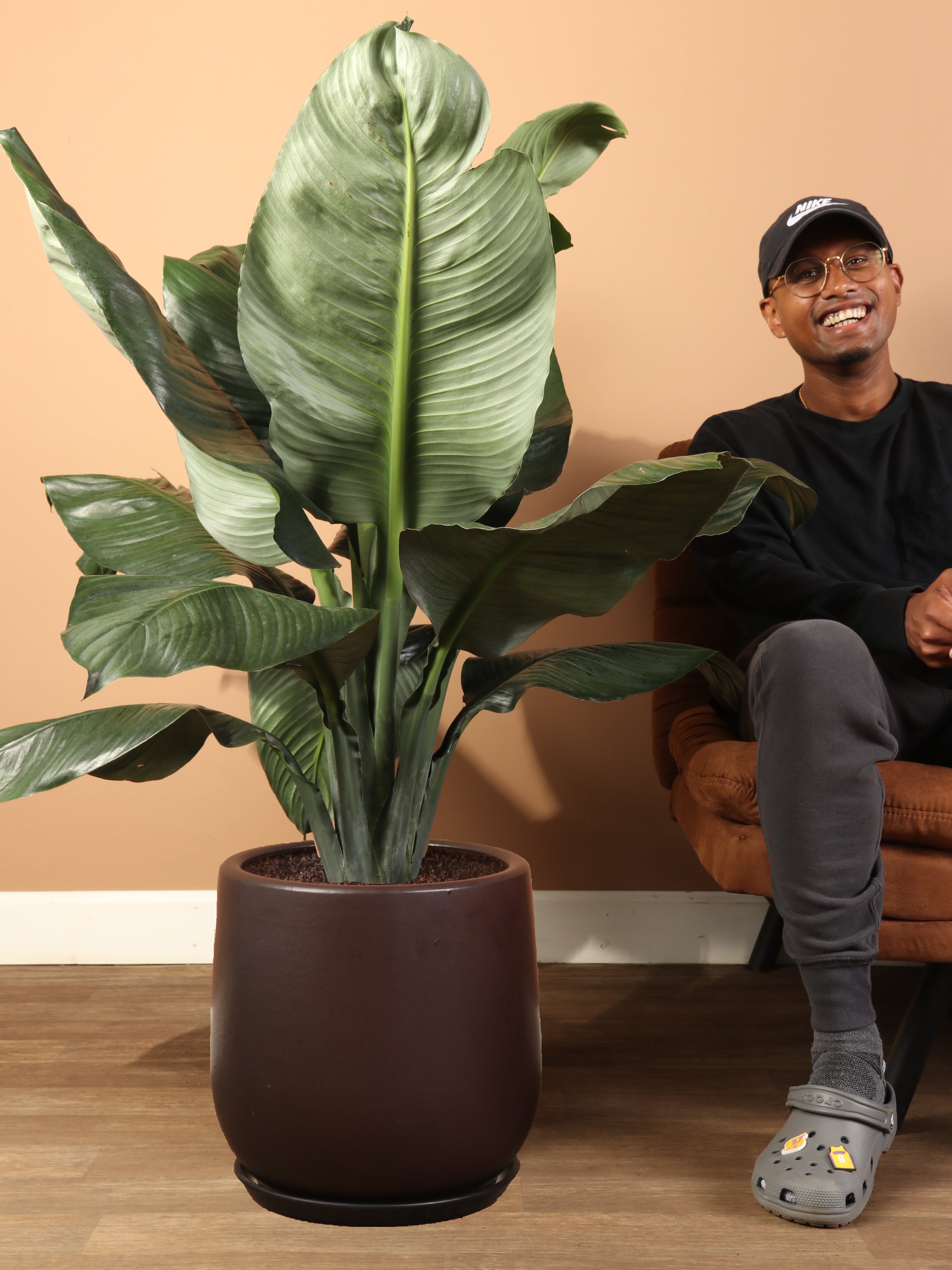
peace lily max size 6-8ft Sensation Peace Lily – Dahing PlantsDescription The Sensation Peace Lily is nature's gentle reminder that sometimes the most powerful presence comes wrapped in quiet elegance. This upsized peace lily has mastered the art of bringing serenity while commanding the attention every stunning plant deserves. Hailing from the lush tropical regions where humidity reigns and filtered light dances through canopies, this giant Peace Lily develops glossy, deeply ribbed leaves that can reach an
Description
The Sensation Peace Lily is nature's gentle reminder that sometimes the most powerful presence comes wrapped in quiet elegance. This upsized peace lily has mastered the art of bringing serenity while commanding the attention every stunning plant deserves.
Hailing from the lush tropical regions where humidity reigns and filtered light dances through canopies, this giant Peace Lily develops glossy, deeply ribbed leaves that can reach an impressive 20 inches long (50 cm). When your Sensation peace lily finds its happy place indoors, it can stretch gracefully to 6 feet tall (1.8 meters), creating that perfect balance between dramatic presence and livable scale that works beautifully in most homes.
Care
How to care for a Sensation Peace lily indoors
Sensation peace lily care involves providing consistent bright indirect light, maintaining proper soil moisture levels, ensuring humidity stays above fifty percent, feeding regularly during active growing seasons, and ensuring excellent drainage for optimal health and long-term thriving success.
Your Sensation peace lily indoors thrives when you treat it like the tropical beauty it is. This means keeping that soil consistently moist (never soggy though!), offering diluted fertilizer every two weeks during spring and summer, and giving those magnificent leaves an occasional gentle wipe to keep them gleaming. The wonderful thing about caring for this plant is how forgiving it can be when life gets busy and you occasionally miss a watering day.
Do Sensation peace lilies need direct sunlight?
Sensation Peace lilies don't need direct sunlight exposure. They actually prefer bright, filtered light conditions that perfectly mimic their natural tropical understory habitat, where they originally evolved and flourished for countless generations in peaceful, dappled shade.
Direct sun will actually stress your plant and can burn those beautiful leaves we all adore. A spot near a north or east-facing window gives your Sensation Peace Lily the gentle, consistent light it craves while protecting it from harsh afternoon rays.
Is the Sensation Peace Lily a good indoor plant?
The Sensation Peace Lily makes an excellent indoor plant choice because it's wonderfully forgiving to beginners, actively purifies your air naturally, adapts well to various light conditions gracefully, and provides consistent year-round beauty with minimal daily fuss.
This gentle giant checks all the boxes for what makes a fantastic houseplant companion. It's patient with beginners, rewarding with regular bloomers, and impressive enough to serve as a living centerpiece that guests always notice and admire.
Is the Sensation Peace Lily poisonous?
Yes, the Sensation Peace Lily contains calcium oxalate crystals that make it mildly toxic to both humans and pets if ingested, causing immediate oral irritation, discomfort, and potential digestive upset symptoms requiring careful attention and thoughtful placement.
While she's not as dangerous as some plants in your collection might be - even other lilies - you'll want to place her thoughtfully away from curious pets and little ones who might be tempted to taste-test those beautiful leaves. Think of it as keeping everyone safe while still enjoying her stunning presence.
What is the best location for a peace lily?
The best location for your Peace Lily is somewhere near a bright window where there’s filtered natural light, positioned safely away from cold drafts, heating vents, air conditioning units, and any places where the temperature frequently changes.
A bathroom with good natural light actually makes an ideal home since your plant will love the extra humidity from your daily showers. Otherwise, any bright corner where she can show off while staying protected from direct sun will keep your Sensation Peace Lily perfectly content for years to come.
Do Sensation Peace Lilies bloom?
Sensation Peace Lilies bloom beautifully throughout their active growing season, producing elegant white spathes that serve as nature's special way of celebrating your successful plant care efforts and dedication to providing proper growing conditions and consistent attention.
These Sensation Peace Lily flowers appear more frequently when your plant feels truly happy with its light and humidity levels. Each bloom is like a personal thank-you note from your plant, letting you know you're providing exactly what it needs to thrive.
Do Sensation Peace Lilies like full sun or shade?
Sensation Peace Lilies strongly prefer shaded areas over full sun exposure, thriving beautifully in the gentle, filtered light conditions that perfectly remind them of their native tropical understory environment where they originally evolved and adapted over time.
Think of your plant as preferring the ambience of a peaceful forest clearing rather than the intensity of an open field at midday. Soft, indirect light will encourage healthy growth and those coveted white blooms you're hoping to see.
How often should I water a Sensation Peace Lily?
Water your Sensation Peace Lily when the top inch of soil feels dry, adjusting frequency based on temperature, humidity, seasonal changes, and growth patterns. Leaves will droop when they need a drink, then perk up beautifully within hours of watering.
Do peace lilies need misting?
Peace lilies benefit greatly from regular misting sessions to maintain humidity levels above fifty percent, especially during dry indoor seasons when heating and air conditioning systems reduce natural moisture levels significantly throughout your entire home environment and living spaces.
A gentle daily spritz on the leaves helps recreate that tropical humidity your plant remembers from its ancestral home. You'll notice how much more vibrant and healthy your Sensation Peace Lily looks when it gets this extra moisture attention.
What is the lifespan of a Sensation Peace Lily?
A Sensation Peace Lily can live five to ten years or much longer with good care, and some really well-cared-for plants have thrived happily for decades. This is the kind of plant relationship that grows more rewarding over time.
Does a Peace lily need to be near a window?
Your Peace Lily should be near a bright window for adequate natural light exposure, but far enough away to avoid direct sunlight that could damage those leaves. A few feet back from a bright window usually creates the perfect environment.
Pet-friendly?
The Sensation Peace Lily isn't pet-friendly, so you'll need to think carefully about where you put it if you share your home with curious cats or dogs who like to explore your plant collection.
Is the Sensation Peace Lily toxic to dogs?
The Sensation Peace Lily is toxic to dogs. It’ll cause oral irritation, drooling, vomiting, and difficulty swallowing if any part of the plant gets consumed by your four-legged family members. Think strategic placement where your dogs can't reach those leaves.
High shelves, hanging planters, or rooms that are typically off-limits work wonderfully for keeping both your plant and your pets safe and happy.
Is the Sensation Peace Lily poisonous to cats?
Cats and Sensation Peace Lilies need carefully supervised relationships since the plant is poisonous to cats, causing immediate oral discomfort, excessive drooling, vomiting, and complete loss of appetite if chewed or eaten by curious feline family members.
Since cats are naturally curious climbers, you'll want to think creatively about placement. Consider a room your cat doesn't frequent or a very secure hanging planter that's genuinely out of reach of even the most determined feline explorer.
Factoids
How long do Sensation Peace Lily flowers last?
Sensation Peace Lily flowers typically last several weeks to a couple months under optimal growing conditions, providing remarkably long-lasting blooms compared to most other common houseplant flowering displays and celebrations throughout the entire indoor gardening community and plant collecting world.
Each bloom is like having a month-long celebration of your plant care success. Those white spathes gradually transition from pure white to soft green, giving you plenty of time to enjoy the floral show before your plant redirects its energy back into producing those magnificent leaves.
Are there different types of peace lily?
Yes, there are over forty different Peace Lily species and many distinctive cultivars available worldwide, including popular varieties like 'Domino', 'Picasso', 'Wallisii', and our impressively large giant Peace Lily 'Sensation' variety for collectors seeking dramatic statement plants.
The Peace Lily family offers something for every plant lover – from compact varieties perfect for desks to our dramatic Sensation that makes such a beautiful statement. Each variety shares that classic Peace Lily charm while bringing its own special character to your collection.
What is the significance of the peace lily plant?
The Peace Lily plant symbolizes peace, hope, spiritual renewal, purity, and resilience across many different cultures, often chosen as meaningful gifts during times of sympathy, remembrance, or new beginnings when people want to share comfort and support.
There's something deeply comforting about having a plant whose very name speaks to tranquility. Your Sensation Peace Lily brings that sense of calm and renewal into your daily life, creating peaceful moments every time you pass by and admire its graceful presence.
Is Sensation Peace Lily the same as a peace lily?
The Sensation Peace Lily is a giant version of the Peace Lily family. You tell it apart by its impressive size and deeply ribbed leaves. All Peace Lilies share those lovely blooms and green foliage, but the Sensation amplifies everything.
Buy a Sensation Peace Lilly
Our Sensation Peace Lily offers the perfect combination of dramatic presence and easy-going nature that makes every day a little more Peaceful. With its air-purifying abilities and stunning 6-foot potential, this large Peace Lily transforms any space into your personal sanctuary.
We're here to support you every step of the way as you and your new plant companion get acquainted. Let's grow something beautiful and meaningful together – your future self will thank you for choosing such a rewarding, long-term plant relationship!
Shipping Notes
- Free Standard Shipping on $100+ Orders to the USA.
- Except Preorder products are shipped in 48 hours.
- Delivery to the USA:
- Standard Shipping : 3-10 business days
- If time is of the essence, please consider selecting expedited delivery for faster service.
Exchange/Return Notes
- We offer a 30-day return/exchange service after receiving.
- Final sale items are not eligible for returns or exchanges.
- To process your return/exchange, please contact us at [email protected]
- Please click here for more details>>> Return & Exchange Policy