Pay in installments of $5.01 with
 ,
,
 and
and

Shipping Estimate
USA
- USA
- CAN
- USA
- CAN
Ships within 48 hours · Estimated delivery Sep 13 - Sep 18
 Promo Codes Available:
For Your Every Summer RSVP, with Code: SUMMER15
Description
can i put an aloe vera plant outside Shop 'Aloe ferox - Cape Aloe' Care and Growing GuideIntroducing the Aloe ferox, also known as cape aloe, which is a vibrant member of the Aloe genus. The name "ferox" derives from the Latin word meaning "fierce" or "wild," which reflects the plant's spiky leaves and hardy nature. Aloe ferox goes by several common names, including Cape Aloes, Bitter Aloes, Red Aloe, and Tap Aloe. Native to Southern Africa, the Aloe ferox, a single stemmed succulent with an upright trunk, grows in a dense rosette
Introducing the Aloe ferox, also known as cape aloe, which is a vibrant member of the Aloe genus. The name "ferox" derives from the Latin word meaning "fierce" or "wild," which reflects the plant's spiky leaves and hardy nature. Aloe ferox goes by several common names, including Cape Aloes, Bitter Aloes, Red Aloe, and Tap Aloe.
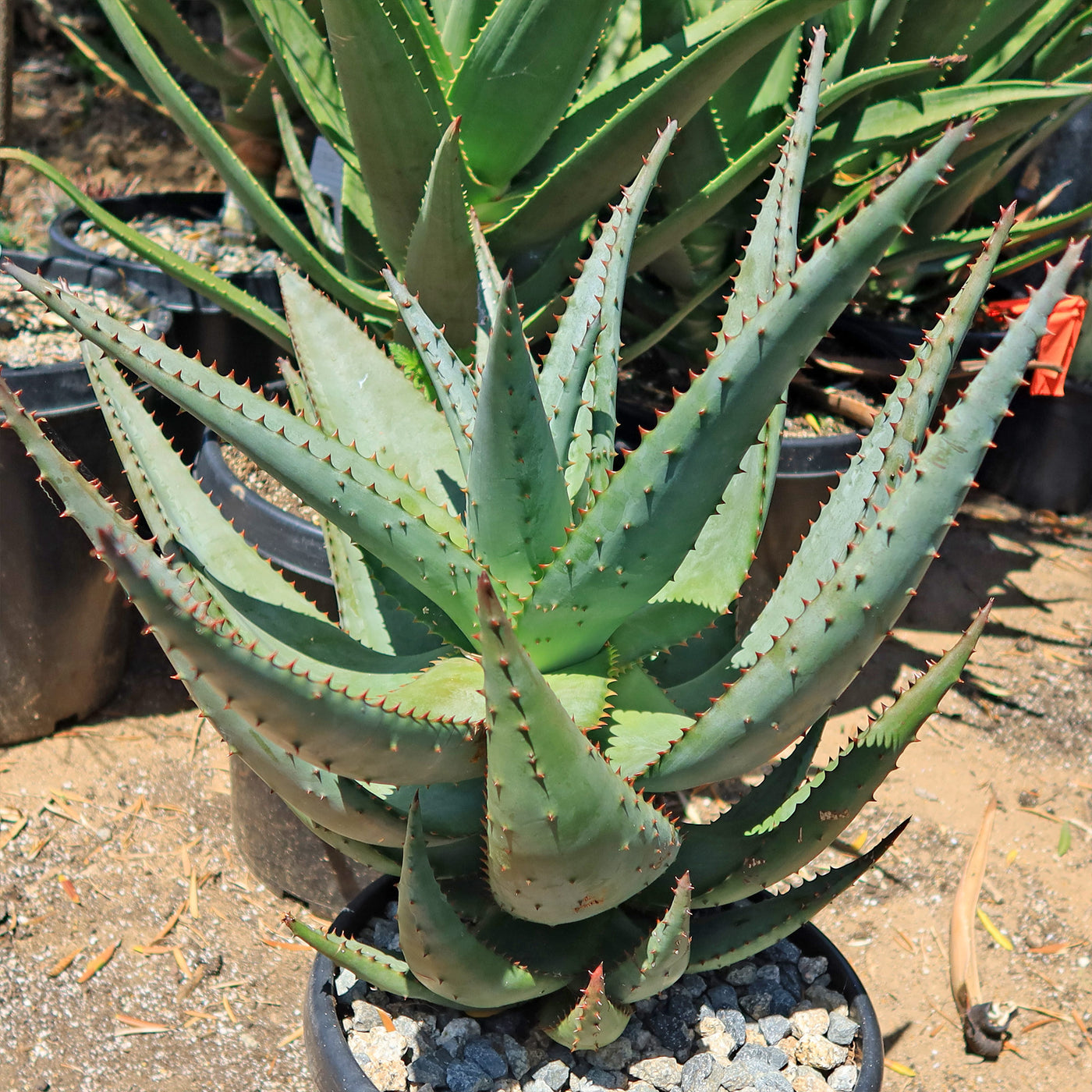
Native to Southern Africa, the Aloe ferox, a single-stemmed succulent with an upright trunk, grows in a dense rosette pattern. The blue-green, stiff lance-shaped leaves have small, brown prickles that resemble spines on both the upper and lower surfaces of the leaves. They are armed with sharp, spiky teeth along the edges, which act as a defense mechanism against herbivores. The dried leaves form a petticoat on the stem. The leaves can grow up to 12 feet tall and 5 feet wide, making them quite impressive.
When the Aloe ferox plant matures, it produces tall, sturdy tubular flower spikes that can reach up to 10 feet in height.
The flower spikes are adorned with orange or red flowers that attract pollinators like birds, bees, and insects.
The blooming period usually occurs during the spring months, adding a vibrant touch to the plant's overall appearance.
Aloe ferox can be propagated through pups or seeds. One common way is through offsets, also known as "pups," which are small plantlets that grow at the base of the mother plant.
These can be carefully separated and replanted to establish new Aloe ferox plants. Additionally, seeds can be collected from the flowers and sown to grow new young plants themselves, although this method takes longer to produce mature plants.
When it comes to the benefits of Aloe ferox, this popular medicinal plant has similar medicinal qualities to Aloe vera. Like Aloe vera, the aloe gel of Aloe ferox has traditional cosmetic and medicinal applications, for many conditions such as moisturizing hair and skin, treating sun burns, and treating skin irritations. Aloe vera lacks laxative and purgative properties; in contrast, the gel-like flesh of Aloe ferox that is extracted from the trunk possesses these qualities.
Additionally, the Aloe ferox is non-toxic to both humans and pets. These aloe plants are suitable for xeriscaping, desert gardens, and rock gardens.
Watering Needs
Like most succulents, Aloe ferox prefers infrequent but deep waterings. It's important to let the soil dry out almost completely between waterings. Overwatering can lead to root rot, so it's better to underwater than overwater.
In the spring and summer, during the growing season, water your Aloe Ferox thoroughly once every two to three weeks. This allows the roots to soak up the water and then dry out before the next watering.
In the winter months, when the plant is in its dormant phase, you can reduce the frequency of watering. Watering once a month should be sufficient during this time. Just make sure the soil is completely dry before watering again.
Remember, the key is to provide enough water to hydrate the plant without letting it sit in soggy soil. Aloe ferox is adapted to survive in arid conditions, so it's important not to overdo it with watering. Keep an eye on the succulent plant and adjust the watering schedule as needed based on the moisture level of the soil.
Light Requirements
When growing Aloe ferox indoors, it's important to provide it with bright, indirect sunlight. Place your plant near a window that receives plenty of sunlight throughout the day. A south or west-facing window is usually ideal. Aloe ferox can tolerate some direct sunlight, but too much can cause the leaves to burn. If you notice the leaves turning brown or developing sunburn spots, it's a sign that the plant is getting too much direct sunlight. In that case, you can move it slightly away from the window or provide some light shade.
If you don't have access to a window with sufficient sunlight, you can also use artificial grow lights. LED grow lights are a great option as they provide the right spectrum of light for plant growth. Place the lights about 12 to 18 inches above the plant and keep them on for about 12 to 14 hours a day.
When growing Aloe ferox outdoors, it thrives in full sun to partial shade. It can handle direct sunlight for several hours a day, but providing some shade during the hottest part of the day can help prevent leaf burn. If you live in a region with extremely hot and intense sunlight, providing some afternoon shade can be beneficial. Aloe ferox can tolerate a wide range of light conditions, but too much intense sunlight can stress the plant.
It's important to note that Aloe ferox is a succulent species, and it can adapt to different light conditions to some extent. However, for optimal growth and health, providing it with bright, indirect sunlight or partial shade is recommended.
Remember, finding the right balance of light is crucial for the well-being of your Aloe ferox. Monitor how the plant responds to its current light conditions and make adjustments accordingly. If the leaves start to stretch or become pale, it's a sign that the plant is not getting enough light. On the other hand, if the leaves become yellow or develop brown spots, they may be getting too much direct sunlight.
Optimal Soil & Fertilizer Needs
Aloe ferox prefers well-draining soil that mimics its natural habitat. A sandy or sandy-loam soil mix works best. This type of soil allows excess water to drain away, preventing the roots from sitting in soggy conditions, which can lead to root rot. Planet Desert specializes in succulents and has specialized succulent potting soil that includes an organic substrate with mycorrhizae to help with the growth of a healthy root system to help your succulents thrive. As an okay alternative, you can create your own potting mix by combining equal portions of perlite, coarse sand, and good natural potting soil.
Aloe ferox doesn't require frequent or heavy feeding. During the growing season, in the spring, you can fertilize your Aloe ferox once a year. Use a balanced (5-10-5), water-soluble NPK fertilizer specifically formulated for succulents or cacti. In the dormant season, which is usually during fall and winter, you can reduce or stop fertilizing altogether. Aloe ferox tends to slow down its growth during this time, so it doesn't require as much nutrient supplementation.
Remember, it's always a good idea to observe your Aloe ferox plant and adjust your care routine based on its specific needs. If you notice the leaves turning yellow or the plant showing signs of stress, it may be a sign of over-fertilization. In that case, it's best to reduce the frequency or strength of your fertilizer application.
Hardiness Zones & More
Aloe ferox is typically grown as a houseplant in regions where the climate is not suitable for outdoor cultivation. It can thrive indoors in temperatures between 60°F and 80°F during the day. It can tolerate slightly cooler temperatures at night, but it's best to avoid exposing it to temperatures below 50°F. In terms of humidity, Aloe ferox is adaptable and can tolerate average indoor humidity levels. However, it appreciates a slightly drier environment, so it's not necessary to increase humidity levels artificially.
Native to southern parts of South Africa, the Aloe ferox thrives outdoors in warm, arid climates in USDA zones 9 to 11, where temperatures rarely drop below 20°F. As for humidity, Aloe ferox can handle a broad range of humidity levels, including dry conditions. It is relatively drought-tolerant and can withstand periods of low rainfall.
Remember, these are general guidelines, and it's important to consider your specific location and microclimate when growing Aloe ferox. Always monitor your plant for any signs of stress, such as wilting or discoloration, and adjust its care accordingly.
Final Thoughts
Overall, the Aloe ferox (cape aloe) is a remarkable accent plant with a rich history and numerous benefits. Its spiky leaves, vibrant flowers, and medicinal properties make it a popular choice for both ornamental and therapeutic purposes. Aloe ferox prefers well-draining soil, ample sunlight, and occasional watering. It is important to avoid overwatering and protect your cape aloe from frost outside of USDA zones 9-11, during colder months to ensure its health and longevity. Whether you're looking to add a touch of beauty to your garden or harness its healing properties, Aloe ferox is a plant worth exploring. Don't miss out on this opportunity to add something truly exceptional to your garden. Order your very own Cape aloe 'Aloe ferox' for sale today.
Shipping Notes
- Free Standard Shipping on $100+ Orders to the USA.
- Except Preorder products are shipped in 48 hours.
- Delivery to the USA:
- Standard Shipping : 3-10 business days
- If time is of the essence, please consider selecting expedited delivery for faster service.
Exchange/Return Notes
- We offer a 30-day return/exchange service after receiving.
- Final sale items are not eligible for returns or exchanges.
- To process your return/exchange, please contact us at [email protected]
- Please click here for more details>>> Return & Exchange Policy