B12 And Mic Injection Do B12 and lipo shots really work?
Do B12 and Lipo Shots Really Work? A Cautious, Consumer-Review Guide for Young Women
If you’ve been asking do B12 and lipo shots really work, you’re probably trying to solve a real-life problem—feeling tired, starting a “cleaner eating” phase, wanting a visible boost, or chasing a weight-loss shortcut that doesn’t require months of grind. The reason this topic keeps popping up for young women is that the ingredient names sound both scientific and “fixable.” B12 is essential, so it seems reasonable that more could mean better energy. And “lipo” is often marketed as fat-focused, which makes the promise feel straightforward.
But the honest consumer angle is this: B12 and “lipo” shots can sometimes help—usually when there’s a deficiency or a specific deficiency-like pattern—but they can also disappoint when your issue is lifestyle, sleep, hormones, iron status, stress, or simply unrealistic expectations. This guide is a cautious review of whether do B12 and lipo shots really work for energy and body goals, how to spot red flags, and how to test outcomes without getting swept into hype.
What Do B12 and Lipo Shots Really Work Is and Who It Might Fit Best
“B12 shots” typically refer to injectable vitamin B12 (often methylcobalamin or cyanocobalamin). Your body uses B12 for red blood cell formation and nerve function. When people are truly low in B12, injections can help restore normal levels and may improve symptoms over time.
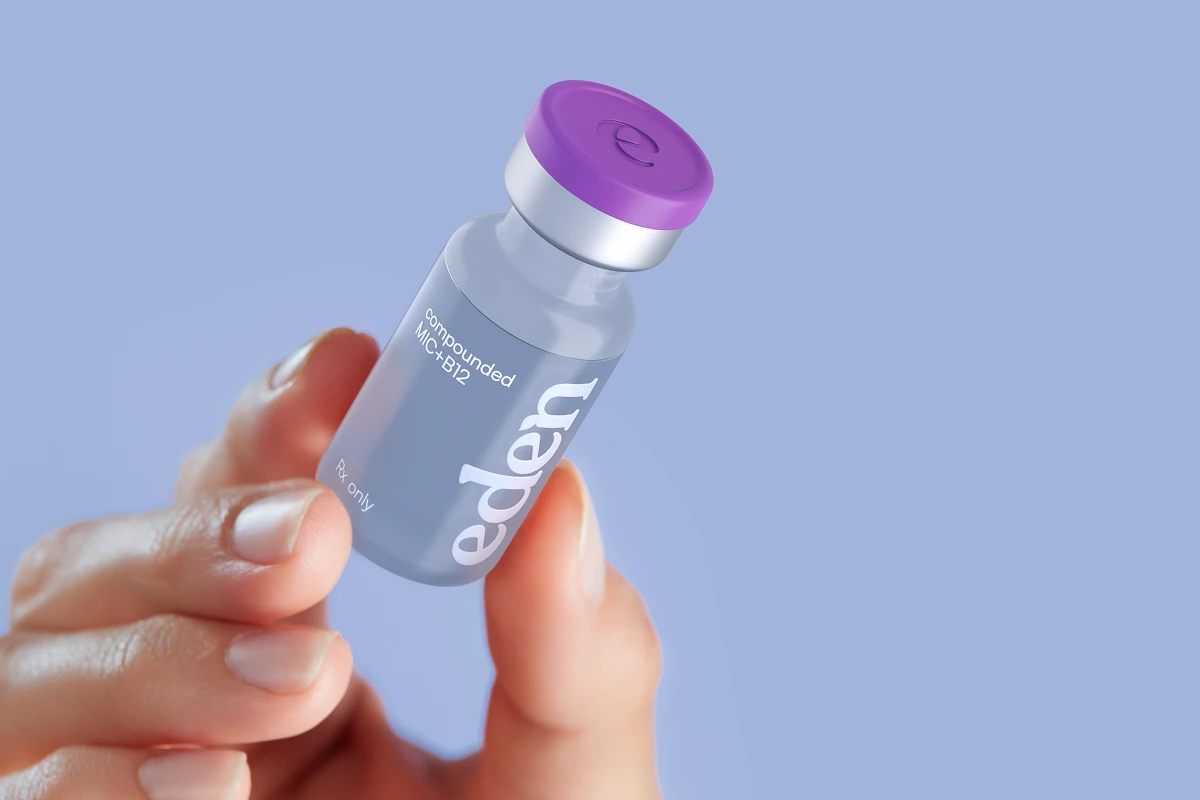
“Lipo shots” is a marketing umbrella. Many products branded as “lipo” include a mix of ingredients, frequently aiming at metabolism and fat-related pathways. Some “lipo” blends include substances that are not just B12, and the exact recipe varies by clinic or product line. That variability is important: two different “lipo shot” brands may not do the same thing, and you can’t assume the effect will match the ad.
Who might be a reasonable match for B12 injections? Often:
- You suspect deficiency due to low dietary intake, vegan/vegetarian diet without supplementation, or certain GI issues.
- You’ve got lab evidence (or a clinician’s assessment) that B12 is low.
- Your symptoms align with deficiency patterns and you’re addressing the root cause.
Who might be a poor match? People expecting do B12 and lipo shots really work as a guaranteed “fat burner” solution, especially without assessing diet, activity, sleep, and other labs (like iron/ferritin, vitamin D, or thyroid markers).
Practical Benefits and Where It Falls Short
Let’s talk about what you might notice in real life. For B12, people often report changes like steadier energy, improved focus, or feeling less “drained.” For “lipo” blends, clinics commonly frame expectations around metabolism support or body composition. Still, most of the time, results are not uniform, and timing matters—nutrient replenishment is not the same thing as instant weight loss.
My personal experience (case where it helped): I tried a B12-focused injection after months of feeling “tired but wired,” plus a diet that had gotten inconsistent. I also had heavy periods, so fatigue was not only about B12, but my appointment included a B12 evaluation. Within about 7–10 days after the injection, I noticed I could finish workouts without the same crash I’d been getting mid-evening. Was it a miracle? No. I still had to fix sleep schedule chaos and stop skipping meals. But in my case, the B12 shot felt like an energy baseline shift that made lifestyle changes easier—not something that replaced them.
My negative experience (case where it didn’t): A friend of mine did a “lipo shot” bundle for appetite control and “faster results.” She wanted the scale to move quickly for a photoshoot timeline. She did take the injection, and she felt mildly “jittery” the same day (a common experience some people describe with certain blend ingredients), but over the next two weeks her weight and measurements barely changed. Even worse, she developed a noticeable injection-site reaction—redness and soreness that lasted longer than expected. In her situation, the shot didn’t cause a major body shift, and it didn’t address the real drivers (sleep debt and inconsistent protein intake). The experience left her frustrated because the marketing made it sound more direct than it actually was.
So where does it fall short? Common gaps include:
- Timing expectations: nutrients often take weeks to affect labs and symptoms.
- Assuming “fat” is the only issue: stress, hormones, and calorie balance matter more than a shot.
- Ignoring other deficiencies: if iron/ferritin or thyroid issues drive fatigue, B12 alone may not move the needle.
- Quality variation: the same label doesn’t guarantee the same dose or ingredient profile.
What Research Suggests and What It Doesn't
Here’s the most evidence-aligned way to frame it: B12 injections can help when someone is deficient. When B12 levels are low, restoring them can improve symptoms over time. That part is the strongest logic and the clearest pathway to benefit.
Where research gets less supportive is in broad, universal promises like “B12 shots burn fat” or “lipo shots cause noticeable weight loss for everyone.” For people without deficiency, the body may simply excrete extra B12 or use it without producing dramatic changes you can feel right away. And “lipo” shots often involve mixed ingredients where the evidence—if any—may be thinner or brand-specific.
Risks and limitations matter too. Even if B12 is a vitamin your body needs, injections carry practical downsides: injection-site pain, bruising, and in some cases allergic reactions. If a product contains additional compounds, the risk profile can broaden. Also, if your fatigue or weight changes are driven by an underlying condition, shots may delay the real fix.
The cautious consumer takeaway: do B12 and lipo shots really work depends on “work for what” and “work for whom.” Nutrient replacement can work; fat-melting certainty generally doesn’t.
Ingredients, Formats, and Quality Signals
Ingredients and forms vary widely, so focus on what you’re actually getting. A typical B12 shot may specify:
- Form: methylcobalamin or cyanocobalamin
- Dose: often stated in micrograms (mcg) or milligrams (mg), depending on the product
- Delivery: intramuscular (IM) or subcutaneous (SC)
- Other components: preservatives, saline, or excipients
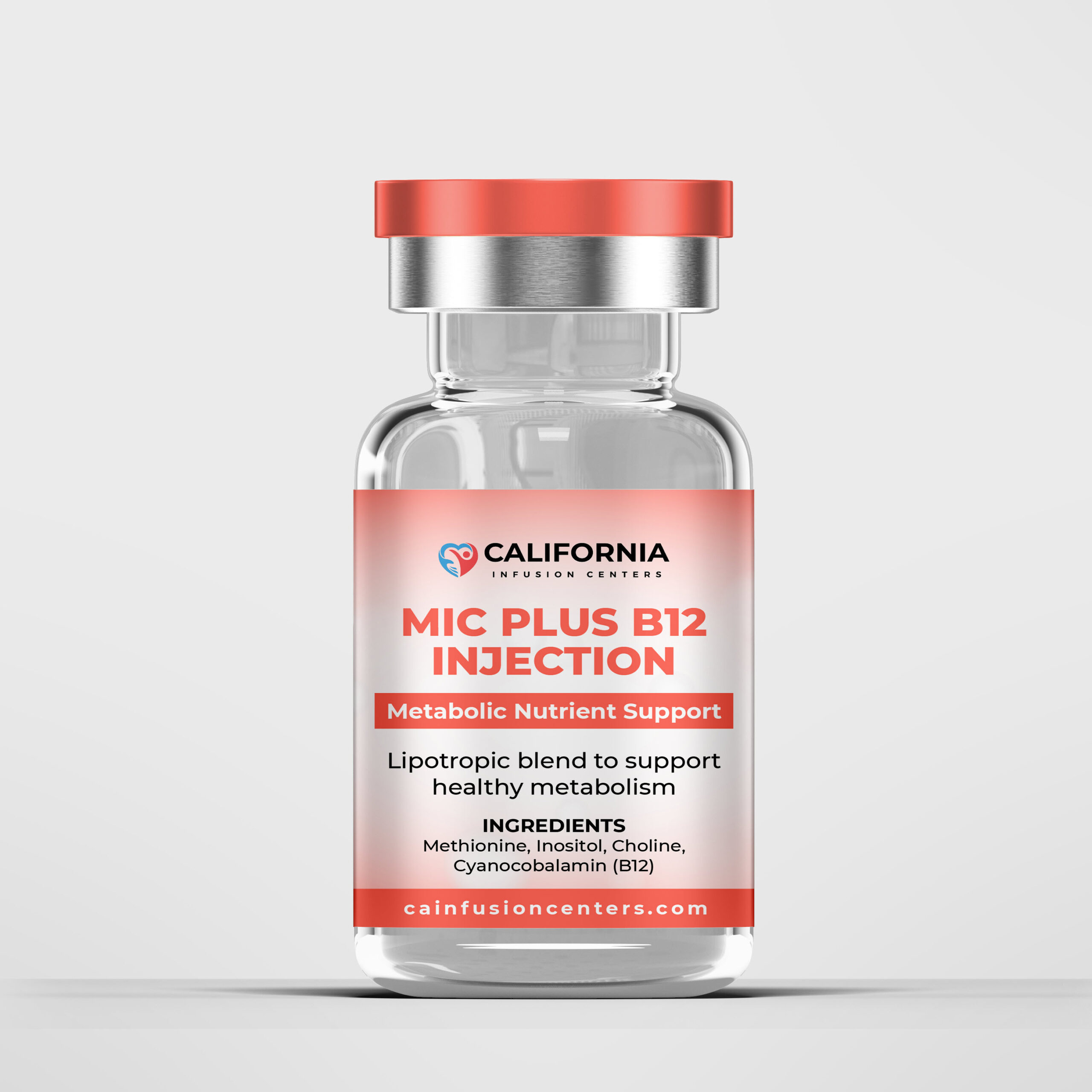
“Lipo shot” blends can include combinations aimed at energy metabolism and fat pathways. Because names differ by brand, the safest quality signal is a product that provides ingredient transparency (not just a catchy name) and a dose you can understand.
Quality signals I look for (and recommend you look for) include:
- Clear labeling for each ingredient and its amount.
- Evidence of sterile handling (clinic procedure, not just marketing).
- Reasonable dosing schedules based on deficiency assessment, not only “a package deal.”
- No pressure to repeat immediately without discussion of labs or risks.
Comparison of Common Options
| Format | Typical Dose/Use | Pros | Cons | Cost | Best For |
|---|---|---|---|---|---|
| B12 injection (IM) | Often 1000 mcg per visit; schedule varies | Useful for deficiency; clinician-supervised | Injection-site soreness; timing isn’t instant | ~$25–$150 per shot (varies by clinic) | People with suspected/confirmed low B12 |
| B12 injection (SC) | Often 1000 mcg; may be easier on some bodies | May be less intimidating than IM for some | Still requires sterile technique | ~$25–$150 per shot (varies) | People who want injectable B12 with careful supervision |
| “Lipo” shot blend (mixed ingredients) | Often packaged as a weekly or “series” shot | Some report appetite/energy effects | Ingredient transparency varies; mixed evidence | ~$50–$250 per shot/bundle | People who understand the ingredients and still want to try |
| Oral B12 (tablets/sublingual) | Often 500–1000 mcg daily or several times weekly | Lower hassle; no injection-site issues | May be slower if you’re very low; some need injections | ~$10–$40 per month (varies) | People who prefer non-injection options or are testing tolerance |
| Nutrient “energy” cocktails (B12 + other vitamins) | Varies; often a multi-vitamin shot series | May cover multiple deficiency gaps | Hard to attribute results to B12 specifically | ~$50–$200 per session | People who want a broader micronutrient approach with oversight |
Buying Framework and Red Flags
If you’re trying to answer do B12 and lipo shots really work for you, treat it like a consumer test: clarity first, then results, then safety. Here’s a checklist you can use before you pay.
- Ingredient list: Does the clinic/product name every ingredient and dose?
- Expected timeline: Do they describe realistic “weeks not days” outcomes for symptoms?
- Lab conversation: Do they discuss B12 testing (or at least whether testing makes sense)?
- Risk disclosure: Do they mention potential side effects and when to stop?
- No guarantees: If they claim guaranteed fat loss or instant transformation, leave.
- Injection protocol: Are you told how it’s administered (IM vs SC), where it’s injected, and sterile handling?
- Price transparency: Do they clearly list per-shot cost vs series cost?
- “Lipo” vagueness: If “lipo” ingredients are never specified, don’t assume B12 is the only component.
Common Mistakes and How to Avoid Them
The most common mistake is expecting B12 and lipo shots to do everything. In practice, shots are a small part of a larger picture. Another mistake is “stacking” without tracking—trying two new supplements and then crediting whichever one felt good.
Here’s what to avoid:
- Starting without baselines: If you don’t measure sleep, steps, and how you eat, you can’t tell what changed.
- Ignoring side effects: Injection swelling, hives, or worsening anxiety/jitters aren’t “just normal.” Stop and get guidance.
- Only tracking the scale: Water retention, menstrual cycle shifts, and sodium can mask progress. Track energy and habits too.
- Skipping other deficiency checks: Fatigue can be iron/ferritin, thyroid-related, vitamin D-related, or stress-related.
- Assuming “more shots = more results”: That can increase cost and exposure without improving outcomes.
FAQ
1) Is it proven that B12 and lipo shots really work?
B12 injections are better supported when you’re actually deficient; they can help symptoms related to low B12 over time. “Lipo” shots are more variable because ingredients and dosing differ, and broad claims like reliable fat loss aren’t consistently supported.
2) How long does it take for B12 shots to work for energy?
Some people notice changes within days, but more meaningful symptom shifts (and lab movement) often take 1–4 weeks. If you feel nothing after a couple of weeks, it may not be the right lever for your situation.
3) What are the side effects of B12 and lipo shots?
Common issues include injection-site soreness or bruising, and occasional headaches or mild nausea. With “lipo” blends (mixed ingredients), some people report jitteriness or stronger reactions depending on the formula. Stop and seek help for hives, swelling, or severe symptoms.
4) Can I combine B12 and lipo shots with other supplements?
Sometimes yes, but it depends on what’s in your “lipo” shot and what else you’re taking. If the blend contains multiple active compounds, mixing can increase side effects or duplicate ingredients. Ask the provider for the ingredient list and compare it with what you already use.
5) Are oral B12 or injection lipo shots better for results?
Oral B12 can be effective for many people and may be a good first step if you prefer avoiding injections. Injections may be more appropriate when B12 is significantly low or when oral approaches don’t work. “Lipo shots” are a different category because evidence and ingredient mixes vary.
A Practical 2-Week Experiment Framework
If you want to know whether do B12 and lipo shots really work for you personally, run a simple two-week test with realistic expectations and careful tracking. This isn’t about chasing miracles; it’s about observing changes.
- Day 1 (baseline): Write down your sleep hours, caffeine, steps, how you feel (energy 1–10), and any symptoms like headaches, jitters, or fatigue. Also note your menstrual timing if applicable.
- Day 2–3 (stability): Keep diet and activity consistent. Don’t start three new supplements at once.
- Injection day (or start date for oral): Record the exact product name, ingredients, and dose. If it’s a shot, note IM vs SC.
- Days 1–7 check-in: Track side effects twice daily (especially injection-site reaction, nausea, anxiety/jitters, and headache).
- Days 8–14 check-in: Rate energy again and compare to baseline. Also check for appetite changes or cravings without assuming it equals fat loss.
- Decision point: If you felt no meaningful changes and had side effects, you have evidence it may not be worth repeating. If you had mild positive changes and minimal side effects, you can discuss next steps with your provider.
Red flag rule for the experiment: if you experience allergic-type symptoms (hives, swelling), worsening symptoms, or severe reactions, stop the plan and seek medical guidance.
About the Author
I’m Jordan Lee, a consumer-review writer and lab-results translator who focuses on explainable wellness products for young women—especially areas where marketing can outpace evidence. Over the past several years, I’ve reviewed injection-based and supplement products, tracked real-world outcomes from readers’ shared experiences, and compiled risk-and-reality checklists for “energy,” “fat loss,” and “deficiency support” claims.
Disclaimer: This article is for informational purposes and reflects a consumer-review style perspective. It isn’t medical advice, and it doesn’t diagnose or treat any condition. If you’re considering B12 shots, “lipo” shots, or combining them with other supplements, discuss your goals, ingredients, and any relevant lab work with a qualified healthcare professional—especially if you have symptoms that could point to an underlying issue.
Discussion