B12 And Mic Injection Is mic B12 worth it?
Is Mic B12 Worth It? A Young Woman’s Cautious Review of Dosage, Quality, and Real-World Results
“Is mic B12 worth it?” is showing up more often in searches from young women who want to feel like themselves again—more steady energy, fewer “why am I tired?” days, and a routine that’s easy to stick with. The keyword gets attention because B12 sits at the crossroads of fatigue, diet (especially for those eating less animal-based foods), and absorption questions. If you’ve ever felt low-energy, brain-foggy, or “off” and wondered whether B12 could be part of the explanation, it makes sense that people are comparing forms and brands.
Still, the consumer reality is this: Mic B12 isn’t a magic switch. Whether it’s worth it depends on the form you’re buying, the dose you’re actually getting, your starting B12 status, and what else could be causing symptoms (sleep debt, iron deficiency, thyroid issues, stress, and more). This article reads like a careful consumer review—practical, a bit skeptical, and focused on what you can reasonably expect.
What Is mic B12 Is and Who It Might Fit Best
“Mic B12” is usually used as a product shorthand for a B12 supplement sold in a particular format—often designed to be convenient compared with standard tablets. Depending on the brand, it may be marketed as a methyl- or micro-form (methylcobalamin is a common B12 variant), and it may be offered in sublingual, oral, chewable, or sometimes injectable-style regimens (even if the product itself is not a true injection).
In plain terms, Mic B12 is most likely to fit you if:
- You have dietary patterns that can make B12 intake lower (for example, predominantly plant-based diets without reliable fortified foods).
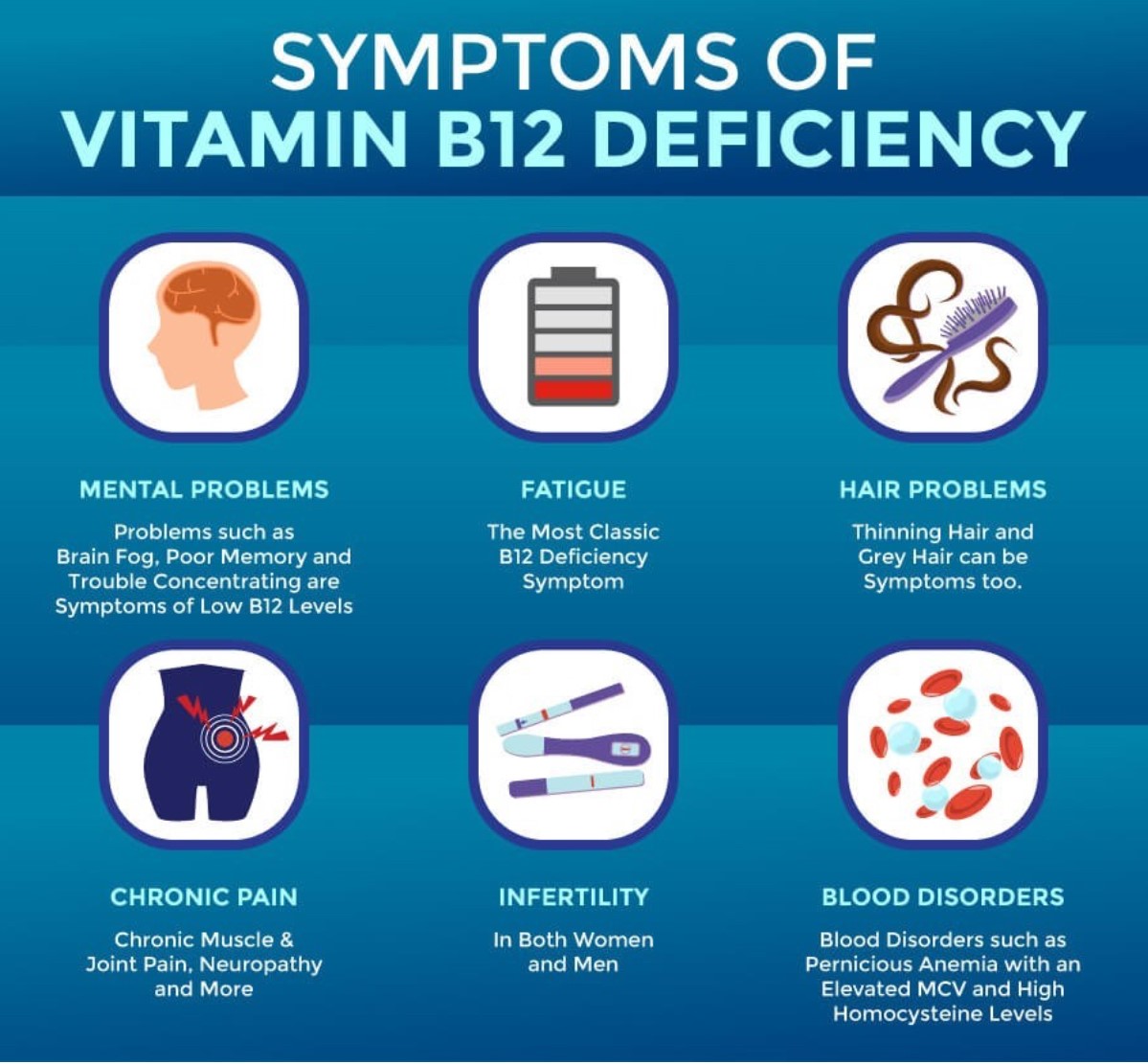
- You’re experiencing mild symptoms people often associate with low B12 (fatigue, reduced energy, occasional tingling sensations), but you want to avoid guessing too long.
- You dislike traditional pills and want something easier to take consistently (consistency matters more than marketing claims).
- You’ve had labs showing low or borderline B12 and you’re trying to raise it gradually.
If you already know your B12 levels are normal, “is mic B12 worth it?” becomes more about whether you want to maintain, not fix. That’s a different decision—and sometimes the answer is no, or “not yet.”
Practical Benefits and Where It Falls Short
The appeal of mic B12 is usually practical: it’s simple, it’s marketed for everyday use, and many users report that a routine feels doable. A cautious consumer review, though, should separate “I felt something” from “B12 was the cause.”
Personal experience case (a realistic “it helped” story):
A friend of mine (mid-20s, young woman, vegetarian for years) started asking, “Is mic B12 worth it?” after she kept dragging through afternoons and blamed herself for not exercising hard enough. She ordered a Mic B12 product and tracked a basic routine for about two weeks: daily dosing at the label amount, taken consistently with water. Around week two, she noticed fewer “crash” afternoons and improved focus during meetings. When she later got labs rechecked (still within her normal healthcare pathway), her B12 markers had moved from low/borderline toward improved. Her takeaway wasn’t that B12 fixed everything—it was that the supplement lined up with a real deficiency and her improvement followed a timeline that made sense.
Negative case (where it didn’t match the problem):
Another case: a young woman in her early 20s tried mic B12 because she felt tired and “flat,” and she wanted an easy win. She took it daily for three weeks but saw minimal change beyond a small placebo-like sense of “I’m doing something.” When she eventually pursued deeper evaluation, the likely driver was iron deficiency (low ferritin) and sleep fragmentation. In her situation, mic B12 didn’t fail because it was “bad”—it failed because the root cause wasn’t B12. This is the part many reviews skip: if you’re low in one nutrient but not another, taking the wrong one can feel like paying for disappointment.
Practical benefits people often report with mic B12 include:
- More predictable energy for some users (especially if they were low).
- Improved “brain fog” sensations for some people after consistent use.
- Convenience when compared with complicated supplement stacks.
Where mic B12 tends to fall short is expectation management:
- If your B12 is already normal, benefits may be subtle or absent.
- If iron, vitamin D, thyroid, or sleep issues dominate, mic B12 may not noticeably change symptoms.
- Some people stop early after “not enough change” because they didn’t allow the timeline B12 typically needs.

What Research Suggests and What It Doesn't
Here’s the evidence-focused way to think about mic B12. B12 is a vitamin that your body uses for red blood cell formation and nervous system support. When B12 is actually low, supplementation can help correct deficiency over time. That’s the core rationale behind why people ask “is mic B12 worth it?” in the first place.
What research can suggest (in general terms) is that replacing B12—especially if you’re deficient or borderline—can improve certain lab measures and, in many cases, help symptoms associated with deficiency. However, studies vary by:
- The specific B12 form used (methylcobalamin, cyanocobalamin, and other variants).
- The starting baseline of B12 in participants.
- The route (oral/sublingual vs injections) and dosing strategy.
- The length of follow-up (you may not see dramatic changes immediately).
What research doesn’t support well is blanket promises like “it will fix fatigue for everyone” or “mic B12 is guaranteed to work faster than pills.” Also, some people confuse correlation (“I felt better while taking it”) with causation (“B12 was the cause”). In consumer language: it can help, but it can also disappoint if the deficiency isn’t real or the timeline isn’t appropriate for your situation.
Risk-wise, B12 is generally considered safe for many people at typical supplemental doses. Still, “generally safe” doesn’t mean “ignore side effects.” If you notice unusual reactions (skin changes, persistent upset stomach, or anything that worries you), stop and reassess your plan with a clinician.
Ingredients, Formats, and Quality Signals
The label details matter more than the brand name when you’re trying to decide if mic B12 is worth it. Before you buy, look for:
- Clearly stated B12 form: methylcobalamin or cyanocobalamin is commonly listed. If the label is vague, it’s a yellow flag.
- Exact dose per serving: micrograms (mcg) or milligrams (mg). Don’t rely on “high potency” language alone.
- Serving size and schedule: how many tablets/melts per day to reach the stated dose.
- Inactive ingredients: dyes, sweeteners, fillers, or allergens you may want to avoid.
- Quality signals: third-party testing, GMP manufacturing, and transparent contact/manufacturing info.
Common mic B12 formats you’ll see:
- Sublingual melts/strips: taken under the tongue; often marketed as convenient for absorption.
- Oral capsules/tablets: the simplest option; easy to track dosing.
- Chewables: sometimes preferred by people who dislike swallowing pills.
- Liquid drops: flexible dosing, sometimes easier for those who measure.
- Injectable-style regimens (not always the same as a supplement): true injections require medical guidance; don’t substitute a supplement for a prescribed injection plan.
Quality standards to prioritize (especially if you care about results without hype):
- Batch/lot transparency and testing for potency.
- No “proprietary blend” hiding the actual B12 amount.
- Clear expiration dates and reputable sourcing claims that are consistent across the label.
- Realistic labeling: dose listed in mcg, not only trendy marketing descriptors.
If the product is priced like a premium but offers weak labeling (unclear B12 form, vague dosages, or missing quality information), that’s not “worth it” energy—that’s risk.
Comparison of Common Options
| Format | Typical Dose/Use | Pros | Cons | Cost | Best For |
|---|---|---|---|---|---|
| Sublingual methyl B12 (mic B12-style) | ~250–1000 mcg daily or every other day | Easy routine; often convenient to take | May cost more than basic tablets; label details vary | $10–$35 for ~30–60 servings | Busy schedules + those who dislike swallowing pills |
| Oral B12 capsules/tablets (cyanocobalamin or methyl) | ~250–1000 mcg daily | Usually straightforward dosing; often cheaper | Some people prefer melt/undertongue; absorption concerns depend on you | $8–$25 for ~30–90 servings | Budget-conscious buyers; people who track adherence |
| Liquid B12 drops | ~500–1000 mcg per serving (varies by product) | Adjustable dosing; easier for picky pill takers | Potential taste/sugar issues; dose accuracy depends on measuring | $12–$40 for ~30 servings | People who want flexible dosing or hate pills |
| “Active/advanced” B12 blends (B12 + other nutrients) | Often B12 ~250–1000 mcg plus extras (like folate) | May cover multiple gaps at once | Harder to know which ingredient helped (or didn’t) | $20–$60 for ~30–60 servings | If you also need complementary nutrients (and can tolerate them) |
| Clinician-guided B12 injections (alternative route) | Varies by plan; given under medical supervision | Useful for confirmed deficiency or absorption problems | Not a DIY supplement swap; appointments add cost/time | $50–$200+ depending on care setting | People with diagnosed deficiency or specific absorption issues |
Buying Framework and Red Flags
If you’re trying to decide whether mic B12 is worth it for you, use this checklist like a consumer filter. You’re not looking for hype—you’re looking for clarity.
- Red flag: The label doesn’t clearly state the B12 form (methylcobalamin/cyanocobalamin).
- Red flag: The B12 dose isn’t listed in mcg per serving.
- Red flag: The product uses a proprietary blend that hides the B12 amount.
- Red flag: No mention of manufacturing standards (like GMP) or third-party verification.
- Red flag: “Instant energy” promises or cure-style marketing language.
- Red flag: Pricing that seems too good to be true without any quality documentation.
- Green flag: Clear directions (how many per day) and a realistic serving schedule.
- Green flag: Third-party testing or reputable quality standards you can reference.
- Green flag: Ingredients are listed plainly, including potential allergens or fillers.
Also consider the “total stack” situation. If you already take a multivitamin that includes B12, adding mic B12 on top may increase your intake without improving your outcome. More isn’t automatically better when the goal is targeted deficiency correction.
Common Mistakes and How to Avoid Them
- Mistake: Starting without any baseline plan.
Fix: Decide whether you’re supplementing because of diet, symptoms, or labs—then choose your expectation accordingly. - Mistake: Testing in the short term.
Fix: Give a reasonable trial window (often 2–4 weeks for early observations, longer for lab-level change) while tracking symptoms. - Mistake: Overlooking other common drivers of fatigue.
Fix: If fatigue persists, consider checking iron/ferritin, vitamin D, sleep patterns, and thyroid with a clinician. - Mistake: Combining multiple “energy” supplements without structure.
Fix: Keep variables stable. Change one factor at a time so you can interpret what’s happening. - Mistake: Ignoring the dose instructions.
Fix: Follow the label. If you’re taking half the dose “because you’re scared,” you may under-dose relative to your goal.
FAQ
Is it proven that mic B12 helps with fatigue in young women?
It’s more accurate to say: B12 supplementation can help when someone is deficient or borderline. If your B12 status is normal, “is it proven” benefits are less consistent, and fatigue can be caused by many other factors. Evidence tends to support replacement for deficiency rather than universal fatigue elimination.
How long does mic B12 take to work if I start a daily routine?
Many people notice something within a few weeks, but “notice” doesn’t always mean full correction. For symptoms, a reasonable early window is around 2–4 weeks with consistent use; for lab changes and longer-term improvement, it can take longer. If nothing changes after a structured trial (and your product is properly dosed), the issue may not be B12.
What side effects might happen from mic B12?
Side effects are usually uncommon at typical supplemental doses, but some people report mild issues like stomach upset or skin-related reactions. If you develop unusual symptoms—especially persistent or severe ones—stop the product and consult a healthcare professional.
Can I combine mic B12 with other vitamins or supplements?
Often, mic B12 can be combined with a multivitamin or other nutrients, but the biggest risk is unintended overlap (getting multiple products with B12) and confusing what’s causing changes. If you’re taking prescription medications or have a medical condition, it’s smart to check interactions with a clinician or pharmacist.
Is oral mic B12 as good as injection or other alternative routes?
In many cases, oral forms can work for replacement, but injections may be used when absorption is impaired or deficiency is severe—decisions should be guided by diagnosis and a clinician’s plan. The “best route” depends on your specific situation, not only on the product name.
A Practical 2-Week Experiment Framework
If you’re wondering “is mic B12 worth it?” the most honest approach is a short, structured experiment—without promising yourself results.
- Baseline (Day 1): Track 3 things: energy level (0–10), focus clarity (0–10), and any symptoms you’re targeting. Write down sleep length and stress level (quick notes are enough).
- Choose one product + one dose: Use the labeled dose of mic B12 consistently. Don’t change your routine mid-trial.
- Timing: Take it at the same time each day. If it upsets your stomach, try taking it with food (or switch timing) rather than doubling down.
- Avoid confounders: For these two weeks, keep other supplements steady. If you’re adding mic B12, don’t also add a new “energy stack.”
- Check-in (Days 7–8): Look for early signals, like fewer late-afternoon crashes or steadier mood. If nothing changes yet, that can still be normal—don’t declare failure too early.
- Final check (Day 14): Compare your Day 14 notes to Day 1. If there’s no meaningful change and your B12 was never known to be low, it may not be worth continuing.
- Decision rule: Continue only if you see a reasonable improvement pattern or if you’re working from confirmed low/borderline B12.
For budgeting realism: if your mic B12 costs around $20–$35 per month, treat the trial like a test. If it doesn’t help and quality signals are weak, you’re not “failing”—you’re learning what doesn’t work for your body.
About the Author
Nora Patel is a wellness-focused content editor who has spent several years reviewing women’s health supplement claims for clarity, dosing transparency, and realistic expectations. Her work emphasizes consumer-level decision making: what’s on the label, how long it typically takes to notice changes, and when symptoms may point to something other than a single nutrient gap. She does not provide medical care, and nothing in this article is a substitute for professional medical advice. If you have persistent or worsening symptoms, consider discussing them with a clinician before continuing any supplementation plan.
Discussion