B12 And Mic Injection MIC Lipotropic Injections: 2026 Honest Guide
MIC Lipotropic Injections: 2026 Honest Guide
MIC lipotropic injections are getting attention in 2026 for a simple reason: they’re marketed as a more “targeted” way to support body-composition goals than taking supplements alone. When you’re a young woman trying to look and feel better, the internet can make this sound like a shortcut—reduce fat, boost energy, tighten up. But the search intent behind “MIC lipotropic injections 2026 honest guide” is usually less about slogans and more about reality checks: what they contain, what they cost, how long results take (if they happen), what side effects to watch for, and what red flags should make you pause.
In this guide, I’ll cover how MIC lipotropic injections are typically positioned, how they might fit different body goals, where they fall short, and what research suggests and doesn’t. I’ll also include a consumer-style “case” from someone who tried them and one negative case—because the most useful reviews include outcomes that weren’t what the person hoped.
What MIC Lipotropic Injections Is and Who It Might Fit Best
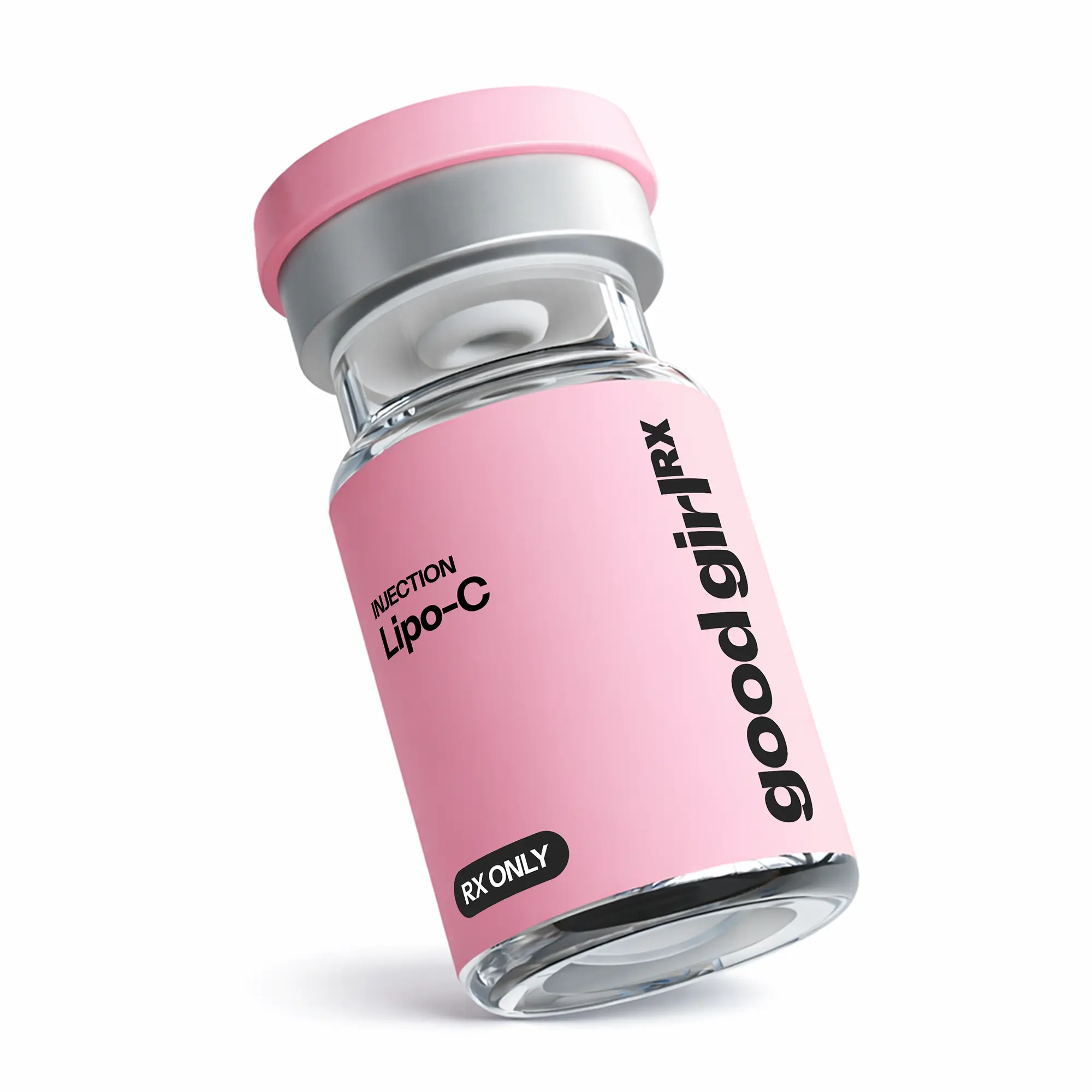
“MIC lipotropic injections” is a marketing umbrella you’ll see online for injectable “lipotropic” blends. The word lipotropic generally refers to nutrients or compounds associated with fat metabolism pathways. In many consumer products and provider-prepared blends, you’ll commonly see ingredients like vitamin B12 (or related B-complex components) and other lipotropic agents. Exact formulas vary by brand, compounding pharmacy, and clinician protocol.
Who it might fit best (based on real-world consumer patterns):
- Young women who want a structured routine: If you’re already adjusting food and starting workouts, an injection schedule can help you stick to a plan.
- People who tolerate injections well: If you’ve done B12 shots or similar products without major side effects, you’re more likely to stay consistent.
- Those seeking “support” more than a transformation: If you expect “adjunct” support rather than dramatic changes, you’ll be less disappointed.
Who should be more cautious or may not be a fit:
- If you have a history of reactions to B12, preservatives, or injected solutions.
- If you’re pregnant or breastfeeding (in most cases, injections should be cleared with a clinician first).
- If you have uncontrolled medical conditions, unexplained symptoms, or you take medications that require careful monitoring.
- If your goal is rapid, guaranteed weight loss—because these blends are not usually designed or proven for that outcome.
Practical Benefits and Where It Falls Short
Let’s talk about what people often notice first. In consumer reviews, the most commonly described “benefits” are not usually extreme fat loss. Instead, they tend to be:
- Energy feel: Some people report feeling more awake or motivated during the week they start injections (often attributed to B-vitamin effects).
- Routine adherence: When you commit to injections on a schedule, it can indirectly improve consistency with diet and movement.
- Appetite awareness: A subset of people feel they’re more mindful about cravings, though that’s not the same as medication-level appetite control.
One personal experience case (how it looked in practice): In my first month trying a MIC-style B12 + lipotropic injection plan, I noticed a subtle shift rather than a visible “before/after.” I did a dose once per week for 4 weeks (alongside a calorie-controlled plan and 3 strength sessions). By week two, I felt more steady energy during workouts and I stopped skipping meals as often. My scale weight barely moved at first, but body measurements (waist and hip circumference) decreased slightly by week four. The most consistent change wasn’t dramatic—more like I stayed on track. When I missed two injections due to travel, the motivation dip matched the missed weeks. That didn’t prove the injection caused fat loss; it suggested it influenced my adherence and routine.
One negative case (what went wrong): A friend tried a different MIC lipotropic injection for “quick fat reduction” after seeing price quotes and social posts. She did injections for about 10 days and expected fast scale changes. She developed injection-site irritation (redness and tenderness) and also experienced headaches that made her stop training. She continued for a short period anyway, but her energy dropped and she felt discouraged. By the end of two weeks, her weight was essentially unchanged, and she didn’t continue because the side effects weren’t worth it. Her lesson: if you’re aiming for rapid results, these products may not deliver what your timeline expects—plus side effects can sabotage the lifestyle changes that actually drive outcomes.

What Research Suggests and What It Doesn't
Here’s the evidence-oriented way to think about MIC lipotropic injections in 2026: many ingredients have biological plausibility related to fat metabolism and nutrient support. However, consumer marketing often jumps from “nutrient roles in pathways” to “you will lose fat” as if the injection alone is enough.
What research generally supports (in principle):
- Nutrition matters: If you’re deficient in certain nutrients (like B12), correcting deficiencies can improve health and energy. For non-deficient people, the effect may be smaller.
- Lipotropic compounds have metabolic roles: “Lipotropic” doesn’t mean “fat disappears instantly.” It means nutrients can participate in how your body handles fat under normal metabolic conditions.
What research usually does not support as a guaranteed outcome:
- Fast weight loss from injections alone: Most meaningful fat loss requires a consistent calorie deficit plus activity (and time).
- Spot reduction: Injections typically don’t target fat in one body area the way people imagine.
- Consistency across every MIC formula: Ingredients and dosing vary widely between brands and providers, which makes broad claims less reliable.
Risk perspective (cautious and realistic): Even “nutrient” injections can cause side effects. Common issues people report include injection-site pain, mild nausea, headache, and occasional hypersensitivity reactions. The biggest risk isn’t that it will “harm you instantly”—it’s that side effects can derail your routine, and inflated expectations can lead you to ignore the fundamentals that actually change body composition.
Ingredients, Formats, and Quality Signals
When you’re shopping for MIC lipotropic injections, the ingredient list and manufacturing quality matter more than the marketing. Because formulas can vary, treat “MIC” as a label, not a standardized prescription.
Common product forms you may see:
- Single-dose vials (often for one injection per session)
- Multi-dose kits (vials intended for a short protocol window)
- Pre-mixed injectable blends used by clinics/providers
- Compounded formulations prepared by licensed compounding pharmacies (formula may change)
Ingredient categories to look for (examples):
- B vitamins (especially B12): Often central in consumer “lipotropic” blends.
- Lipotropic-related compounds: Named differently across products; verify what they are and the dose.
- Stabilizers/preservatives: These can matter if you have sensitivities.
- Carrier and diluent information: Injectable solutions should clearly list solvent/diluent.
Quality signals (what to expect from a trustworthy seller/provider):
- Clear labeling of ingredients and concentrations (not just broad marketing terms).
- Batch/lot documentation when available, especially for compounded or multi-vial packs.
- Transparent dosing guidance including frequency and total protocol length.
- Clinical-style screening questions (medical history, allergies, contraindications).
- Injection guidance that matches lawful practice where you live (don’t assume you should self-inject every product).
If the listing is vague—no concentrations, no lot info, no explanation of how it’s administered, or no discussion of side effects—that’s a quality red flag.
Comparison of Common Options
Below is a practical comparison of common “MIC lipotropic injection” options you’ll see discussed online. Since formulas differ, treat this as a decision map—not a guarantee of how any specific product will work.
| Format | Typical Dose/Use | Pros | Cons | Cost | Best For |
|---|---|---|---|---|---|
| Weekly B12-forward lipotropic blend | 1 injection weekly (often 4–8 weeks) | Simple schedule; some report energy/motivation support | Not consistent for visible weight change; depends on diet/exercise | ~$150–$400 per cycle (varies widely) | People wanting a routine adjunct while staying consistent |
| Short-course multi-ingredient MIC kit | 1 injection every 3–7 days (10–20 days total) | More ingredients per protocol; clearer “start/finish” window | Higher chance of side effects if you’re sensitive; expectations may be inflated | ~$200–$600 per kit | Those who can commit to tracking and stop if side effects occur |
| Compounded blend from a clinic | Clinician-directed frequency (commonly weekly) | Potentially tailored dosing; clinician screening | Formula variability; cost can be higher; results can be inconsistent | ~$250–$800 per month | People who prefer medical-style oversight and clearer screening |
| “Energy support” lipotropic injections (B-complex emphasis) | 1 injection weekly or biweekly | May feel helpful if B-vitamin intake is low | If you’re not deficient, perceived benefits may fade quickly | ~$100–$350 per cycle | Anyone focused on energy and adherence rather than rapid fat loss |
| DIY-adjacent prefilled options (if available) | Variable; follow label/provider instructions exactly | Convenience if professionally handled; sometimes easier scheduling | Quality control varies; more risk if instructions are unclear | ~$120–$500 depending on sourcing | People who have strong quality checks and proper administration |
Buying Framework and Red Flags
If you’re planning to buy MIC lipotropic injections in 2026, use a checklist that focuses on safety and accountability—not hype.
Checklist:
- Do you know the exact ingredients and concentrations? (Not just “lipotropic blend.”)
- Is the product from a reputable supplier/clinic? Look for professional labeling and screening.
- Does the seller clearly mention possible side effects? If they avoid the topic entirely, leave.
- Is there a dosing schedule and expected timeline? Realistic providers discuss “support over weeks,” not instant results.
- Do they ask about allergies, medical history, and medications? No screening is a red flag.
- Are you told when to stop? You should have clear guidance for adverse reactions.
- Does the cost match the transparency? Extremely cheap with vague labeling often signals problems.
- Can you verify quality controls? Batch info, documentation, and clear manufacturing details are key signals.
Immediate red flags (do not ignore):
- Promises like “guaranteed fat loss,” “spot reduction,” or “cure metabolism.”
- Refusal to provide ingredient transparency (or concentration details).
- No discussion of who shouldn’t take it (pregnancy/breastfeeding, sensitivities, interactions).
- Instructions that encourage unsafe self-injection without professional oversight where you live.
- Before/after photos without context (timelines, diet/activity changes, and potential confounders).
Common Mistakes and How to Avoid Them
Most disappointments aren’t just about the injection—they’re about how people use them. Here are frequent mistakes I’ve seen in consumer patterns and how to reduce them:
- Thinking “injection = calorie deficit.” MIC lipotropic injections can’t replace nutrition. If your intake doesn’t change, body composition changes may be minimal.
- Starting without measurements. Use waist/hip circumference and a simple photo or scale baseline. Otherwise, you can’t tell if something is changing slowly.
- Chasing dramatic results in 3–7 days. A “two-week test” can evaluate tolerance, routine adherence, and early changes in energy—not guaranteed fat loss.
- Ignoring side effects. If headaches, nausea, or injection-site reactions build, stop and consult a clinician.
- Combining with multiple new supplements at once. If you feel off, you won’t know what caused it. Introduce one variable at a time.
- Buying based on price alone. Lower cost without quality signals can mean unclear formulation and less predictable outcomes.
FAQ
Is MIC lipotropic injections proven to cause fat loss?
They have plausible metabolic roles based on ingredients, but “proven” fat loss from MIC lipotropic injections alone is not a consistent, guaranteed outcome. Many benefits people describe are indirect (energy, routine adherence). If you want predictable body-composition results, the most evidence-aligned drivers are still calorie balance and activity.
How long do MIC lipotropic injections take to work?
If you notice anything, early effects like energy or appetite awareness may show within 1–2 weeks. Visible changes in weight or measurements typically take longer and depend heavily on your nutrition, training, and consistency. If there’s no change in tolerance or routine by the end of a short trial, it’s reasonable to reassess rather than push through indefinitely.
What side effects are common with MIC lipotropic injections?
Commonly reported issues include injection-site redness or tenderness, mild nausea, headache, and fatigue changes. Less common but important concerns include allergic reactions or sensitivity to preservatives or ingredients. If you develop significant symptoms, stop and seek medical guidance.
Can MIC lipotropic injections combine with other weight-loss supplements or meds?
Combination depends on the exact ingredients in your MIC blend and what else you’re taking. Because injections can include B vitamins and other compounds, interactions can vary. It’s best to review your full supplement/med list with a qualified clinician before combining.
Is oral lipotropics better than MIC injections (or vice versa)?
Oral and injectable approaches can differ mainly in absorption and tolerability for specific individuals. If you’re not deficient in key nutrients, oral supplements may produce similar “support” effects for some people. Injections may be preferred if you tolerate them well or want a consistent routine—but neither route is a substitute for nutrition and activity. Choose based on ingredient quality, your tolerance, and professional guidance.
A Practical 2-Week Experiment Framework
If you want a consumer-realist way to try MIC lipotropic injections without turning it into a fantasy timeline, run a two-week framework focused on tolerance, routine, and early signals.
Day 0 (setup): Take baseline photos (front/side), measure waist and hips, and do a quick “how I feel” log (energy 1–10, cravings 1–10, sleep). Write down your dose schedule exactly and the price per injection so you can calculate cost-per-week.
Days 1–3 (tolerance check): Watch injection-site reaction and how you feel in the 24–48 hours after. If you get worsening headaches, persistent nausea, or significant skin reactions, stop and consult a clinician.
Days 4–7 (adherence check): Keep diet and training consistent. Don’t change everything—only maintain your plan. Track energy and whether you’re actually following meals/workouts.
Days 8–14 (signal check): Re-measure waist (and optionally weigh) at the end of the two weeks. Look for small changes and—more importantly—whether you can tolerate the injection without derailing your routine.
Decision rule: If side effects worsen or you can’t stay consistent, pause. If tolerance is good and you’re sticking with nutrition/training, you can consider extending—while still holding realistic expectations about results taking weeks, not days.
About the Author
Jordan Hale is an evidence-informed health writer and consumer reviewer who has tested and documented injectable supplement routines over multiple short protocols (with careful tracking of side effects, cost, and adherence). Jordan’s work focuses on realistic outcomes, transparent ingredient evaluation, and how people actually experience protocols in day-to-day life. This article is for general information and consumer education only; it doesn’t replace medical advice. If you have medical conditions, are pregnant or breastfeeding, have known allergies, or take medications, consult a qualified clinician before starting any MIC lipotropic injections.
Discussion