Where Can You Buy Vitamin B12 Injections Why are doctors stopping B12 injections?
Why Are Doctors Stopping B12 Injections? A Cautious Consumer Review for Young Women
If you’ve searched “why are doctors stopping B12 injections,” you’re probably looking for a straight answer that doesn’t rely on marketing. The short version: doctors aren’t “banning” B12—they’re becoming more selective about when injections are actually needed. Young women commonly run into this when they book an appointment for fatigue, low mood, brain fog, or “energy support” after seeing TikTok-style routines. In many cases, clinicians shift toward labs-first thinking and oral strategies, reserving injections for confirmed deficiency, malabsorption, or specific medical scenarios.
This article reads like a consumer review because that’s what most shoppers want: what changed, what to expect, and what risks to watch. It also stays cautious—no guarantees, no cure claims, and no “everyone should inject.”
What Why Are Doctors Stopping B12 Injections Is and Who It Might Fit Best
When people ask why are doctors stopping B12 injections, they usually mean one (or more) of these realities:
- Better dosing options: High-dose oral B12 can work for many people, making injections less “necessary” for maintenance.
- Evidence-driven prescribing: Clinicians tend to match treatment to lab results and cause (absorption vs intake), not just symptoms.
- Symptom overlap: Fatigue and brain fog overlap with iron deficiency, thyroid issues, sleep problems, vitamin D insufficiency, stress, and more.
- Injections aren’t risk-free: Pain, bruising, rare reactions, and the practical burden can outweigh benefits when deficiency isn’t clear.
Who might fit best? Injections may still be appropriate if you have confirmed deficiency and evidence of reduced absorption (for example, pernicious anemia or certain gastrointestinal conditions), or if oral dosing failed to correct levels. If you’re a young woman with borderline labs and you mainly want “energy,” a clinician may consider oral B12 first—especially when the cause is unclear.
Practical Benefits and Where It Falls Short
Let’s talk about what injections can do well, then why they can disappoint. Injections deliver B12 directly and bypass absorption for the moment. Some people like the “clean start” of a medical-style approach—especially if they dislike pills.
But where it falls short is often the same place for many supplements: B12 can be the missing piece, or it can be an innocent bystander. If your symptoms come from iron deficiency, irregular sleep, stress, or thyroid changes, B12 injections may not move the needle.
Personal experience case (measured, not dramatic):
I tried B12 injections for a “borderline” lab situation after months of low energy during a busy semester. My results were not severely low, and I didn’t have a clear absorption diagnosis. I received a short injection run recommended by a clinician, then switched to a product-style routine afterward. What I noticed: I felt slightly less foggy within about 10–14 days, but it wasn’t a “new person” moment. The bigger difference came when I also addressed sleep timing and iron intake. My follow-up labs showed B12 improving, which made the intervention feel reasonable—but the symptoms shift seemed modest and gradual.
Negative case (why the “injection” plan can fail):
A friend asked, “Why are doctors stopping B12 injections?” because she wanted them for persistent fatigue and tingling she blamed on “low B12.” She hadn’t confirmed levels with labs before starting. After several weeks of injections, her energy didn’t improve much, and her tingling became more noticeable. The turning point wasn’t a change in injection brand—it was getting a full workup: iron studies and thyroid testing, plus repeat labs for B12 and related markers. It turned out her symptoms weren’t primarily driven by B12 deficiency, and she needed a different plan.
Red-flag note: if you have numbness, tingling, balance issues, or worsening neurological symptoms, don’t assume B12 is the cause. Get medical assessment rather than continuing injections “to see if it works.”
What Research Suggests and What It Doesn't
Most of the medical conversation around why are doctors stopping B12 injections comes down to evidence quality and clinical matching. Here’s the fair summary:
- B12 deficiency is treatable, but the path depends on the cause of deficiency (dietary insufficiency vs absorption issues).
- Oral can work for many people when doses are sufficiently high, because some absorption still occurs even when it’s impaired.
- Symptoms aren’t specific: fatigue, mood changes, and brain fog are not “B12-only” indicators, so outcomes can be inconsistent.
- Timing varies: even when correcting deficiency, symptom improvement—if it happens—can take weeks, not days.
What research doesn’t fully guarantee is a predictable, uniform response for everyone who feels tired. In real life, the risks include delaying the correct diagnosis if you skip labs and keep escalating injections.
Practical risk: If you don’t know your baseline, you may spend money and time on B12 injections while the true driver is something else. Consider labs (and follow-up) when possible, especially if symptoms persist.
Ingredients, Formats, and Quality Signals
Product shoppers often ask what’s “really in” B12 injections vs oral drops or vials. Here are the typical forms you’ll see, and what to look for.
Common active forms
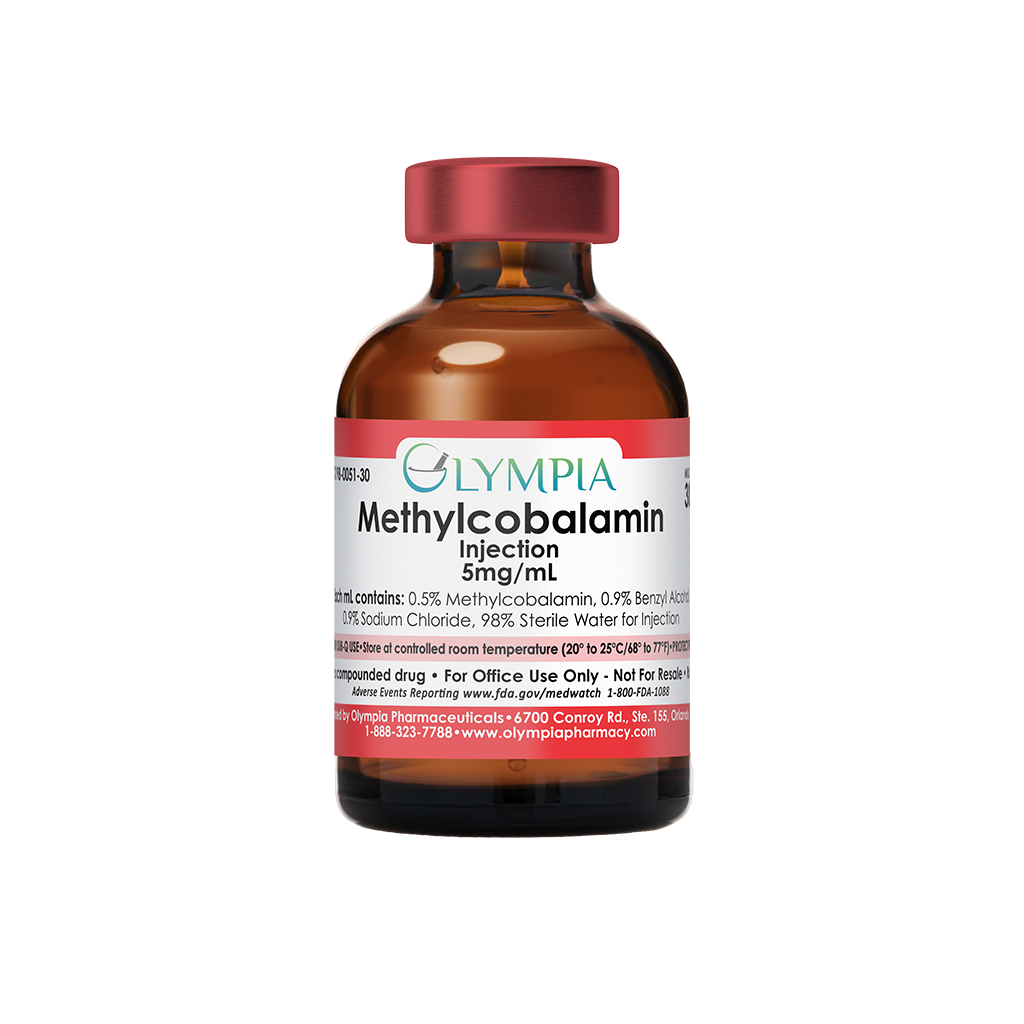
- Methylcobalamin (often preferred for neurological support discussions)
- Cyanocobalamin (stable, common in supplements)
- Hydroxocobalamin (seen more in clinical contexts)
Quality signals that matter
- Clearly stated labeled amount (mcg or mg) and serving size
- Batch/lot traceability and basic manufacturing transparency
- Third-party testing or reputable standards (where available)
- Recognizable storage instructions (light/temperature stability)
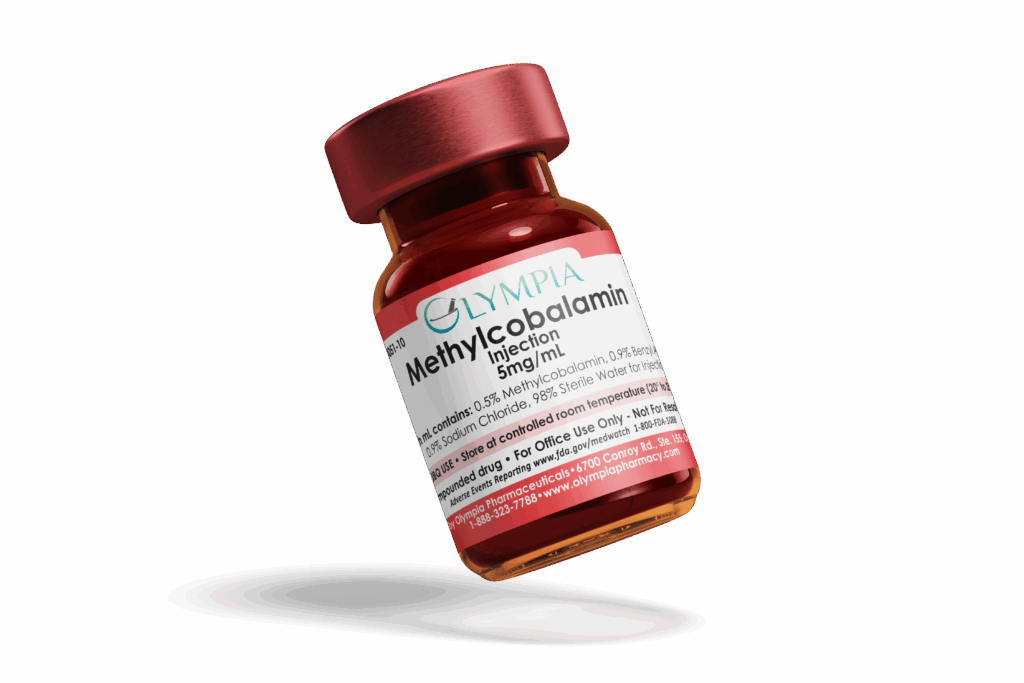
For a product direction, consider B12 methylcobalamin vials/drops as an alternative discussion point to injection plans—especially if your clinician is suggesting oral first. In a consumer review mindset, I treat it as: “Does it make sense for my situation and does it fit my routine?” not “Will it fix me?”
Typical dosing examples you may see (not medical advice): oral regimens often use higher daily or sublingual amounts than older “low-dose” supplements. In contrast, injection schedules are prescription-based and depend on baseline deficiency severity and cause. If you’re trying to understand why are doctors stopping B12 injections, this oral-first framing is a major reason.
Ingredients, Formats, and Quality Signals (Video context)
Comparison of Common Options
| Format | Typical Dose/Use | Pros | Cons | Cost | Best For |
|---|---|---|---|---|---|
| Injection (clinic/scheduled) | Prescription schedule; often periodic dosing for deficiency | Bypasses absorption temporarily; clinician-supervised | Appointment burden; bruising/pain; may be unnecessary without deficiency | Typically highest ongoing cost | Confirmed deficiency with absorption problems |
| Oral tablets (cyanocobalamin) | Daily mcg dosing; commonly 250–1000 mcg+ depending on product | Convenient; stable; good for maintenance | May not work if absorption is severely impaired (depends on dose/cause) | Often low to mid | Borderline or maintenance in non-malabsorption scenarios |
| Sublingual/methylcobalamin drops | Daily sublingual or drop-based mcg dosing | User-friendly; easy to adjust; methylcobalamin option | Still relies on at least some absorption; variability by brand | Mid | Preference for oral + “try it for a set period” |
| Nasal/specialized forms | Varies by product; usually prescription or specific regimen | Non-needle option | Less common; availability varies; evidence/usage protocols differ | Mid to high | Cases where injections are impractical and clinician-recommended |
| “B12 + energy” combos (multi-ingredient) | Varies; often includes folate, iron, or “energy” blends | May address multiple deficiencies at once | Harder to know what’s helping; can include unnecessary ingredients | Mid | If labs show multiple deficiencies (iron/folate/etc.) |
In many “why are doctors stopping B12 injections?” discussions, the pivot is toward oral formats that reduce cost and inconvenience—when appropriate.
Buying Framework and Red Flags
If you’re shopping or deciding between injection plans and product options, use this framework. It keeps the process consumer-smart and clinician-aligned.
- Step 1: Check whether you have labs or a plausible cause (dietary pattern, GI symptoms, medications).
- Step 2: Decide on a time-box experiment (e.g., 14 days) and track one or two outcomes (fatigue score, sleep quality, tingling changes).
- Step 3: Pick a clear, labeled product: methylcobalamin or cyanocobalamin with stated mcg per dose.
- Step 4: Avoid “stacking” too many new products at once; otherwise you can’t tell what worked.
- Step 5: If you see no change after the trial window and symptoms persist, consider a medical workup rather than escalating injections.
Red flags to stop self-experimenting and seek assessment: worsening numbness/tingling, anemia symptoms (shortness of breath, paleness), progressive weakness, unexplained weight loss, or severe mood changes.
Common Mistakes and How to Avoid Them
- Assuming symptoms mean low B12: fatigue and brain fog have many causes. Try to base decisions on labs when possible.
- Starting B12 injections without a plan: repeating injections “because it might help” can delay finding the real issue.
- Changing products constantly: if you switch brands every few days, you’ll never learn what you actually tolerated or what improved.
- Ignoring “related markers”: sometimes folate, iron, and vitamin D are part of the story. B12 can’t always compensate for other gaps.
- Expecting instant energy: even when B12 deficiency is addressed, improvements (if they happen) can take weeks.
FAQ
Is it proven that stopping B12 injections improves outcomes for young women?
It’s not one-size-fits-all. In general, the shift is about matching treatment to confirmed deficiency and cause, and about using oral options when appropriate. The “proven” part is that B12 deficiency treatment can be effective—what varies is whether injections are needed for your specific situation.
How long does it take to notice results after switching from B12 injections to oral methylcobalamin?
People who respond often notice changes over 2–4 weeks, sometimes longer—especially if symptoms are tied to deficiency correction and not just placebo effects. If you’re tracking fatigue, aim for trend data rather than daily guesses.
What are the most common side effects when taking B12 (injection vs oral), and when are they a red flag?
Common issues include mild stomach upset (more typical with oral), headache, or injection-site bruising/pain (for shots). A red flag is worsening neurological symptoms such as increasing tingling, weakness, or numbness—get medical evaluation rather than continuing.
Can B12 combine with iron or folate, and is it safe to stack products without labs?
Combination approaches are common when labs show deficiencies. Without labs, stacking multiple supplements can make it harder to know what’s helping and can be unhelpful if the real cause is different. If you want to combine, keep the change limited (one new variable at a time) and watch for side effects.
Oral B12 vs injection: which is better when doctors ask “why are doctors stopping B12 injections” for your case?
Oral vs injection depends on absorption and whether deficiency is confirmed. Many people can maintain or correct levels with oral dosing, which is a key reason injections may be stepped back. Injections remain relevant for certain confirmed deficiency patterns—especially with documented malabsorption.
A Practical 2-Week Experiment Framework
If you’re deciding between injection talk and product alternatives, use a consumer-style experiment that’s structured and measurable. This isn’t a replacement for medical advice; it’s a way to avoid aimless supplementation.
- Day 1 (setup): Choose one B12 option only (either an oral product or a clinician-directed plan). Decide your tracking metric: fatigue score (0–10) and one symptom (brain fog or tingling).
- Days 2–7 (routine): Take it consistently at the same time. Avoid adding other new supplements mid-week. If you’re tracking cost, note what you paid and how many days that amount covers.
- Days 8–14 (reality check): Look for trend changes, not instant “miracle” feelings. If your fatigue improves slightly but sleep is also changing, note both variables.
- End of Week 2 (decision): - If there’s no trend improvement and symptoms persist, consider labs and a clinician discussion rather than repeating more injections. - If there’s modest improvement and side effects are minimal, you can consider continuing the routine long enough for a full response cycle (often beyond two weeks).
Don’t ignore warning signs: if you develop new neurological symptoms or the symptoms worsen, stop the experiment and get medical care.
About the Author
Maya Thompson is a health-and-product reviewer who has spent the last 6 years writing consumer-focused guides on vitamins, supplement labeling, and appointment-style decision checklists. Her review work emphasizes lab-informed expectations, dosage transparency, and fail cases (including what happens when symptoms aren’t actually due to B12).
Disclaimer: This article is for informational purposes only and does not replace medical advice. If you’re asking why are doctors stopping B12 injections because of ongoing symptoms, consider discussing your labs and medical history with a clinician—especially if you have neurological symptoms, anemia concerns, or known malabsorption conditions.
Discussion