Pay in installments of $6.12 with
 ,
,
 and
and

Shipping Estimate
USA
- USA
- CAN
- USA
- CAN
Ships within 48 hours · Estimated delivery Oct 10 - Oct 15
 Promo Codes Available:
For Your Every Summer RSVP, with Code: SUMMER15
Description
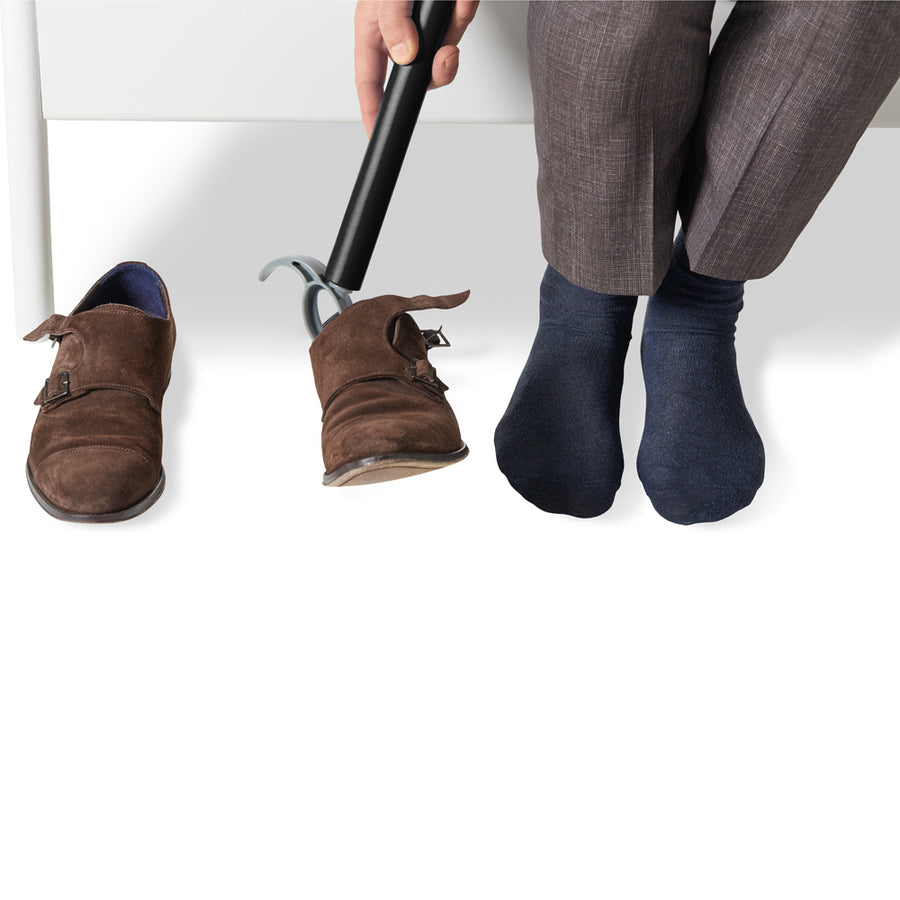
dressing stick VITILITY Dressing Stick with Foam Grip & ShoehornGetting dressed should feel like the start of your day, not the first obstacle. The VITILITY Dressing Stick with Foam Grip & Shoehorn is designed for people who want an easier, more independent routine with less bending, reaching, and awkward twisting. Whether youre dealing with stiffness in the morning, temporary mobility changes, or simply prefer tools that make daily tasks smoother, this dressing stick helps you stay in control of the little
Getting dressed should feel like the start of your day, not the first obstacle. The VITILITY Dressing Stick with Foam Grip & Shoehorn is designed for people who want an easier, more independent routine with less bending, reaching, and awkward twisting. Whether you’re dealing with stiffness in the morning, temporary mobility changes, or simply prefer tools that make daily tasks smoother, this dressing stick helps you stay in control of the little moments that set the tone for everything else. At its core, this is a simple, reliable dressing aid: a long-handled dressing stick with a versatile hook on one end and a smooth, integrated shoehorn on the other. What makes it feel especially user-friendly is the thick, cushioned foam grip. It sits softly in your hand and gives you a steadier, more comfortable hold—particularly helpful if your hands tire easily, if you have a weaker grip, or if you just want more confidence when guiding clothing into place. Instead of pinching fabric with your fingers and straining your shoulders, you can use calm, controlled movements while staying in a more relaxed posture. The hook end is made for everyday clothing tasks that often require extra flexibility. Think of guiding a jacket or cardigan up and over your shoulders without reaching behind your back. Or pulling a shirt hem down smoothly without bending forward. Or catching a waistband or pant loop to help bring trousers up your legs. Many people also use a dressing stick to manage socks: hooking the edge to help slide them off with less effort, especially when bending down is uncomfortable. The goal isn’t to “do anything for you” in a complicated way—it’s to extend your reach so you can dress and undress at your own pace, with fewer uncomfortable angles. Then there’s the shoehorn end, which turns this into an even more practical daily tool. If you’ve ever tried to step into shoes while balancing, struggling with a tight heel, or worrying about crushing the back of the shoe, a shoehorn can make the process feel smoother and more predictable. With the VITILITY dressing stick, you don’t need to switch tools or hunt for a separate shoehorn. It’s right there on the opposite end, ready when you are. This can be especially helpful during morning routines when you’re trying to keep your momentum going—get dressed, get your shoes on, and move on with your day. Because the VITILITY Dressing Stick with Foam Grip & Shoehorn is intended for real homes and real schedules, it’s made to be intuitive. There’s no assembly and no complicated parts to manage. You simply pick it up, choose the end you need, and use small, steady motions. Many people find it easiest to start while seated—on the bed, a sturdy chair, or a bench—so they can stay balanced and take their time. Over a few uses, you’ll naturally develop your own techniques, like which angle works best to guide a sleeve, or how to catch fabric without tugging too hard. A common question buyers have is whether a dressing stick is only for putting clothes on. This one is meant for both dressing and undressing. The hook can help pull clothing into place, but it can also help you remove items with more control. For example, you can catch the edge of a sock to ease it off, or hook a garment gently to slide it down your arm without overreaching. It’s also useful for managing layers—like repositioning a robe, pulling a sweater down evenly, or helping a jacket sit comfortably on your shoulders. Another question is who this tool is “for.” The honest answer: anyone who wants less strain and more independence. Some people choose a dressing stick because they’re recovering and want to follow movement guidelines that limit bending or twisting. Others keep it around because they live with ongoing mobility challenges or reduced flexibility. And some people simply like having smart self-care tools that make daily life easier. This is not a clinical-feeling gadget; it’s a practical lifestyle aid that supports privacy, comfort, and dignity in day-to-day routines. The foam handle plays a bigger role than you might expect. When your grip feels secure and comfortable, you tend to move more steadily and with less frustration. That can make the whole process calmer—especially during mornings when you’re trying to get ready and you don’t want to start the day already fatigued. The thickened foam grip also helps the dressing stick feel more natural in your hand, which is important for tasks like guiding a sleeve or positioning a shoehorn where control matters. Using the shoehorn side effectively is also simpler than many people think. Place your shoe on a stable surface, position the shoehorn at the heel opening to create a smooth “ramp,” and slide your foot in with gentle pressure. If the shoe tends to move, steady it against the floor with your other foot, or keep it braced in place before you step down. Small, controlled motions usually work better than rushing. Over time, it becomes a quick, dependable step—especially helpful if you regularly wear shoes that fit snugly or have stiffer heel counters. Maintenance is minimal, which matters for something you’ll likely use every day. If it picks up lint or fibers from clothing, a quick wipe is usually enough. For general cleaning, use a soft damp cloth with mild soap if needed, then dry thoroughly. Avoid harsh chemicals or soaking, since you want to keep the foam grip feeling comfortable and the tool ready for regular use. Many users like to store it somewhere it’s always within easy reach: by the bed, near the closet, in the bathroom, or next to a favorite chair. If you’re wondering whether you need special instructions before using it, the best approach is to start simple. Try it first with loose-fitting clothing so you can learn the feel of the hook and how much pressure you need. Focus on steady movements and a comfortable posture. The dressing stick is designed to work with your routine, not force you into a new one. Quick FAQ-style answers: Yes, you can use the VITILITY dressing stick for both putting on and taking off clothes. Yes, it can be helpful for limited flexibility or temporary mobility changes because it reduces the need to bend and overreach. And no, you don’t need to assemble it—just pick it up and use it. With its foam grip for comfort and its integrated shoehorn for convenience, the VITILITY Dressing Stick with Foam Grip & Shoehorn is a small daily upgrade that can make a noticeable difference in how smooth, calm, and independent getting dressed feels.Shipping Notes
- Free Standard Shipping on $100+ Orders to the USA.
- Except Preorder products are shipped in 48 hours.
- Delivery to the USA:
- Standard Shipping : 3-10 business days
- If time is of the essence, please consider selecting expedited delivery for faster service.
Exchange/Return Notes
- We offer a 30-day return/exchange service after receiving.
- Final sale items are not eligible for returns or exchanges.
- To process your return/exchange, please contact us at [email protected]
- Please click here for more details>>> Return & Exchange Policy
4.5 ★★★★★
Based on 11 reviews
Sort
Product Reviews
★★★★★ 5
Super cute, comfortable, practical, love that they are slip on
Size: 10.5, Color: Tobacco/Black
I have worn these 2-3 times already. The first day was a school/work day so I was on my feet 9 hours and the only issue I had was with the side of the boot rubbing against my ankle. I just make sure I wear socks high enough to cover my ankles or jeans that go into the boots now for long wear days.
Absolutely love them! They keep my feet dry in this snow( we live in Michigan). I had been looking for a pair like this for awhile now and was getting super frustrated that I couldn't find my size in any that I liked. I saw that they had these available in a 10.5 and I wear 11. I looked at the Sorel website reviews (since the amazon ones weren't super helpful on sizing) and they said that the boots ran big so I took a chance on the 10.5 fitting me. They fit perfect. I have long narrow feet but I could see where they would be tight or uncomfortable on someone with wider feet. I've been trying to find a pair for my mom now since she has boot envy.
WAS THIS REVIEW HELPFUL?YesReportShare
Reviewed in the United States on January 27, 2026
★★★★★ 5
Worth it.
Size: 8.5, Color: Crushed Clay/Gum 2
Love all my Sorels. These were really cute, good color, comfortable, warm, fit well, good quality and sturdy. I would order again.
WAS THIS REVIEW HELPFUL?YesReportShare
Reviewed in the United States on March 26, 2026
★★★★★ 5
Fantastic Boots!
Size: 8.5, Color: Redwood/Gum 10
Completely satisfied with these boots. True to size, well made, comfortable from the get-go; not break in needed. Waterproof- really. The Red Suede has withstood a nasty winter season & still looks great. Good traction. I like the ankle height which looks good with long, mid length pants & leggings. I love the easy slip on/off aspect..made getting ready for dog walking easy. I 100%recommend!
WAS THIS REVIEW HELPFUL?YesReportShare
Reviewed in the United States on April 11, 2026
★★★★★ 5
Definitely worth the price
Size: 6.5, Color: Black/Black
Absolutely love these boots! I originally bought them to wear in NYC in December & they did not disappoint. They were comfortable, cute, durable and worked well in the slush/snow. The traction on the bottom is also nice! They kept me warm with wool socks. I wear them almost daily now. Perfect for everyday. easy to wear with variety of outfits. Good every day shoe.
WAS THIS REVIEW HELPFUL?YesReportShare
Reviewed in the United States on January 3, 2026
★★★★★ 5
Snagged a deal
Size: 7, Color: Redwood/Gum 10
I waited and waited to get these boots! I knew I was chancing it, but they went on sale, and I snagged them! I am a size 7, and they fit nicely with socks. a little loose, barefooted, but what psycho wears boots without socks? They are comfortable and really well-made.
WAS THIS REVIEW HELPFUL?YesReportShare
Reviewed in the United States on April 8, 2026
recommand products
Semi-Formal Midi Party Dress with Short Sleeves Black / 12
28.83
Ziggy Black Halter Neck Mini Dress
29.68
LaDivine CD0132 Short Lace Off Shoulder Homecoming Dress – The Dress Outlet
28.49
Women's Halter Neck Midi Dress Sleeveless Fitted Flared – Evergreen Outfits
29.34
Agnes Halter Neck Maxi Dress | Black | Dresses
29.33