Pay in installments of $5.07 with
 ,
,
 and
and

Shipping Estimate
USA
- USA
- CAN
- USA
- CAN
Ships within 48 hours · Estimated delivery Sep 17 - Sep 22
 Promo Codes Available:
For Your Every Summer RSVP, with Code: SUMMER15
Description
lavandin lavender plants for sale Lavandula Angustifolia (English Lavender) – YardworkTransform Your Garden with Californias Most Beloved Fragrant Perennial Lavandula angustifolia, commonly known as English lavender or true lavender, is a drought tolerant, highly fragrant perennial that brings silver gray texture, purple flowers, and Mediterranean charm to California gardens with minimal water once established. Native to the Mediterranean region, this cold hardy lavender thrives in full sun, dry summers, and well drained soil, making
Transform Your Garden with California’s Most Beloved Fragrant Perennial
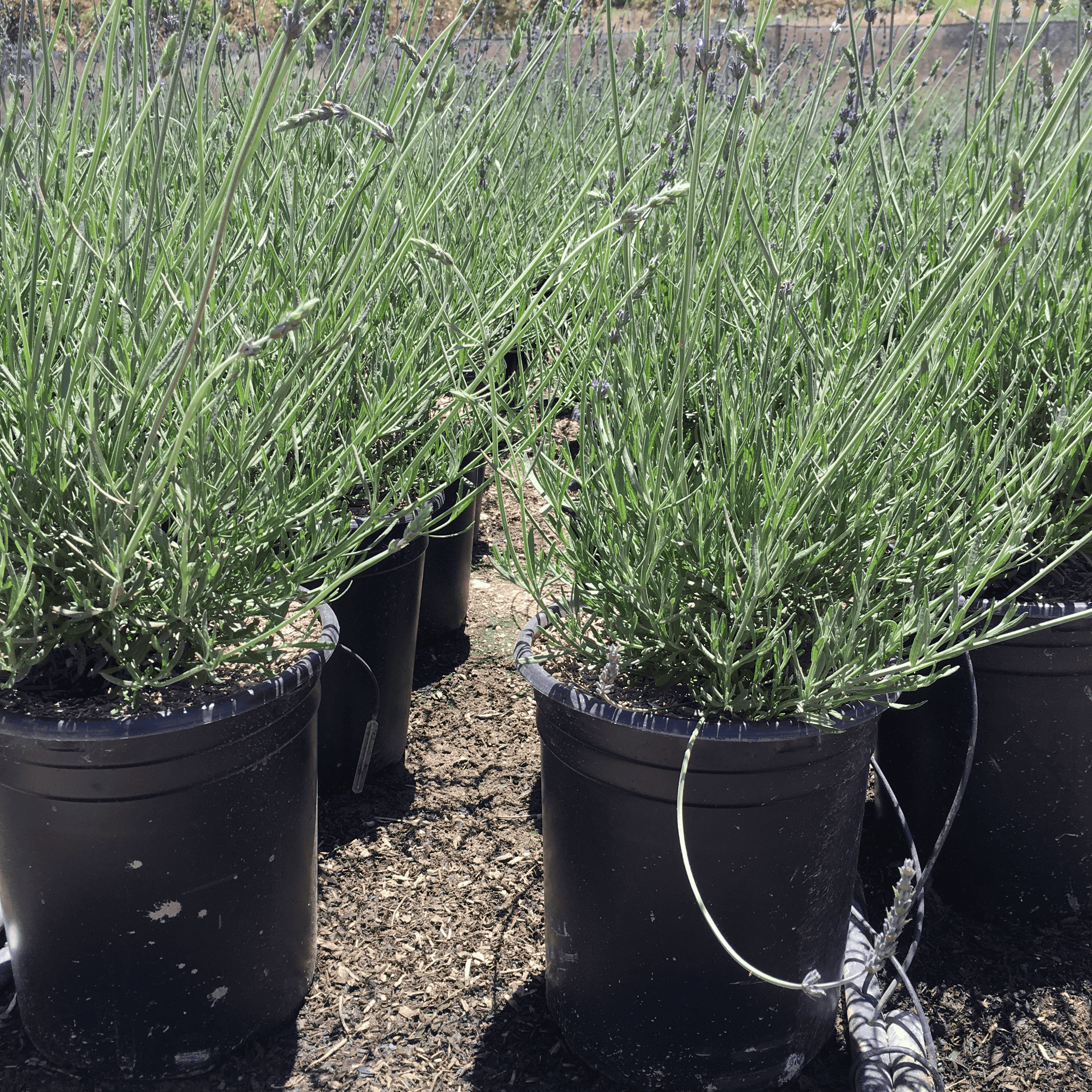
Lavandula angustifolia, commonly known as English lavender or true lavender, is a drought tolerant, highly fragrant perennial that brings silver-gray texture, purple flowers, and Mediterranean charm to California gardens with minimal water once established.
Native to the Mediterranean region, this cold hardy lavender thrives in full sun, dry summers, and well drained soil, making it ideal for drought-conscious landscapes, herb gardens, rock gardens, containers, and low hedge planting. English lavender grows in tidy rounded mounds, offering year-round gray green foliage and dense flower spikes that add vibrant color from late spring into summer.
Why You’ll Love English Lavender
-
Drought-tolerant once established – This plant is drought-tolerant once established, making it an excellent choice for low-maintenance gardens in dry climates. Once established, English lavender should only be watered during dry periods, approximately once a week.
-
Beautiful seasonal bloom with the potential for a second flush – English lavender produces fragrant flower spikes in late spring to summer, and deadheading spent flowers can help promote continued bloom. With proper pruning, some lavender varieties may produce more blooms or a lighter second flush later in the season.
-
Naturally deer and rabbit resistant – English lavender is deer and rabbit resistant due to its aromatic oils, which deter browsing by wildlife and help protect nearby plants.
-
Pollinator-friendly and pest-discouraging – English lavender (Lavandula angustifolia) is highly fragrant and attracts pollinators like bees and butterflies, enhancing garden biodiversity while its essential oil scent helps discourage many nuisance pests.
-
Useful beyond the garden – Lavandula angustifolia is widely used in culinary applications, aromatherapy, and high-end perfumery. Inhaling lavender vapor reduces anxiety and promotes relaxation, while harvested flowers are popular for sachets, dried arrangements, teas, desserts, and herb blends.
What Makes English Lavender Different
Many gardeners assume all lavender varieties are the same. They are not. L. angustifolia stands apart for its refined fragrance, compact form, cold tolerance, and premium essential oil quality.
Lavandula Angustifolia (English Lavender) provides:
-
More cold hardy than many other lavenders – Lavandula angustifolia is cold-hardy and can survive freezing winters, thriving in USDA Zones 5–9. Where temperatures dip, established plants may benefit from excellent drainage and, in colder areas, protective snow cover.
-
Sweeter, cleaner fragrance – True lavender is prized for essential oil with a softer, more floral character than many French, Spanish, or lavandin types. This makes English lavender especially valuable for aromatherapy, culinary use, and high-end perfumery.
-
Compact growth for real landscapes – The plant reaches a compact height of roughly 2 to 3 feet and features thin, silver-green leaves with dense flower spikes. Its rounded mounds work beautifully in a perennial border, low hedge, rock gardens, and containers.
-
Excellent flower color options – Classic cultivars offer purple and medium purple flowers, while selections such as Hidcote Blue, Angustifolia Hidcote, Royal Velvet, Buena Vista, and Sharon Roberts are loved for deep color and strong fragrance. Jean Davis offers soft pink to light pink flowers, and some cultivars produce white flowers.
-
Long garden performance with pruning – Regular pruning is essential to maintain the mounded shape of Lavandula angustifolia and prolong its lifespan. Deadheading spent flowers and pruning correctly can help promote blooming and encourage new growth without cutting into old wood.
How to Grow English Lavender Successfully
-
Site Selection – Choose full sun and airflow
English lavender thrives in full sun, requiring at least 6 to 8 hours of direct sunlight each day to prevent leggy growth and promote blooming. Choose an open spot with good air circulation, especially in areas where humid climates or coastal moisture can increase the risk of leaf spot. -
Soil Preparation – Prioritize drainage over richness
It requires full sun and well-drained, low-fertility soil to grow optimally. The ideal soil for English lavender is sandy or gritty, well-draining, with a pH between 6.5 and 7.5; overly rich or damp soils can lead to root rot. The ideal pH level for growing Lavandula angustifolia is between 6.7 and 7.3, preferring alkaline to neutral soil. -
Planting and Care – Water deeply, then let soil dry
English lavender is drought-tolerant once established, needing watering about once a week during dry periods, and should not be overwatered as this inhibits blooming. Avoid wet feet, excess moisture, and heavy organic mulch over the crown. If you use organic mulch, keep it light and pulled away from the stems. -
Seasonal Maintenance – Prune for more blooms and longevity
To promote blooming, deadhead spent flowers regularly and prune the plants in spring after new growth appears, cutting about one-third of the green stalks. Avoid cutting into old wood or woody stems, which may not regrow well. Regular pruning keeps plants dense, rounded, and productive.
English lavender is much easier to propagate through stem cuttings than by growing plants from seed. To propagate English lavender, take cuttings from healthy plants in the spring or early summer, ensuring each cutting has at least two sets of leaves. After taking cuttings, place them in a well-draining potting mix and keep them moist but not soggy until roots develop, which usually takes a few weeks.
Plant Specifications
-
Genus name: Lavandula
-
Plant type: Semi-woody perennial shrub / aromatic herb
-
Botanical name: Lavandula angustifolia
-
Common names: English lavender, true lavender, common lavender
-
Mature size: The plant reaches a compact height of roughly 2 to 3 feet and features thin, silver-green leaves with dense flower spikes. Mature spread is typically about 2 to 4 feet depending on cultivar and pruning, making it easy to use the English lavender plants available from Yardwork in borders and low hedges.
-
Growth habit: Rounded mounds with narrow leaves, gray green foliage, woody stems at the base, and upright flowering stems that contrast nicely with taller ornamental grasses like Purple Fountain Grass.
-
Flowers: Purple flowers are most common, including medium purple flowers and deep purple selections. Cultivars may also produce pink, light pink flowers, or white flowers.
-
Bloom time: Late spring through summer, with possible continued bloom or a second flush when spent flowers are removed and plants are pruned correctly.
-
Sun / Water: Full sun water needs are low once established. Provide full sun and water only during dry periods, about once a week after establishment.
-
Soil: English lavender must be planted in well-draining soil with a pH between 6.5 and 7.5, as damp soils can cause root rot. Sandy soil, gritty soil, and drained soil with excellent drainage are best.
-
Ideal pH: The ideal pH level for growing Lavandula angustifolia is between 6.7 and 7.3, preferring alkaline to neutral soil.
-
Growing zone: USDA Zones 5–9. Lavender thrives in dry summers and warm conditions but does not thrive in high humidity.
-
Spacing: Space plants 24 to 36 inches apart for a low hedge, mass planting, or perennial border with good air circulation, or combine them with structural evergreens like English Laurel (Prunus laurocerasus) for layered screening.
-
Containers: Use containers with drainage holes and a gritty, well drained potting mix. Avoid saucers that hold water, and consider pairing lavender with compact companions such as Lavender Mexican Heather in mixed containers.
-
Disease notes: English lavender is susceptible to leaf spot and root rot, which can affect its health and growth. To prevent root rot in English lavender, it is essential to avoid overwatering and ensure the soil is well-draining. Leaf spot can be managed by removing affected leaves and improving air circulation around the plants.
Perfect for California Gardeners Who Want
Ideal for:
-
Drought-tolerant landscaping that still feels lush – English lavender delivers fragrance, texture, and vibrant color while reducing long-term irrigation needs and pairs beautifully with flowering trees like the Jacaranda mimosifolia.
-
Low-maintenance borders and hedging – Use English lavender in a perennial border, along pathways, as a low hedge, or pair it with other evergreen hedge plants like English laurel around patios where the aromatic foliage can be enjoyed up close.
-
Pollinator-friendly gardens – Bees and butterflies are drawn to lavender flowers, making this plant a strong choice for biodiversity-focused California landscapes and pairing beautifully with Silver Sheen Pittosporum privacy hedges.
-
Herb gardens with culinary and aromatherapy value – Harvest flower spikes for culinary use, sachets, dried flowers, essential oil projects, and relaxation rituals, and anchor nearby views with compact ornamental trees like Little Gem Dwarf Southern Magnolia.
-
Mediterranean-style and rock gardens – Lavender thrives in dry soil, sandy soil, raised beds, slopes, and rock gardens where excellent drainage prevents root rot, and it complements other Mediterranean-style shrubs like purple bougainvillea.
If you want a fragrant, water-wise garden plant that looks refined without demanding constant care, English lavenderfits beautifully.
Frequently Asked Questions
How much water does English lavender need in California?
English lavender is drought-tolerant once established, needing watering about once a week during dry periods. Avoid overwatering, because excess moisture inhibits blooming and can cause root rot. In coastal areas, plants may need less supplemental water than in hot inland gardens.
When is the best time to plant and prune English lavender?
Plant in early spring after major frost risk has passed, or in fall where winter drainage is reliable. To promote blooming, deadhead spent flowers regularly and prune the plants in spring after new growth appears, cutting about one-third of the green stalks. Avoid pruning hard into old wood.
Can English lavender survive California’s hot summers?
Yes. This plant prefers warm conditions but does not thrive in high humidity; it is best suited for drier climates similar to its native Mediterranean environment. In very hot inland regions, lavender performs best with full sun, excellent drainage, and occasional deep watering during dry periods.
How long does it take to establish and reach full size?
English lavender grows moderately and often reaches strong garden performance within 2 to 3 years. Mature size is generally 2 to 3 feet tall with a similar or wider spread, depending on cultivar, soil, sun, water, and pruning.
What are the best companion plants for English lavender?
Choose plants with similar needs: rosemary, thyme, sage, yarrow, echinacea, ornamental grasses, and other drought tolerant shrubs or herbs. Avoid pairing lavender with plants that need rich, wet soil.
How do I prevent root rot in heavy clay soils?
To prevent root rot, plant in raised beds, amend for drainage, use gritty or sandy soil, and avoid wet feet. English lavender must be planted in well-draining soil with a pH between 6.5 and 7.5, as damp soils can cause root rot. Keep organic mulch away from the crown and avoid frequent shallow watering.
How do I manage leaf spot?
Leaf spot can be managed by removing affected leaves and improving air circulation around the plants. Proper spacing, full sun, and dry foliage are the best defenses.
Ready to Add Timeless Beauty to Your Garden?
Choose Lavandula Angustifolia (English Lavender) for fragrant flower spikes, gray green foliage, pollinator activity, and low-water Mediterranean style.
Yardwork can help you select the right lavender varieties, plan spacing for a low hedge or perennial border, and prepare your soil for long-term success with their Los Angeles plant nursery and landscaping services. Ask about expert consultation services for landscape planning and soil testing services to confirm drainage and pH before planting.
Shipping Notes
- Free Standard Shipping on $100+ Orders to the USA.
- Except Preorder products are shipped in 48 hours.
- Delivery to the USA:
- Standard Shipping : 3-10 business days
- If time is of the essence, please consider selecting expedited delivery for faster service.
Exchange/Return Notes
- We offer a 30-day return/exchange service after receiving.
- Final sale items are not eligible for returns or exchanges.
- To process your return/exchange, please contact us at [email protected]
- Please click here for more details>>> Return & Exchange Policy