Pay in installments of $5.48 with
 ,
,
 and
and

Shipping Estimate
USA
- USA
- CAN
- USA
- CAN
Ships within 48 hours · Estimated delivery Sep 16 - Sep 21
 Promo Codes Available:
For Your Every Summer RSVP, with Code: SUMMER15
Description
snake plant kingdom Zeylanica Snake Plant 'Sansevieria zeylanica'Introducing the Zeylanica Snake Plant, known as 'Sansevieria zeylanica,' a low maintenance snake plant belonging to the Sansevieria genus. The Sansevieria zeylanica has several other common names, such as Ceylon Bowstring Hemp, Vipers Bowstring Hemp, Snake Plant, Mother in Law's Tongue, or Snake Plant, and is very similar to the Sansevieria trifasciata. For its modern look and easy care, the Sansevieria zeylanica snake plant is very popular among
Introducing the Zeylanica Snake Plant, known as 'Sansevieria zeylanica,' a low-maintenance snake plant belonging to the Sansevieria genus. The Sansevieria zeylanica has several other common names, such as Ceylon Bowstring Hemp, Vipers Bowstring Hemp, Snake Plant, Mother-in-Law's Tongue, or Snake Plant, and is very similar to the Sansevieria trifasciata.
For its modern look and easy care, the Sansevieria zeylanica snake plant is very popular among gardeners.
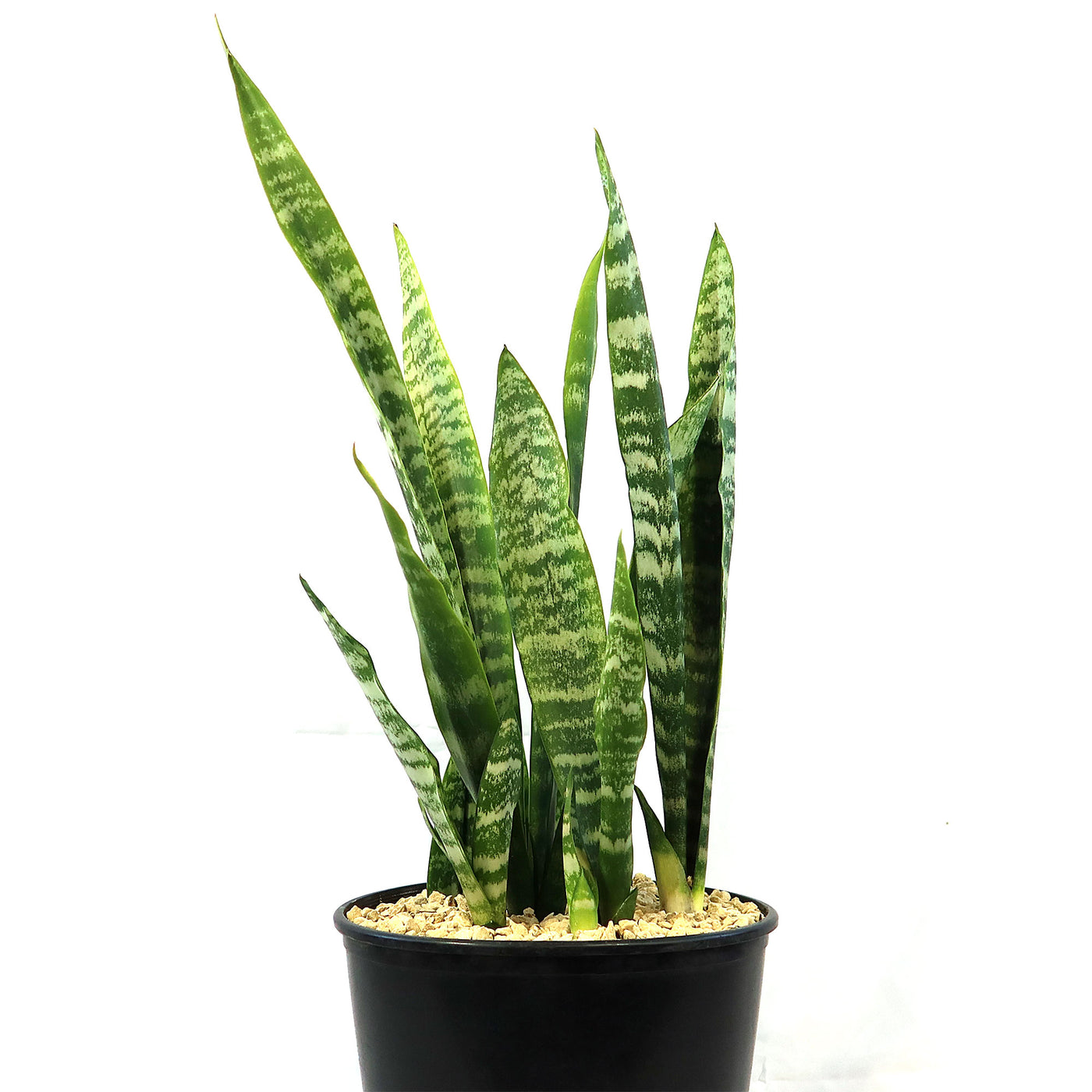
The Sansevieria zeylanica has long, sword-shaped leaves that grow upright and can grow up to 3–4 feet tall and 2 feet wide.
The leaves are a vibrant shade of green, with light gray-green horizontal stripes running along their length.
This unique pattern adds visual interest and makes it a standout addition to any indoor space.
The flowers of the Sansevieria zeylanica snake plant have tall spikes with small, tubular flowers, typically greenish white, pale green, or cream, that bloom from spring to summer. However, it's worth noting that indoor-grown Sansevieria zeylanica plants rarely flower. These snake plants are more popular for their striking foliage than for their blooms.
Native to tropical West Africa, the Sansevieria zeylanica plant thrives in bright light to partial shade, making it ideal for indoor spaces. It releases oxygen at night, purifying the indoor air by removing harmful chemicals like formaldehyde and xylene and providing a fresh burst of oxygen while you sleep, making it an excellent addition to your bedroom.
When and How to Water Your Sansevieria zeylanica
Sansevieria zeylanica is a drought-tolerant succulent that stores moisture in its thick, upright leaves. This adaptation allows it to thrive in dry indoor conditions and makes it very forgiving if you forget to water occasionally. Always let the soil dry out completely between waterings; keeping the roots too wet can lead to rot. This snake plant prefers watering once every 10-14 days in spring and summer, and once a month in the dormant season.
In the spring and summer, during its active growing season, your Zeylanica will use more water and benefit from deeper but infrequent watering once every 10-14 days. Be sure to adjust your schedule based on the temperature, light, and container size, especially if the plant is receiving bright indirect sun.
In the cooler months or winter, growth slows down and the plant enters a semi-dormant state. At this stage, reduce watering significantly; sometimes as little as once a month is sufficient. Overwatering in winter is one of the most common causes of decline in snake plants, so err on the dry side.
Watch for signs of dehydration in your Sansevieria zeylanica succulent, such as a pale discoloration and the leaves starting to shrivel. This indicates that it's consuming the water stored in its interior.
Light Requirements - Where to Place Your Zeylanica Snake Plant
When growing indoors, Sansevieria zeylanica can thrive in moderate-to-bright indirect light for at least 6-8 hours a day, such as near a window with filtered sunlight. However, it can also tolerate lower light conditions, like those found in offices or rooms with less natural light.
Just keep in mind that if you place it in a low-light area, your Sansevieria zeylanica may grow more slowly and have less vibrant foliage.
If growing outdoors in warm, frost-free climates, Zeylanica does best in partial shade or dappled sunlight for 4–6 hours of filtered sunlight daily under a pergola or tree canopy. Avoid placing it in direct midday sun, especially in hot zones, as this can scorch or bleach the foliage.
Remember, it's always a good idea to observe your Sansevieria plant and adjust its lighting conditions accordingly. If you notice the leaves turning yellow or pale, it may be an indication that they're receiving too much direct sunlight. If the leaves become dark green and start to stretch towards the light, it may be a sign that they need more indirect light.
Optimal Soil & Fertilizer Needs
The Sansevieria zeylanica favors very airy, sandy soil that drains well, and should be fertilized once a year in spring. Planting them in ordinary potting soil will result in compacted roots, stunted growth, and, most likely, root rot. To prevent overwatering, use a terracotta pot with a drainage hole. Instead, make or buy a well-draining succulent potting mix, or ideally, use our specialized potting mix that contains organic mycorrhizae to promote the development of a strong root system that helps your succulent thrive.
When it comes to fertilizing these house plants, organic fertilizers with an equal ratio of 5-10-5 (NPK) also last longer and keep your soil alive by adding other beneficial compounds and microbes that encourage plant health and nutrient absorption. So, skip those harsh chemicals (too much fertilizer) and give your tropical plants some love with some awesome organic fertilizer!
Hardiness Zones & More
In the United States, this snake plant is mostly an indoor plant, but if you live in southern Florida or Hawaii, then you can cultivate it outdoors in USDA zones 9-11.
If you live in a colder climate outside of these hardiness zones, it's best to keep your Sansevieria zeylanica indoors or treat it as a container plant that you can move indoors during the colder months.
Remember, this snake plant prefers warmth, so if you do decide to bring it outdoors during the summer months, make sure to place it in a shaded area to protect it from intense sunlight and provide adequate humidity.
The Sansevieria zeylanica is a relatively low-maintenance plant and can tolerate average indoor humidity levels, which are typically around 40–60%. However, it can also adapt to lower humidity levels without any major issues. So, you don't need to worry too much about providing specific humidity conditions for this snake plant.
How to Best Grow Sansevieria zeylanica Indoors
When growing indoors, your Sansevieria zeylanica can thrive in temperatures between 60°F and 85°F. However, it can tolerate slightly cooler temperatures down to 50°F and warmer temperatures up to 90°F. Just be mindful that extreme temperature fluctuations or prolonged exposure to very low or high temperatures can stress the Sansevieria plant.
Wildlife - Sansevieria zeylanica Attracts the Following Friendly Pollinators
The Zeylanica Snake Plant is known to attract bees, butterflies, and hummingbirds with its vibrant flowers and sweet nectar. These pollinators play a crucial role in the plant's reproduction and overall ecosystem health.
According to the ASPCA, Sansevieria zeylanica is mildly toxic to both cats and dogs. They contain saponins, which can cause gastrointestinal upset if ingested in large amounts. However, it is safe to touch and handle, making it a popular choice for pet owners looking for a low-maintenance houseplant option.
How to Propagate Your Sansevieria zeylanica Snake Plant
The Sansevieria zeylanica snake plants can be propagated through division or leaf cuttings. To propagate through division, carefully separate the plant into smaller sections with roots attached and replant them in new pots with well-draining soil. For leaf cuttings, simply cut a healthy leaf into smaller sections and plant them in soil to encourage new growth.
Key Takeaways
- Sansevieria zeylanica is highly drought-tolerant, storing water in its thick, upright leaves and requiring minimal watering to stay healthy.
- This plant can thrive in low-light conditions, making it an excellent choice for offices, bedrooms, and other indoor spaces with limited sunlight.
- Sansevieria zeylanica helps improve indoor air quality by filtering out toxins like formaldehyde, benzene, and xylene.
- The plant is known for its toughness and resilience, tolerating neglect, temperature fluctuations, and most common houseplant pests.
- Its bold, sword-like foliage features silver-green, wavy patterns, adding a modern, sculptural element to home or office decor.
The Bottom Line
Overall, Sansevieria zeylanica is a fantastic snake plant for both indoor and outdoor gardening. With its sword-shaped leaves and low-maintenance nature, it can tolerate lower humidity levels and is suitable for USDA hardiness zones 9–11. Its striking appearance, air-purifying qualities, and resilience make it a popular choice. Whether you're a beginner or an experienced plant enthusiast, the zeylanica snake plant is a great addition to any collection. So, if you're looking for a beautiful and easy-to-care-for plant, give Sansevieria zeylanica a try!
Related Products
You may also like the other popular snake plant varieties, including the moonshine snake plant, the mother-in-laws snake plant, the Cylindrical snake plant, and the snake plant laurentii.
Shipping Notes
- Free Standard Shipping on $100+ Orders to the USA.
- Except Preorder products are shipped in 48 hours.
- Delivery to the USA:
- Standard Shipping : 3-10 business days
- If time is of the essence, please consider selecting expedited delivery for faster service.
Exchange/Return Notes
- We offer a 30-day return/exchange service after receiving.
- Final sale items are not eligible for returns or exchanges.
- To process your return/exchange, please contact us at [email protected]
- Please click here for more details>>> Return & Exchange Policy