Pay in installments of $5.43 with
 ,
,
 and
and

Shipping Estimate
USA
- USA
- CAN
- USA
- CAN
Ships within 48 hours · Estimated delivery Sep 23 - Sep 28
 Promo Codes Available:
For Your Every Summer RSVP, with Code: SUMMER15
Description
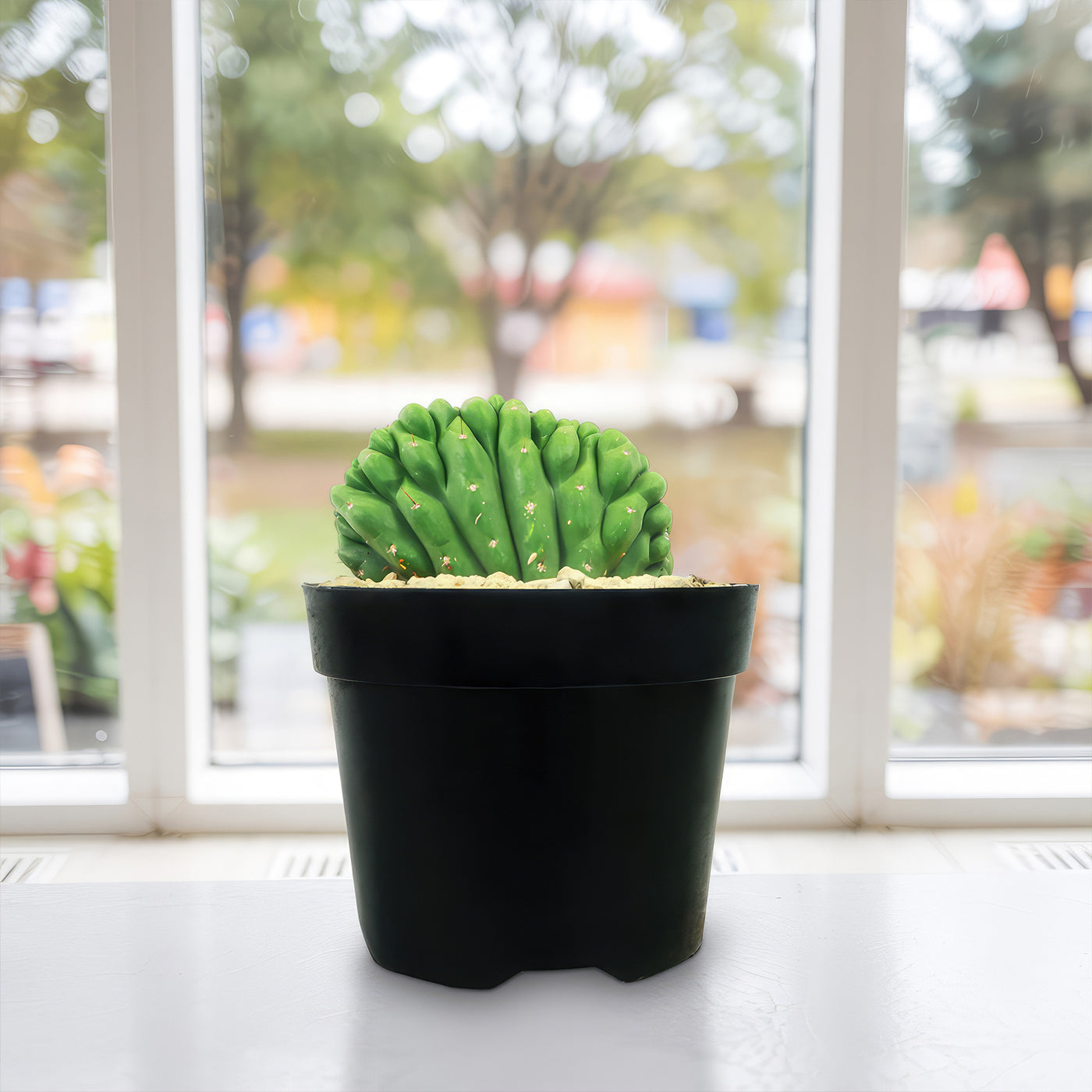
san pedro cactus side effects Crested San Pedro Cactus 'Echinopsis pachanoi cristata'Introducing the crested San Pedro cactus, also known as Echinopsis pachanoi cristata (Trichocereus pachanoi cristata), is a unique and rare variety of Echinopsis pachanoi because of its crested growth pattern. This crested form adds an extra level of visual interest to this already stunning San Pedro. Native to the Andes Mountains in Peru and Ecuador, where it thrives in high altitudes and arid conditions, this extraordinary San Pedro cactus is a true
Introducing the crested San Pedro cactus, also known as Echinopsis pachanoi cristata (Trichocereus pachanoi cristata), is a unique and rare variety of Echinopsis pachanoi because of its crested growth pattern. This crested form adds an extra level of visual interest to this already stunning San Pedro. Native to the Andes Mountains in Peru and Ecuador, where it thrives in high altitudes and arid conditions, this extraordinary San Pedro cactus is a true sight to behold.
This crested San Pedro cactus, which grows slowly, has a stunning fan-shaped stem that forms as a result of cristation. It can grow up to 3 feet tall and develops over time into jaw-dropping brain-like mounds, with the stem displaying vivid shades of green to bluish-green when it is young and dark green when it is ripe. It has whitish areoles that sprout up to seven spines ranging from dark yellow to light brown – talk about an edgy fashion statement! It also produced large white San Pedro cactus flowers during summer.
San Pedro Crested is a unique and fascinating cactus variety that is highly sought after by collectors and enthusiasts. Propagating this Echinopsis plant can be done through various methods, such as grafting or taking San Pedro cactus cuttings from the crest. Additionally, it is a friendly plant for both pets and humans. It contains mescaline, an alkaloid that has tremendous healing potential and produces psychedelic effects.
Watering Needs
The watering needs of the San Pedro crested cactus are similar to those of other cacti. It is important to remember that cacti are adapted to survive in arid environments with limited water availability.
To keep your crested San Pedro cactus healthy, it is best to water it sparingly. Allow the soil to completely dry between waterings to avoid overwatering, which can cause root rot. During the growing season, typically spring and summer, you can water the cactus once every two to three weeks. In the dormant season, which is usually fall and winter, reduce watering frequency to once a month or even less.
When watering, make sure to thoroughly saturate the soil, allowing the excess water to drain out completely. Avoid leaving the cactus sitting in standing water, as this can also lead to root rot in your Echinopsis pachanoi cristata.
Light Requirements
The crested San Pedro cactus thrives in bright sunlight. It prefers to be placed in a location where it can receive at least six hours of direct sunlight each day. This cactus variety is adapted to high-altitude regions in Peru and Ecuador, where it is exposed to intense sunlight.
When growing the San Pedro crested cactus indoors, it's important to place it near a sunny window or provide it with artificial grow lights that mimic natural sunlight. If you notice that your San Pedro cactus is stretching or leaning towards one side, it may be an indication that it is not receiving enough light and needs to be moved to a brighter location.
However, it's important to avoid exposing this crested echinopsis to extreme temperatures, especially during the hottest part of the day. If you live in a region with scorching summers, it's a good idea to provide some shade or protect the cactus from intense afternoon sun.
Optimal Soil & Fertilizer Needs
The San Pedro crested cactus requires well-drained soil to prevent root rot. To promote drainage, a suitable soil mix for this Echinopsis pachanoi can be a blend of cactus potting mix and perlite or pumice. Avoid using normal potting soil since it holds too much moisture. Planet Desert has got your back with our specialized cactus potting mix that includes 5 natural substrates with organic mycorrhizae – perfect for promoting healthy roots and happy plants.
When it comes to fertilizing the San Pedro crested cactus, it's best to do so sparingly. During the growing season, you can fertilize the cactus once a month with a balanced, water-soluble cactus fertilizer. Overfertilizing can lead to excessive growth and may harm the San Pedro cactus. Remember, it's important to allow the cactus to rest during the dormant season, typically in fall and winter, and refrain from fertilizing during this time.
Hardiness Zone & More
The San Pedro crested cactus is hardy in USDA hardiness zones 9-11. It can tolerate temperatures down to 20°F, but it's best to protect it from freezing temperatures. In terms of temperature preferences, this cactus San Pedro thrives in warm to hot conditions, ideally between 70-90°F.
When it comes to humidity, the crested San Pedro cactus prefers low to moderate humidity levels. It can tolerate dry air, but it's important to provide some humidity during hot and dry periods, such as misting the cactus or placing a tray of water nearby. However, be cautious not to create excessively humid conditions, as it can lead to fungal issues.
Overall, the San Pedro crested cactus is adaptable to a range of temperature conditions, but it's important to protect it from freezing temperatures and provide some humidity during dry periods to ensure its optimal growth and health. Be sure to add Echinopsis pachanoi Cristata – crested San Pedro cactus for sale to your collection today and elevate the beauty of your home or garden, with this stunning-looking plant.
Shipping Notes
- Free Standard Shipping on $100+ Orders to the USA.
- Except Preorder products are shipped in 48 hours.
- Delivery to the USA:
- Standard Shipping : 3-10 business days
- If time is of the essence, please consider selecting expedited delivery for faster service.
Exchange/Return Notes
- We offer a 30-day return/exchange service after receiving.
- Final sale items are not eligible for returns or exchanges.
- To process your return/exchange, please contact us at [email protected]
- Please click here for more details>>> Return & Exchange Policy