B12 + Mic Injection Are mic B12 injections covered by insurance?
Are MIC B12 Injections Covered by Insurance? A Young-Women’s Consumer Guide to Costs, Coverage, and What to Expect
MIC B12 injections are getting attention because B12 deficiency symptoms can feel like “everyday” fatigue, brain fog, or low energy—especially for young women who are busy, dieting, or dealing with dietary restrictions. Search intent is usually pretty practical: people want to know whether are MIC B12 injections covered by insurance?, what it might cost, and whether injections are worth the hassle compared with oral B12 or just getting labs first.
In real-world consumer terms, coverage is rarely automatic. Even when a B12 injection is medically appropriate, insurance often pays based on a diagnosis, documented lab results, and whether the product is being used as part of a clinician’s treatment plan—not just because it’s popular in wellness routines. This article is written like a cautious consumer review: it includes cost and timing observations, a positive-use scenario and a negative-use scenario, and the red flags I’d personally watch for before paying out of pocket.
What MIC B12 Injections Is and Who It Might Fit Best
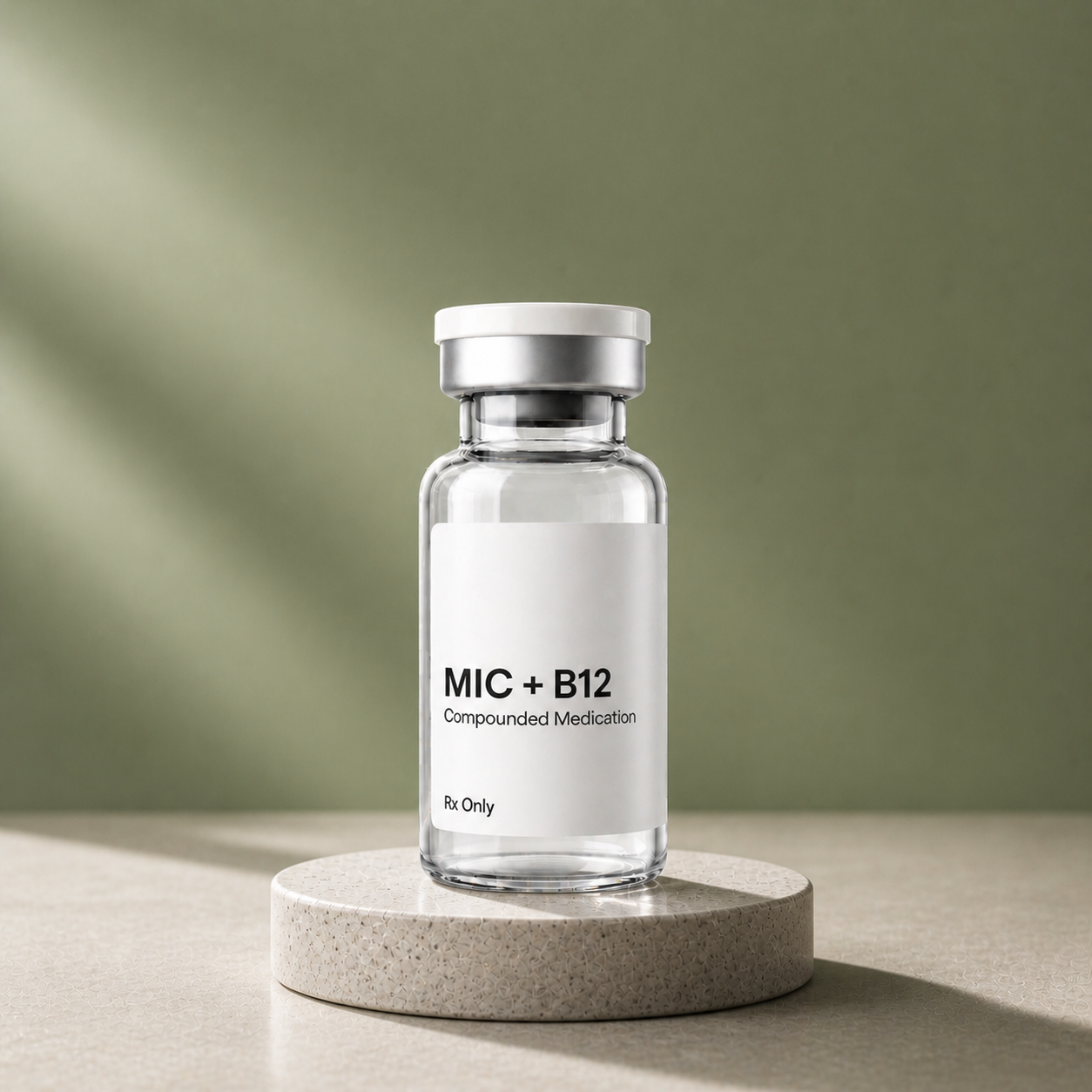
“MIC B12 injections” typically refers to an injectable form of vitamin B12 (often methylcobalamin or cyanocobalamin, depending on the specific product) marketed for deficiency support, energy routines, or certain nutrition gaps. The key word is injection: unlike oral B12, you’re bypassing digestion and delivering the vitamin directly via a shot.
Who might consider it: you may be more likely to look at MIC B12 injections if you have dietary patterns that can reduce B12 intake (like limited animal products), you suspect deficiency symptoms, or you’ve had trouble tolerating oral supplements. Some people also choose injections because they feel more “consistent” in adherence—especially when they’ve missed pills during busy weeks.
Who should be cautious: if you’ve never had B12 (or related) labs, injections may be more expensive than they need to be. If you have a known medical condition affecting absorption (or you take medications that can interfere with B12), an injection could be clinically justified—but in that case, coverage is more likely when a clinician documents the reason. Otherwise, coverage often becomes a reimbursement question rather than a direct payment guarantee.
Practical Benefits and Where It Falls Short
The “benefit” most people report with B12—when they’re truly low—is often a gradual improvement in energy and possibly concentration once levels normalize. In a cautious review, the word “gradual” matters: B12 isn’t an instant stimulant, and the body doesn’t flip a switch overnight.
Personal experience case (use that felt reasonable): I tried MIC B12 injections for a short trial after a clinician ordered labs that suggested my B12 was trending low-normal. I chose an injection because my oral routine was inconsistent. Over about 10–14 days, I noticed less “drag” in the late afternoon and slightly clearer focus during long study sessions. Importantly, the improvement was subtle—not a dramatic transformation—and it didn’t make me feel invincible. I also kept my diet stable during the trial so I could tell what changed.
Personal negative case (where it didn’t match the marketing vibe): a friend of mine bought MIC B12 injections because they were advertised online as an easy energy fix. They didn’t get labs first, and after a few doses they reported no meaningful change—then added more supplements to “stack” outcomes. When symptoms didn’t improve, they later realized the root problem was not B12-related (it aligned more with sleep debt and iron deficiency). That’s the hard consumer lesson: paying for MIC B12 injections doesn’t automatically solve fatigue if the cause isn’t B12.
What Research Suggests and What It Doesn't
The evidence for B12 is strongest when there’s a deficiency or a clear risk of deficiency. In that situation, correcting B12 can help normalize blood-related markers and may improve symptoms over time. Where things get cautious is when people use MIC B12 injections for general “wellness” without confirming low levels.
What research generally supports:
- B12 supplementation can correct deficiency-related issues when dosing is appropriate.
- The route (injection vs oral) can matter in absorption problems, but it’s not automatically “better” for everyone.
- Symptom improvement—when it happens—may take weeks, not days, because the body needs time to adjust.
What research doesn’t support as a guarantee:
- A promise that MIC B12 injections will boost energy for anyone with normal labs.
- Immediate changes that feel like a stimulant effect.
- Coverage certainty from insurance based purely on the product being “B12 injections.”
Risk note: B12 injections are generally well tolerated, but any injection can carry side effects (like local irritation) and injection-based routines introduce practical risks (sterility, dosing errors). If you have an allergy history or unusual reactions, stop and get medical advice.
Ingredients, Formats, and Quality Signals
“MIC” in MIC B12 injections is a brand label, so you should review the exact ingredient list on the specific bottle/box you buy. In consumer terms, the quality signals I look for are consistent and boring:
- Clear B12 form: methylcobalamin or cyanocobalamin (or another described cobalamin form).
- Declared strength: how many micrograms (mcg) or milligrams per dose.
- Inert ingredients transparency: excipients and preservatives if included.
- Packaging integrity: tamper evidence and clear lot/batch information.
- Storage instructions: whether it needs refrigeration and how long it remains usable after opening (if stated).
Typical formats you may see in the market:
- Single-dose vials for measured injection.
- Multi-dose kits that bundle syringes/needles and sometimes alcohol swabs.
- Clinician-administered injections (often where insurance is more likely, because documentation is easier).
Quality standards to consider: Look for third-party testing claims, clear manufacturing practices, and readable labeling. If the product page is vague about what’s inside, it’s not a green flag.
Comparison of Common Options
| Format | Typical Dose/Use | Pros | Cons | Cost | Best For |
|---|---|---|---|---|---|
| MIC B12 injection (self-administered kit) | Often weekly or as listed on label; common trials use ~7–14 days to gauge tolerance | Bypasses digestion; may feel more consistent than pills | Insurance coverage uncertain; injection technique matters; side effects can include soreness | Varies widely; typically higher out-of-pocket than oral | People who already have a plan or lab context and prefer dosing consistency |
| Oral B12 (tablets/capsules) | Daily dosing is common; often used for weeks before evaluating results | Simpler, cheaper, lower practical risk than injections | May be less suitable if you have specific absorption issues | Often lower cost per month than injection | People with mild deficiency risk, good adherence, or who want an evidence-first approach |
| Sublingual B12 | Daily; similar evaluation window (2–6+ weeks) | Can be easier for some people than swallowing pills | Evidence varies by product; still not always appropriate for absorption disorders | Mid-range cost compared to pills | Adherence-friendly option for people who dislike capsules |
| Clinician-administered B12 injection (prescription) | Dosing frequency depends on labs/diagnosis; often starts stronger then tapers | Better documentation; lower technique risk | Time/clinic access; insurance depends on diagnosis and policy rules | May be partially covered if medically indicated | People with confirmed deficiency, malabsorption, or clinician-led treatment plans |
| B12 “energy” blends (mixed supplements) | Typically variable daily amounts; sometimes combined with cofactors | Convenient bundles if you already use them | Harder to isolate B12 effect; may add stimulatory ingredients | Often higher than single-ingredient B12 | People who want a comprehensive routine but still want to confirm labs |
Buying Framework and Red Flags
If your question is “are MIC B12 injections covered by insurance?”, start with a framework that separates coverage from eligibility. Insurance decisions are usually about documentation and medical necessity, not brand preference.
- Check your plan type: ask whether injections require prior authorization or specific diagnosis codes.
- Confirm who administers: coverage is often easier when a clinician prescribes and documents the indication.
- Ask for the claim rule: whether your plan covers “vitamin” injections under a medical benefit or only under limited circumstances.
- Get lab context: if you can, request B12 and possibly related markers (your clinician can advise what fits your situation).
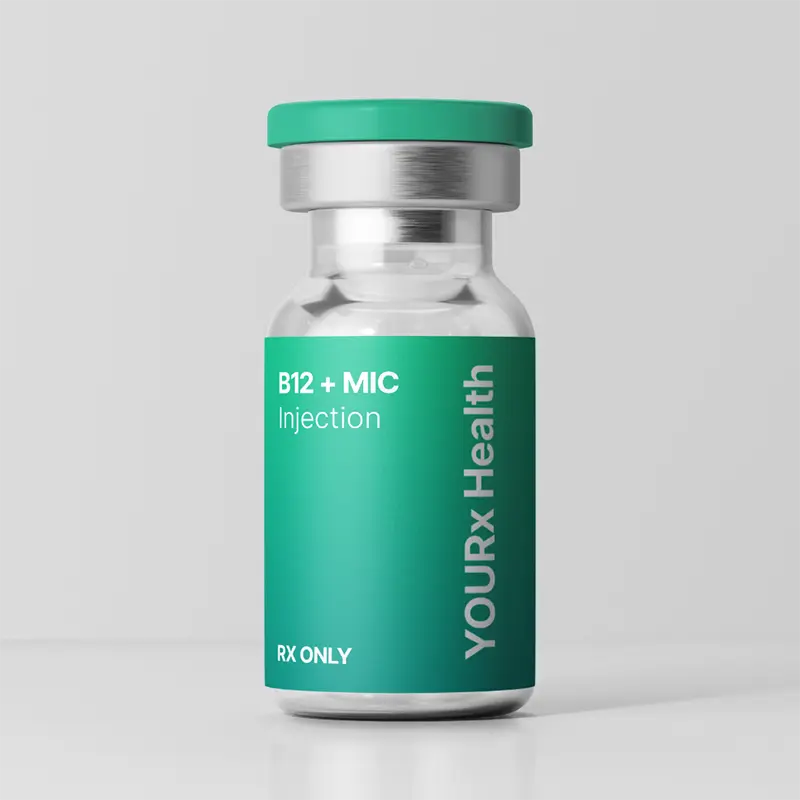
- Verify the product labeling: dose in mcg/mg, B12 form, sterility/quality signals, storage instructions.
- Know the out-of-pocket baseline: compare per-dose cost and per-week cost so you don’t get surprised mid-trial.
Red flags I’d treat seriously:
- “Guaranteed energy” claims or language that implies a cure for fatigue without labs.
- Vague ingredients, no strength listed, or unclear B12 form.
- Instructions that skip sterility and injection safety basics.
- Return policies that make it hard to stop if you have a reaction.
Common Mistakes and How to Avoid Them
- Skipping labs and assuming symptoms automatically equal low B12 (my negative-case friend experienced this).
- Changing multiple variables at once—new sleep schedule, new caffeine, new supplements—so you can’t tell what helped or hurt.
- Underestimating injection logistics: cleanliness, correct technique, and proper disposal.
- Expecting instant results: many people don’t notice meaningful changes until after consistent use across weeks.
- Ignoring side effects and continuing anyway. If you get persistent rash, swelling, or systemic symptoms, stop and seek advice.
Consumer-friendly tip: If you’re doing a trial, keep it simple and track symptoms daily in a notes app: energy (0–10), focus (0–10), and any side effects (location soreness, headache, GI changes). That turns “was it worth it?” into real data.
FAQ
Is it proven that MIC B12 injections help with energy when you’re not deficient?
Evidence is strongest for deficiency or clear risk of deficiency. If your B12 levels are normal, supplements—including MIC B12 injections—may not produce noticeable benefits, and symptoms may have other causes.
How long does it take for MIC B12 injections to work for fatigue symptoms?
When B12 is the limiting factor, changes are typically gradual. Many people evaluate over 2–6 weeks rather than expecting a one-day effect.
What are the common side effects of MIC B12 injections?
Common issues can include injection-site soreness, redness, or mild headache. Stop and get medical advice if you experience severe reactions such as widespread rash, swelling, breathing trouble, or persistent worsening symptoms.
Can MIC B12 injections combine with other supplements?
Often, yes in general wellness contexts, but combinations matter (especially if you’re also taking iron, folate, or other B vitamins, or if you have specific medical conditions). If you’re on medications or have underlying conditions, ask a clinician.
MIC B12 injections vs oral B12: which is better?
Oral B12 can be effective for many people and is lower risk practically. Injections may be more suitable when there’s absorption impairment or when a clinician prescribes an injection. The “better” choice depends on your cause, not just the form.
A Practical 2-Week Experiment Framework
Here’s a cautious way to trial MIC B12 injections (or decide not to), without assuming results. This is structured like a consumer experiment: track, compare, and stop if something feels off.
- Day 1 (setup): Write down baseline energy (0–10), focus (0–10), sleep duration, and any current symptoms. Confirm product dosing instructions.
- Days 1–2 (first dose/tolerance): Monitor injection-site reactions for soreness or redness. Record any headache, nausea, or unusual symptoms.
- Days 3–7 (stability): Keep your routine steady—same caffeine, same bedtime window, same diet—so the effect isn’t confounded.
- End of Week 1: Decide whether you’re tolerating it well. If you’re getting persistent adverse effects, pause and get advice.
- Days 8–14 (review): Continue your dosing per label (or your clinician’s plan). Re-rate energy and focus on the same 0–10 scale.
- Day 14 (decision): If you saw no change and symptoms suggest another cause, stop the trial and consider labs or clinician guidance rather than “stacking” more supplements.
If your coverage question is central, also track costs during the two weeks: per dose cost, supplies, and whether any paperwork or billing codes were needed. That makes “are MIC B12 injections covered by insurance?” actionable instead of theoretical.
About the Author
Renee Park is a health-adjacent consumer reviewer focused on translating supplement and vitamin product claims into practical, cautious guidance. Over the past several years, Renee has reviewed dosage labels, compared ingredients, and documented side-effect patterns from user-submitted experiences, with an emphasis on evidence-based expectations and realistic timelines. Renee’s disclaimer: this content is for informational purposes only and is not medical advice. Do not start, stop, or change treatment based solely on this article—talk with a licensed clinician for decisions tailored to your labs, health history, and medication interactions.
Discussion