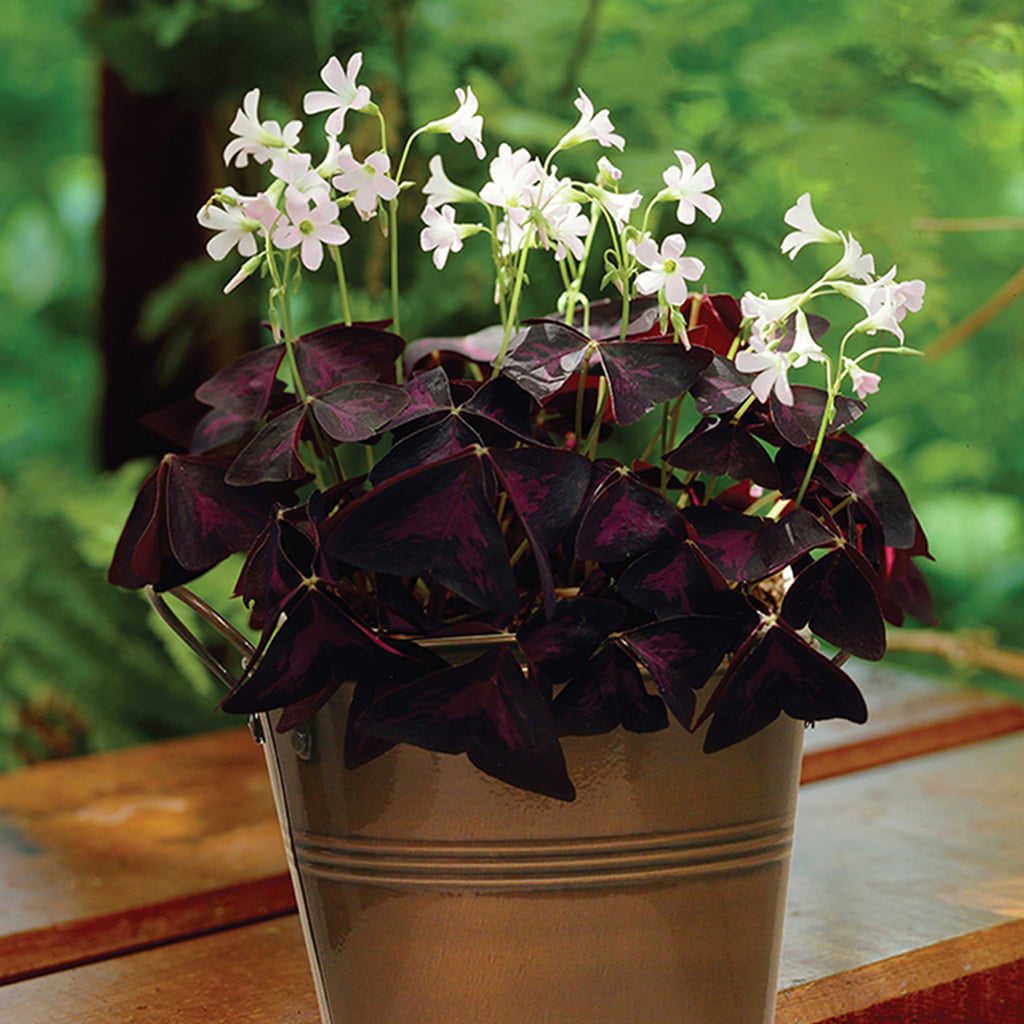
SKU: 90330224982
shamrock plant seeds

shamrock plant seeds White Part Sun Oxalis Bulbs Wood Sorrel Shamrock Perennial Growing Bonsai Roots Rhizomes Corms Tubers Potted Planting Reblooming Fragrant Garden Species Blooms Flower Seeds Plant Gardening

Sale price$25.75 Regular price$28.61
Save 10%

Pay in installments of $7.15 with ShopPay, AfterPay and Klarna

Shipping Estimate
USA
  • USA
  • CAN

Ships within 48 hours · Estimated delivery Oct 19 - Oct 24

Promo Codes Available:

For Your Every Summer RSVP, with Code: SUMMER15

Description

shamrock plant seeds White Part Sun Oxalis Bulbs Wood Sorrel Shamrock Perennial Growing Bonsai Roots Rhizomes Corms Tubers Potted Planting Reblooming Fragrant Garden Species Blooms Flower Seeds Plant GardeningAbout this item OXALIS BASICS Botanical name: Oxalis species. Common names: Wood sorrel, false shamrock, shamrock plant, good luck plant, love plantPlant type: Tender bulb, often grown as an annual or indoor plant. Zones: USDA Zones 7 10, although some varieties can tolerate colder temperatures. Exposure: Full sun to partial shadeBloom time: Virtually ever blooming, with the heaviest flower production in the cooler temperatures of early spring and

About this item

  • OXALIS BASICS

    Botanical name:Oxalis species.
    Common names:Wood sorrel, false shamrock, shamrock plant, good luck plant, love plant
    Plant type:Tender bulb, often grown as an annual or indoor plant.
    Zones:USDA Zones 7-10, although some varieties can tolerate colder temperatures.
    Exposure:Full sun to partial shade
    Bloom time:Virtually ever-blooming, with the heaviest flower production in the cooler temperatures of early spring and autumn. Plants tend to rest in the summer when temperatures exceed 85°F.
    Flower colors:There are white, pink, rose, lavender, or yellow-flowered varieties, as well as some with two-toned flowers.
    Foliage colors:Green, purple, silver, or variegated
    Is oxalis toxic?
    All members of the Oxalis genus contain oxalic acid, which can be toxic when ingested in large quantities. Keep plants away from children and pets. See more Common Poisonous Plants for Dogs and Cats.
    Is oxalis invasive?
    Some native species of oxalis, such as yellow wood sorrel (O. stricta) and creeping wood sorrel (O. corniculata), are common weeds and considered to be invasive. However, the ornamental varieties featured here are easily contained and will not spread out of bounds.

  • PLANTING OXALIS

    Where to plant:
    In full sun or light shade in well-drained, fertile soil. If you live in a hot climate, plants will do best in a location with afternoon shade.
    When to plant:
    Plant bulbs outdoors in late spring, after all danger of frost has passed. The foliage typically emerges 3 to 4 weeks after planting, with the flowers appearing approximately 8 to 10 weeks later.
    How to plant:
    In garden beds, plant bulbs approximately 2 inches deep and 4 to 6 inches apart, covering lightly with soil. If necessary, dig a little compost or organic matter into the soil before planting to improve soil quality.
    For container plantings, plant the bulbs about an inch deep in a well-draining potting mix, using about 6 to 8 bulbs for a 6-inch pot.
    Forcing oxalis bulbs:
    You can also force potted oxalis bulbs indoors before moving them out to the garden by placing them in bright light in a room with cool temperatures (about 55° to 60°F). Keep the soil evenly moist, but not drenched. Once blooms begin to appear, they will often continue for several months. Unlike hardy bulbs, oxalis bulbs don’t need a cooling period (or vernalization) in order to grow.

  • OXALIS CARE AND MAINTENANCE

    Watering:
    Oxalis plants will wilt if the soil is allowed to dry out, so keep the soil evenly moist but not soggy. The bulbs will rot in overly wet soil.
    Fertilizing:
    If grown in well-composted soil, oxalis rarely needs additional plant food. Container-grown plants will benefit from the application a slow-release fertilizer at planting time. Withhold fertilizing if plants enter a resting or dormancy period in midsummer.
    Pruning and deadheading:
    Plants are self-cleaning, so no deadheading is necessary, but you can lightly prune the foliage at any time to control plant size and shape. If your plants go dormant in the summer and the leaves begin to turn brown, you can trim back the dying foliage to about an inch from base of the plant.
    Overwintering:
    In areas colder than zone 7, dig up bulbs planted in garden beds before the first frost and store them in a cool, dry place until they can be replanted in the spring. For shamrock plants grown in pots, move them indoors and stop watering them. Store them in a cool, frost-free place to keep them dormant. At the beginning of the next growing season, you can repot the bulbs and resume watering and fertilizing.
    Pests and diseases:
    Oxalis have few pests, but be on the lookout for aphids, whiteflies, and spider mites, which may occasionally be a nuisance. Other potential problems include fungal leaf spot, rust, and powdery mildew.

  • GROWING OXALIS INDOORS

    Light requirements:
    Give bright, indirect light, such as from a south- or west-facing window. Under low-light conditions, plants may become spindly and fail to bloom.
    Ideal room temperature:
    Cool night temperatures (around 50° to 65°F) and warm daytime temperatures (around 70° to 75°F).
    Humidity:
    Average household humidity levels are fine.
    Watering:
    Keep soil evenly moist, watering when the surface of the soil feels dry. Pots should have drainage holes to prevent soggy soil.
    Fertilizing:
    Feed every 2 to 3 weeks with a balanced liquid house plant fertilizer while plants are actively growing.
    Dormancy:
    If your indoor oxalis begins to lose all of its leaves, don’t panic. It’s just entering a period of dormancy (which usually lasts for a month or two) so it can conserve energy for a new flush of growth. During this time, move your plant into a dark place, reduce watering, and stop fertilizing until you see new growth begin. This dormancy period is a good opportunity to divide plants by separating some of the bulbs and replanting them in new pots.    

  • USING OXALIS IN THE GARDEN

    There are many ways to use oxalis in the garden, including: rock gardens, groundcover, edging or front of border, or in containers and hanging baskets.
    Fun fact:
    Ever wondered why some oxalis are called "butterfly shamrocksâ€? That’s because their leaves are photophilic, which means they respond to light intensity by folding up at night or on overcast days and reopening when the sun shines. During the day, they may even stretch or change the position of their leaves to capture as much sunlight as possible.                     

    Why Seedsplant ?

    • Experts in the field
    • Family owned and operated - 100 years
    • Rigorous quality control
    • We strive for your success by offering the bulb size you need
    • Affordable quality

    Flower Bulb Facts of Life

    Bulbs: Beauty In a Bottle:

    Bulbs are a natural product. And, as such, follow a natural cycle of growth and rebirth. Enjoying their fabulous flowers means planting ahead in one season then results the next. Bulbs are among the easiest flowers to grow, not only are they affordable, but bulbs offer the most stunning colors available. Even the most novice gardener can create a breathtakingly beautiful spring garden with bulbs.

    What's a Bulb?

    A flower bulb is really a self-contained flower factory. Within this marvelous little package is nearly everything the flower needs to come to life! Split a bulb open, for instance, and you'll see its baby flower bud, leaves, roots, stem and food supply. All bulbs need from you is to be placed in the ground at the appropriate season of year, given a liberal drink of water then left to work their magic.

    Variety:

    Flower bulbs come in seemingly limitless varieties which makes them perfectly suitable for any garden design you can dream up.

    Is It a bulb ?

    The Difference Between Bulbs, Corms, Tubers, Roots,Today, people commonly us the term 'bulb' to refer to any plant that stores its own food underground. But, in truth, many popular 'bulbs' are not true bulbs at all. These include corms, tubers and roots and, while they all produce beautiful flowers, technically the plants are different

    When To Plant

    In fall, after soil temperatures are below 50ºF/10ºC. These bulbs bloom the following spring and require the cold winter temperatures for development. But let's say winter arrives and your bulbs are still in their bag. Not to worry! Bulbs are pre-programmed to grow so even if you have to plant through snow, plant your bulbs!

    How To Plant

    Most bulbs thrive in either full or partial sun and in almost any location with good drainage. Avoid planting at the base of hills or under drainage pipes where water collects and will rot the bulbs.

    • Dig a hole
    • Drop in the bulb
    • Water thoroughly

    Tips For success

    • A larger grouping of flower bulbs are far more fab than just a few planted here and there. Think clumps of color.
    • Buy the largest bulbs you can find.
    • Note the flowering times. Not all bulbs will bloom at the same time. A little planning will greatly increase the number of months you will enjoy bulb flowers.

    Passionate About bulbs

    Generally speaking, the best predictor for gardening success is bulb size. Almost always, the larger the initial bulb size planted, the larger and stronger the plants will be, producing more flowers. The first year end result will be noticeable to anyone.The best predictor for gardening success is bulb size.

    Shipping

    All items are shipped usually within 2 working days (usually sooner) except plug plants. Plants only dispatch Monday-Thursday to avoid problems with live plants sitting in a postal depot over the weekend. During busy periods , due to the nature of product and extra care needed when packing and preparing for post, please allow up to 7 days for delivery (depending on day purchased). Plants are only dispatched when crops are ready to travel , therefore some multi orders may be delivered separately and occasionally it may be necessary to hold back dispatch until plants are ready. Shipping is either via Post  or 24/48 Hour courier depending on order size/weight etc. at our discretion. Please be patient when ordering plants as you cannot rush nature. Please be aware delivery dates shown by Seedsplant are estimates only and do not apply to live plant orders. Any orders returned to us by Post or Courier will incur a further postage charge to resend.

    Returs

    You may return all unopened items within 14 days of delivery for a full refund less P&P charges. Any items received damaged in transit must be notified in writing/email within 24 hours of receipt. Live plants should arrive in perfect condition , If however for some reason they do not please contact us immediately upon receipt. A full refund including original P&P will be made for any items not as described or wrong part no etc. All returns must include your full details with a copy of original receipt. You may cancel any transaction as long as notice is received before item(s) are / have been dispatched.

    Contact us

    You can message us through Seedsplant messages , otherwise You can write to us by email :[email protected]

    Shipping Notes
    • Free Standard Shipping on $100+ Orders to the USA.
    • Except Preorder products are shipped in 48 hours.
    • Delivery to the USA:
    1. Standard Shipping : 3-10 business days
    • If time is of the essence, please consider selecting expedited delivery for faster service.
    Exchange/Return Notes
    • We offer a 30-day return/exchange service after receiving.
    • Final sale items are not eligible for returns or exchanges.
    • To process your return/exchange, please contact us at [email protected]
    • Please click here for more details>>> Return & Exchange Policy
    SKU: 90330224982

    Discover Niche Categories That Outsell shamrock plant seeds

    Top-Converting Item to Boost Your Average Order

    4.4 ★★★★★
    Based on 10 reviews
    Sort
    Highest Rating
    Newest First
    Oldest First
    Product Reviews
    A
    Verified Purchase
    Adrianna Randall
    Dallas, US
    ★★★★★ 4
    The Details of the Height of British Naval Power
    Format: Hardcover
    This is the final volume in Rodger's three part series. This coves a lot of ground that includes Britain's height of imperial/naval hegemony and then its exhaustion after two world wars. Read this book if you want to learn about the details that actually go into an important national organization like the Royal Navy. Things like politics, administration, logistics, ship design, talent pipelines, engineering difficulties, etc. Rodgers goes deep. Things like: 1) Fire control on big guns on warships is a very hard technical challenge and wasn't really solved until the 2nd World War with more advanced electronics. 2) In the coal fired age of ships, most of the navy were coal stokers. The limit of range was actually their exhaustion, not how much coal was on board. 3) Twice the number of bombs were dropped on Malta in WW2 as on London during the Blitz! 4) Britain's naval dominance was tied to economic dominance and was sea power/trading based. Sea based trade is so powerful and economical that it was cheaper to ship a ton of coal by sea than train within Britain itself! 5) Britain had a monopoly over undersea cables for global communications. They used this as a weapon to spy on enemy communications and to cut off others access to the network. Sound familiar to the SWIFT banky network today? 6) Welsh coal was the best coal. So good that the Austo-Hungarian navy stockpiled before the war enough that they used it exclusively throughout WW1.
    WAS THIS REVIEW HELPFUL?YesReportShare
    Reviewed in the United States on November 16, 2025
    J
    Verified Purchase
    J. Armstrong
    Port Orchard, US
    ★★★★★ 5
    A clear and concise book
    Format: Hardcover
    Fascinating book. Berntsen provides some interesting insights and recommendations on how we should fix problems at the CIA and in the national security apparatus. At a time when most critics want to destroy the Agency, Berntsen provides some plain spoken sanity. Human Intelligence, Counterterrorism and National Leadership needs to be read by anyone entering into defense, foreign affairs or intelligence - and anyone else with an interest in how the CIA works. It is a fast and enjoyable read.
    WAS THIS REVIEW HELPFUL?YesReportShare
    Reviewed in the United States on November 17, 2008
    R
    Verified Purchase
    Retired Reader
    Boise, US
    ★★★★★ 4
    Skimming the Surface
    Format: Hardcover
    The essence of this book is to succinctly explain the role of CIA's National Clandestine Service (Directorate of Operations) in formulating and more importantly executing a coherent counter-terrorism strategy. Gary Berntsen is a retired CIA intelligence officer (clandestine service) with an impressive record of field assignments to his credit. He also clearly knows the ways of Washington D.C. in that this book is designed for those suffering from attention deficit disorder. While he raises several interesting point in the book, he also reveals an astonishing narrowness of view and tendency to reduce everything to its simplest terms. In his introductory `background' chapter Berntsen makes the dubious claim that the collection of intelligence from human sources (HUMINT) is the "primary mission of CIA." Apparently he is unaware that CIA was originally founded to produce all source finished intelligence and that the National Intelligence Council (NIC), until recently under CIA, was the final word in the U.S. Intelligence System. Nothing reveals the sorry state of CIA's Directorate of Intelligence better than this claim. In the same manner Berntsen is apparently oblivious to the availability and uses of intelligence collected by technical means. To his credit he does recognize that the best intelligence is more often available from open (non-classified) sources than from secret sources. Yet he neither expands nor follows up this observation. Berntsen more or less follows this pattern through out this book. For example he provides a brief discussion of the traditional Islamic Banking System called Hawalla, but is apparently unaware that the system is based on a recognized credit not cash and that money does not move across international borders. The system is widely trusted and is widely used by Muslim expatriates in the West and Saudi Arabia to send money home. For this reason Hawalla credit transfers providing money to terrorists are easily lost in a world wide mass of transactions. Yet it is possible to track Hawalla transactions and it has been done without "intensive manpower" allocations. Berntsen deserves a good deal of respect and credit for his obvious service to the U. S. and his dedication to the cause of clandestine intelligence operations and its hand maiden covert operations. Yet this book is a terminally superficial and ill-considered work by someone who not only should know better, but could have produced a first rate `practical guide' to a counter-terrorism strategy.
    WAS THIS REVIEW HELPFUL?YesReportShare
    Reviewed in the United States on October 30, 2008
    M
    Verified Purchase
    matt crossland
    Belleville, US
    ★★★★★ 5
    Excellent Overview on Counterterrorism
    Format: Hardcover
    What really sets this book apart from the rest of books on the subject is that it illustrates positive solutions to the problems. It is also a very entertaining and fun read. I would highly recommend this book to anyone concerned over current events and terrorism in our time.
    WAS THIS REVIEW HELPFUL?YesReportShare
    Reviewed in the United States on April 17, 2014
    B
    Verified Purchase
    Brian
    Dallas, US
    ★★★★★ 4
    Good book worth adding to your CIA collection.
    Format: Kindle
    I enjoyed reading this quite a bit. It's a very fast read that provides an introduction to the layers of the CIA.
    WAS THIS REVIEW HELPFUL?YesReportShare
    Reviewed in the United States on August 2, 2016

    recommand products