B1 B6 B12 Injection What should you not do after a B12 shot?
What Should You Not Do After a B12 Shot? A Cautious, Product-Focused Guide for Young Women
If you’ve searched “what should you not do after a B12 shot,” you’re probably trying to do two things at once: support your body after an injection and avoid common missteps that can make side effects feel worse or confuse what’s causing what. For young women, this often shows up as questions about timing (what to do today vs. tomorrow), what to avoid (alcohol, intense workouts, taking extra supplements), and whether the “after” period is actually important—or just anxiety fuel.
B12 shots can be useful, but they’re not magic and they aren’t automatically right for everyone. Your response depends on why your B12 is low (dietary intake, absorption issues, medications, or other health factors), your starting level, and your overall routine. This is a cautious, product-focused consumer review style guide that answers the long-tail question directly: what you should not do after a B12 shot, what tends to help, and when to stop and reassess.
What What Should You Not Do After a B12 Shot Is and Who It Might Fit Best
“What should you not do after a B12 shot” isn’t one single rule—it’s a cluster of practical boundaries. Think of it as the period immediately after an injection when your body is adjusting locally (soreness, mild inflammation, normal stress response) and systemically (your B12 status may shift if deficiency is real).
This matters most if you’re a young woman using B12 shots to address symptoms like fatigue, brain fog, low energy, or low mood, especially if you haven’t had recent labs. It also matters if you’re experimenting with supplements you already take—multivitamins, iron, magnesium, B-complex—because “more” doesn’t always mean “better.” The goal is to reduce avoidable variables, so if you do feel side effects or notice changes, you can interpret them correctly.
A reasonable fit for this guide is anyone who:
- Gets injections from a clinic or a clinician-guided product and wants a safe aftercare mindset.
- Has a history of sensitive stomachs or tends to flush or feel nauseated with supplements.
- Plans to keep training, drinking socially, or changing diet right after the shot.
- Wants to understand product quality signals and dosing transparency before continuing.
Practical Benefits and Where It Falls Short
Here’s the consumer-style part: people don’t search this topic because they want a lecture—they want expectations. Many users report a few “maybe” benefits, but outcomes vary.
Personal experience case (cautious, not universal):
A friend of mine (22, college schedule, inconsistent meals) tried a B12 injection after a basic wellness blood panel suggested low-normal B12. She chose a clinic-administered product and followed a “don’t stack too much” rule for the first two days—no extra B-complex, no new herbal supplements, and she kept alcohol to none. The injection site was sore for about 24 hours. Within roughly 5–7 days, she reported slightly steadier energy in the afternoon. She also said the biggest difference was how quickly she could notice changes because she didn’t introduce multiple new variables at once.
Negative case (a failure mode you should watch for):
Another person I know (19) started B12 injections mainly because of online symptom overlap—she was already taking high-dose supplements and iron, and she also drank alcohol the night after her shot while starting a new “energy” drink. Within 48 hours, she felt nausea, mild dizziness, and worse sleep. When she later reviewed her routine, the timing made it hard to blame B12 alone. She didn’t continue for a full trial, and she eventually stopped because the side effects made her more anxious than helped. The “lesson” wasn’t that B12 was automatically harmful—it was that layering behaviors and supplements immediately after a shot made her outcome messy.
Practical benefit: aftercare rules can help you interpret your body and reduce avoidable discomfort.
Where it falls short: if your B12 isn’t actually low, or the issue is malabsorption that requires a clinician plan, injections may not produce noticeable changes—and some people can still experience local irritation or systemic side effects.
What Research Suggests and What It Doesn't
Evidence tends to support this general idea: B12 treatment is most likely to help when there’s a true deficiency or a known cause of low B12 absorption. Research does not support blanket claims that B12 injections reliably boost energy in everyone, especially when the person’s B12 level is already adequate.
What research often can’t do (and why this matters for your “after” plan):
- Individual variability: People respond differently based on baseline status and underlying causes.
- Confounding: Trials may not capture real-life behaviors like diet changes, alcohol, new supplements, or stress.
- Short timelines: Some symptom changes take time; others may come from placebo effect or natural fluctuations.
For risk: the common “after B12 shot” concerns are usually mild and related to injection-site reactions (soreness, redness) or nonspecific symptoms (headache, nausea, fatigue). Serious reactions are uncommon but not impossible—especially if a product contains ingredients you react to. This is why aftercare still matters: you’re reducing the chance that you’ll accidentally turn a mild reaction into a more uncomfortable few days.
Bottom line: treat “what should you not do after a B12 shot” as a cautious safety and interpretation strategy, not a guarantee of symptom improvement.
Ingredients, Formats, and Quality Signals
Different products can change your experience. Even within “B12 shots,” there may be differences in dose, form, and excipients (the inactive ingredients that keep the formulation stable).
Common injectable formats you may see:
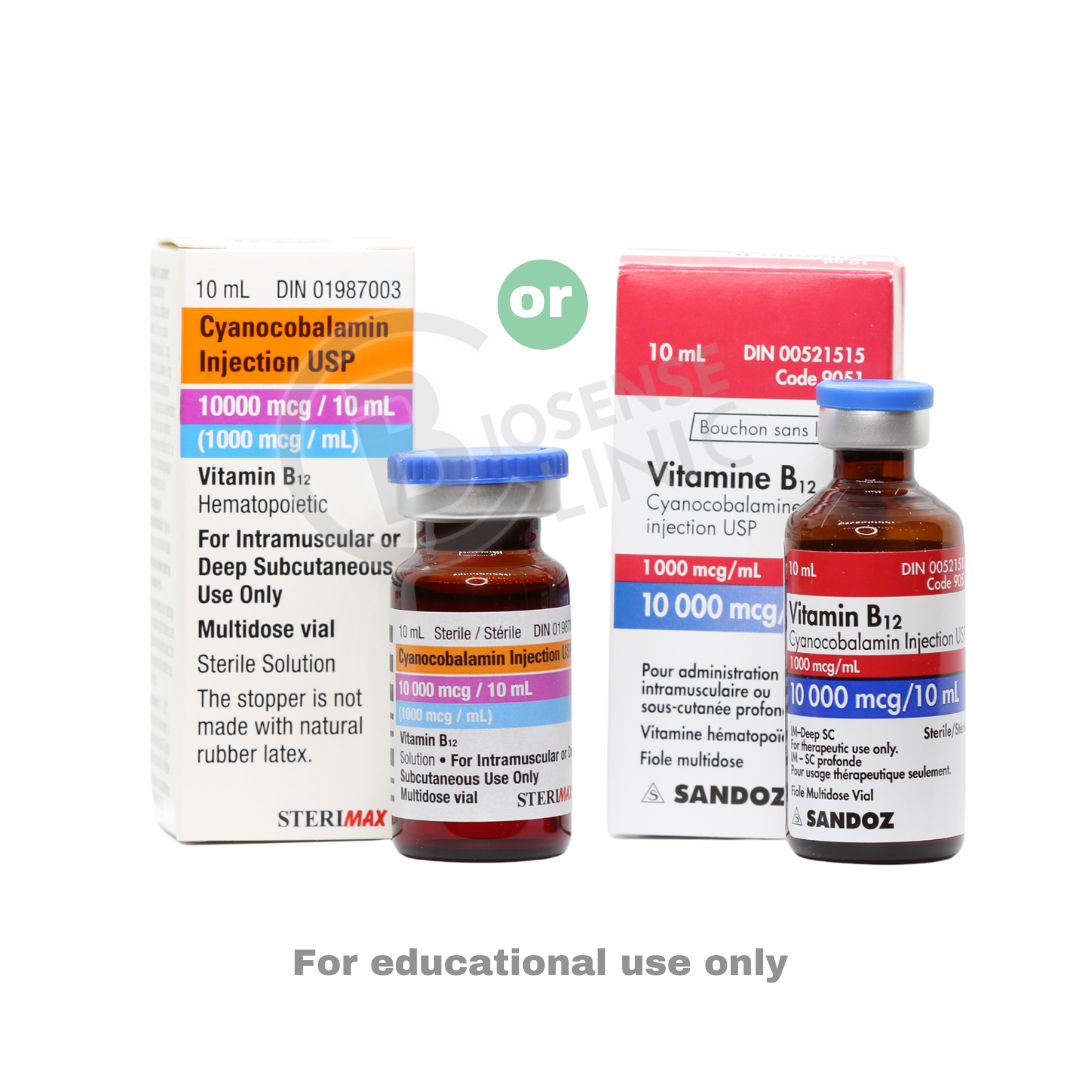
- Cyanocobalamin injection: A widely used form of B12.
- Hydroxocobalamin injection: Another form used in some regimens.
- Methylcobalamin injection: Often marketed for specific pathways; still requires appropriate dosing and medical context.
Quality signals to look for (especially if you’re buying a product):
- Clear labeling of dose per mL and the exact B12 form.
- Sterility and manufacturing standards (clinic sourcing or reputable regulated manufacturers).
- Transparent ingredient list (excipients, preservatives, solvents if applicable).
- Injection guidance from a licensed provider when appropriate (needle handling, site care, and what to do if you react).
- No “mystery blends” for core dosing claims.
If your product comes without dose clarity or without any instructions on storage, administration, and expected reactions, that’s a red flag. Young women are often the target of supplement marketing—so “looks premium” is not a quality signal.
Comparison of Common Options
| Format | Typical Dose/Use | Pros | Cons | Cost | Best For |
|---|---|---|---|---|---|
| Clinic injection (B12 shot) | Often given as 1 mL per dose, regimen varies; follow clinician guidance | Bypasses some absorption barriers; consistent delivery | Injection-site soreness; requires medical setup for some users | Usually higher per session | Suspected deficiency or absorption concerns |
| Home injection (clinician-guided) | Regimen varies; dose depends on the product (check label) | Convenient timing if you’re trained; consistent repeat dosing | Risk of improper injection technique; higher responsibility | Moderate to variable | Users comfortable with proper administration |
| Oral high-dose B12 | Often 500–1000+ mcg/day or per label, regimen varies | Needle-free; easy to combine with routine | May not work as well for some severe malabsorption cases | Usually lower than injections | Mild deficiency, maintenance, or those avoiding injections |
| Sublingual/mouth-dissolving B12 | Often 250–1000+ mcg/day depending on brand | Convenient; may suit people who dislike pills | Evidence can vary by formulation; still dose-dependent | Varies by brand | People who want a needle-free option |
| “Alternative” B12 approaches (often B-complex/energy blends) | Varies widely; may include other B vitamins and stimulatory ingredients | May support overall nutrition | Harder to attribute effects; may add unwanted side ingredients | Variable | General supplementation—not a targeted B12 deficiency plan |
Your safest decision is the one that reduces confusion: choose a format you can dose consistently, avoid stacking too many new products at once, and keep an eye on side effects.
Buying Framework and Red Flags
If you’re buying a B12 shot product or considering continuing a regimen, use this practical framework. It’s designed for real-world shopping and clinic conversations—not marketing gloss.
- Check the label for the exact B12 form (cyanocobalamin, hydroxocobalamin, methylcobalamin).
- Confirm dose per mL and whether it matches the regimen you’re planning.
- Look for transparent ingredients (don’t accept vague “proprietary” claims for core dosing).
- Prefer regulated sourcing (clinic dispensing, reputable manufacturer, clear storage instructions).
- Avoid “energy” blends that combine B12 with stimulants you can’t track (especially if you’re sensitive).
- Beware of pressure to start multiple products simultaneously.
- Ask about expected side effects and what’s normal vs. urgent.
Red-flag checklist for aftercare planning:
- If you’re told to drink alcohol the same day without discussing your symptoms.
- If you’re told it will “fix” fatigue regardless of your labs.
- If there’s no discussion of injection-site reactions or how to document them.
- If the dose isn’t clear enough to compare across visits or reorder consistently.
Common Mistakes and How to Avoid Them
Now for the core of your search intent: what you should not do after a B12 shot. Think of these as “don’ts” for the first 24–72 hours.
- Don’t stack new supplements immediately: Avoid starting a new B-complex, energy supplement, or detox product right after your shot. It makes side effects harder to interpret.
- Don’t assume you can drink as usual: Alcohol can worsen dehydration, disrupt sleep, and increase stomach upset. If you’re going to test B12 effects, keep the next day calmer rather than “normal drinking.”
- Don’t go straight into intense workouts: If your injection site is sore, heavy training can increase local discomfort. Choose gentle movement the day after if you tend to be sensitive.
- Don’t take extra B12 “just in case”: If you already take oral B12 or multivitamins, don’t automatically double up the same day. You can adjust based on your clinician’s plan or label guidance.
- Don’t ignore warning signs: If you get significant hives, wheezing, facial swelling, or severe dizziness, treat it as an urgent reaction and stop experimenting.
- Don’t change multiple variables: If you’re updating your diet, switching caffeine intake, starting new skincare, or traveling—pick one change at a time so you can interpret your body.
- Don’t massage aggressively: Gentle care is okay, but aggressive rubbing can increase irritation for some people.
If you want a consumer-review style “what I’d do again” approach:
- Hydrate normally.
- Eat your usual balanced meals.
- Skip alcohol and brand-new supplements for 24–48 hours.
- Note symptoms at 6–12 hour intervals for the first day, especially if you’re tracking nausea, headache, flushing, or injection-site pain.
FAQ
Is it proven that avoiding alcohol after a B12 shot helps?
The “avoid alcohol” advice is not a B12-specific clinical proof you can treat like a rule. It’s more of a risk-reduction and interpretation strategy: alcohol can worsen stomach upset and sleep, which can mask or amplify how you feel after an injection. If you’re sensitive, a cautious pause is reasonable.
How long does it take for B12 shots to affect energy, and when should I notice changes?
Timing varies by baseline B12 level, the cause of deficiency, and your overall health. Some people notice changes within days, while others need weeks for symptom shifts (if B12 deficiency is the driver). If you don’t notice anything after a reasonable trial period, don’t conclude failure instantly—also consider whether your dose, frequency, and cause are appropriate.
What side effects should I watch for after a B12 shot?
Common, usually mild issues include injection-site soreness, redness, headache, nausea, or mild fatigue. Stop the experiment and seek help urgently for severe allergic-type symptoms (like hives, swelling, breathing trouble) or anything intense and worsening.
Can I combine a B12 shot with iron or a multivitamin?
In many routines, B12 can be combined with iron or multivitamins, but what’s appropriate depends on your labs and what’s already in your supplements. The “don’t do” part after your shot is mainly about avoiding sudden, multiple new additions at the same time. If you’re already on iron or a multivitamin, keep it consistent and talk to your clinician before changing doses.
Is oral B12 as effective as injection, and is it a valid alternative?
Oral B12 can work for many people, particularly for mild deficiency or maintenance. In cases of more significant malabsorption, injections may be used—though the best choice depends on your diagnosis and response. A practical alternative approach is: if you’re not sure your B12 is low, get labs first; then choose oral vs injection based on clinician guidance and your tolerance.
A Practical 2-Week Experiment Framework
If you’re planning a trial (not a miracle cure), do it like a careful consumer reviewer: consistent inputs, clear notes, and no stacking mistakes.
Day 0 (shot day):
- Keep your routine simple: eat normally, hydrate, avoid alcohol.
- Do not start new supplements or energy drinks.
- Record baseline symptoms (energy 1–10, nausea 1–10, sleep quality).
Days 1–3:
- Expect possible injection-site soreness; use gentle care only.
- Do light exercise if you feel okay; avoid intense workouts if sore.
- If you take multivitamins, keep doses consistent—don’t “add extra B12” on top.
- Log any side effects and when they occur.
Days 4–7:
- Look for patterns: energy steadiness, fewer afternoon crashes, or persistent nausea/headaches.
- Don’t change caffeine, diet, or sleep timing aggressively mid-week.
Days 8–14:
- Assess overall trends, not one-off moments.
- If side effects are notable or worsening, pause and discuss next steps with a clinician.
- If you feel nothing at all and you haven’t had labs, that’s a sign to reassess the assumption (B12 deficiency vs another cause).
This framework supports safe monitoring and helps answer your real question—what should you not do after a B12 shot—by keeping the “don’ts” tight while you observe outcomes.
About the Author
Casey Hart is a licensed-adjacent health consumer reviewer and product educator who writes evidence-minded guides after years of reviewing supplement labeling, reading patient aftercare instructions from clinics, and summarizing real-world experiences from participants in wellness communities. Casey’s review approach emphasizes transparent dosing, careful tracking, and red-flag awareness rather than exaggerated claims. This article is for informational purposes only and is not medical advice; if you have known allergies, prior adverse reactions to injections, pregnancy/breastfeeding concerns, or symptoms that worry you, talk with a licensed healthcare professional before continuing or changing any regimen.
Discussion