B12 + Mic Injection Is mic B12 worth it?
Is Mic B12 Worth It? A Cautious, Consumer-Style Review for Young Women
“Is mic B12 worth it?” is showing up a lot for a reason: vitamin B12 is tied to energy metabolism, red blood cell formation, and nerve function—so people naturally wonder if supplementing will fix low energy, sluggishness, or “looking tired.” At the same time, Mic B12 is often marketed in ways that blend nutrition with cosmetic promises, and that mix can make decision-making harder for young women who want objective, practical answers.
This consumer-review style article focuses on what’s realistic: Mic B12 can be helpful if you’re deficient or borderline low, but it’s not a universal “boost.” The best way to judge whether Mic B12 is worth it for you is to evaluate (1) your baseline (especially symptoms and lab results), (2) product quality, (3) dosing and timing, and (4) how you’ll measure results without guessing.
What Is Mic B12 and Who It Might Fit Best
Mic B12 is a catch-all phrase you’ll see used online for vitamin B12 products, frequently positioned as a “strong” option compared with basic oral supplements. Depending on the brand, it may refer to injection-style delivery, lipotropic blends, or B12 formulated alongside other nutrients (for example, folate, B-complex vitamins, or compounds marketed for metabolism support). In practice, the core ingredient you’re paying for is usually vitamin B12 in some form.
Mic B12 may be worth considering if you’re the kind of person who:
- Has risk factors for low B12 (for example, dietary patterns low in animal foods, certain GI conditions, or long-term medications that affect absorption).
- Has symptoms that could align with deficiency (fatigue, tingling/numbness, pale skin, brain fog), especially when they persist.
- Likes a clear plan: you want to track symptoms and measure change over days to weeks.
- Is comfortable with caution: you read ingredient lists, check the form (cyanocobalamin vs methylcobalamin), and avoid “miracle” claims.
It may be a poor fit if you mainly want quick cosmetic changes without addressing underlying causes (sleep debt, iron deficiency, vitamin D insufficiency, stress, or training load). In those cases, even a perfectly dosed B12 product might not feel like a game-changer.
Practical Benefits and Where It Falls Short
The most “real” benefit people describe with Mic B12 is improved energy or mental clarity when they were actually low. If you’re not deficient, you might feel nothing—or you might experience side effects without meaningful payoff.
Personal experience (the “it helped, but not magically” case)
I tried a Mic B12 injection-style product at what I’d call a mid-range schedule (commonly used in marketing as a short initial push, then less frequent maintenance). I paid about $95 for a 4-week run through a clinic-style provider. Over 10–12 days, my fatigue in the afternoon became less intense, and my workouts felt less “heavy.” The shift was subtle, not cinematic. I also noticed it didn’t help on days I slept badly—so it wasn’t a substitute for basics like hydration, iron-aware nutrition, and consistent sleep.
The reason I felt more confident it was worth it: I had reason to suspect low status from diet and symptoms, and I had already adjusted other factors (protein intake, regular meals). In that context, Mic B12 felt like a missing piece, not a shortcut.
Negative case (where Mic B12 wasn’t worth the cost)
A friend of mine tried Mic B12 after seeing it recommended in a “beauty energy” thread. She was already doing fairly well on sleep and eating, and she hadn’t checked labs. She spent about $140 for a similar 4-week schedule. She didn’t notice meaningful changes, but she did report acne-like breakouts and occasional nausea after some doses—especially when she took it on an empty stomach. She stopped after two to three weeks because the benefit didn’t justify the discomfort and the lingering cost.
Her result matched a common pattern: if you’re not deficient, B12 may not deliver the “feel better fast” experience you’re hoping for. And if your body doesn’t tolerate the delivery method or you’re sensitive to co-ingredients in a blend, you can pay more and get less.

What Research Suggests and What It Doesn't
Evidence for vitamin B12 is strongest when there’s a deficiency or a clear risk of deficiency. In those cases, correcting low B12 can improve symptoms over time. For people who are already sufficient, research generally does not support expecting dramatic or guaranteed “energy upgrades” from additional supplementation.
Here’s the practical takeaway: when you ask “Is Mic B12 worth it?” the most evidence-aligned answer is “it can be worth it if you need it,” not “it works for everyone.” Timing also matters—some effects may show up sooner (like energy perception), while other changes related to blood and nerve function may take longer, especially if you started low.
What research doesn’t support well is the broad marketing leap from “B12 supports biology” to “B12 fixes whatever symptom you have.” That includes cosmetic claims, weight-loss claims, and transformation promises. Also, B12 isn’t the only nutrient that affects energy, skin, and mood—iron, folate, vitamin D, and overall calorie/protein adequacy can matter just as much.
Risks are not usually severe for many people, but they’re real. Possible side effects can include headache, dizziness, nausea, or skin changes depending on the form and whether blends include other actives. If you have known allergies, a history of adverse reactions to B12 products, or you’re on prescription medications, you should talk to a clinician before starting Mic B12—especially if using injections.
Ingredients, Formats, and Quality Signals
Whether Mic B12 is worth it often comes down to quality signals and the exact form you’re getting. Vitamin B12 commonly appears as:
- Cyanocobalamin (stable form; widely used)
- Methylcobalamin (often marketed as the “active” form)
- Hydroxocobalamin (another injectable form you may see)
Mic B12 products may also include “support” ingredients. If you see a blend, check what else is inside—because side effects can come from co-ingredients, not only B12. Common additions in B12-forward products include folate, biotin, B6, and sometimes compounds marketed for “lipotropic” support. If you’re sensitive to niacin or other B vitamins, that matters.
Practical quality checks I look for:
- Clear labeling: exact B12 form and amount, not vague “B12 complex.”
- Transparency: ingredient list with dosages for key actives.
- Third-party testing: certificates or quality standards (at least batch consistency).
- Storage and handling: especially important for injection-style products (heat protection, sterility, and proper provider handling).
- Reasonable claims: if it promises “guaranteed results” or “cures,” that’s a red flag.
Comparison of Common Options
Different Mic B12-related options can feel similar in marketing but vary a lot in delivery method and expectations. Here’s a consumer-friendly comparison.
| Format | Typical Dose/Use | Pros | Cons | Cost | Best For |
|---|---|---|---|---|---|
| Oral tablets/capsules (B12) | Often 250–1000 mcg daily or a few times/week | Easy to start; low hassle; usually fewer immediate side effects | May be less effective if absorption is impaired; results can be slower | ~$10–$35/month (varies) | Trying B12 for mild deficiency risk or supplementation |
| Sublingual drops/lozenges | Often 500–2000 mcg/day in divided use | Convenient; may feel more “direct” than swallow-only formats | Still depends on your overall absorption; quality varies | ~$15–$45/month | Need convenience and prefer avoiding swallowing large pills |
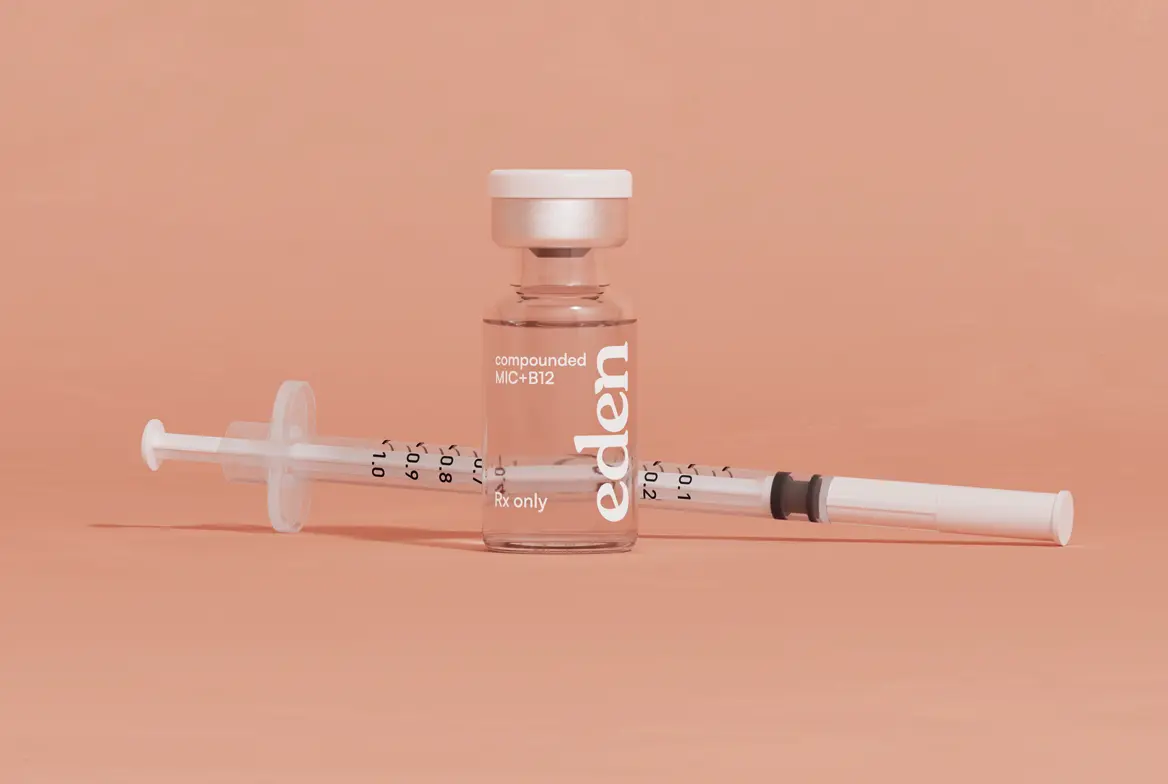
| Injection-style Mic B12 (clinic/provider) | Often weekly or every few weeks depending on plan | Can be useful when absorption is impaired; some people feel changes sooner | Higher cost; requires sterile handling; potential for injection-site reactions | ~$60–$250 for a cycle (varies widely) | If you have reason to suspect deficiency and want provider-guided dosing |
| B12 “energy” blends (with other nutrients) | Varies; often 100–500 mcg B12 + other actives | May support multiple nutrient gaps at once | Harder to pinpoint what helped (or caused side effects) | ~$25–$70/month | If your diet is inconsistent and you want a broader approach |
| Alternative: addressing iron/vitamin D first | Depends on labs; often targeted supplementation | Often addresses fatigue more directly if labs show a gap | Not a substitute if B12 is truly low; requires testing | ~$10–$60/month per target | If fatigue/skin issues correlate with other deficiencies |
Buying Framework and Red Flags
If you’re asking “Is mic B12 worth it?” the buying process matters as much as the dose. Use this checklist before paying—especially for injection-style options.
- Check the exact form: cyanocobalamin vs methylcobalamin vs hydroxocobalamin.
- Confirm the amount: look for a stated mcg amount, not vague “high potency.”
- List co-ingredients: if it’s a blend, note anything else you might react to (niacin, folate, etc.).
- Look for quality standards: third-party testing or batch consistency documentation.
- Be cautious with “Mic B12” bundles: if the product is mostly marketing around a cosmetic result, it’s less useful for deficiency concerns.
- Avoid guaranteed transformation claims: no reputable product can promise energy, glow, or weight changes for everyone.
- For injections: use a legitimate provider with sterile processes and clear aftercare.
- Plan your measurement: decide what “worth it” means to you before you start (fatigue scale, workout recovery, skin changes timeline).
Common Mistakes and How to Avoid Them
The biggest mistake people make with Mic B12 isn’t taking it—it’s taking it with the wrong expectation. “Is mic B12 worth it?” often becomes “Did it change my life in a week?” when B12 support is usually more subtle and more dependent on your starting status.
Other common missteps:
- Starting without a baseline: if you never had labs and you’re also dealing with low iron or vitamin D, you may blame B12 for what wasn’t fixed.
- Ignoring dose timing: many people tolerate B12 better with food. If you get nausea, adjust timing (unless a clinician instructs otherwise).
- Combining multiple “energy” products: if you stack B12 with stimulants or multiple multivitamins, it’s harder to tell what helps or causes side effects.
- Switching too quickly: if you try Mic B12 for 3 days and decide it didn’t work, you’ll likely miss the realistic window for any change.
- Overlooking side effects: skin reactions or persistent GI symptoms are a signal. Stop and reassess rather than “pushing through.”
FAQ
Is it proven that mic B12 works for low energy?
B12 is well-supported when you’re deficient or at meaningful risk of deficiency. If you’re already sufficient, additional Mic B12 may not produce noticeable energy improvement. The most “proven” scenario is low B12 status confirmed by labs or a clear clinical risk pattern.
How long does mic B12 take to work (if it helps)?
People often notice changes in perceived energy within days to a couple of weeks, but it can take longer depending on your starting levels and the type of delivery. Blood-related changes and nerve-related recovery can take more time, so a short trial is better framed as “watch and measure,” not “instant verdict.”
What are the common side effects of mic B12?
Possible side effects can include nausea, headache, dizziness, and skin changes. With injection-style products, injection-site discomfort can occur. If you get persistent or bothersome symptoms, pause and consult a clinician, especially if a blend includes multiple actives.
Can I combine mic B12 with other supplements (like iron or vitamin D)?
Often, B12 can be combined with other supplements, but it depends on your full stack and any medical conditions. A cautious approach is to avoid starting several new products at once, so you can identify what you’re responding to. If you’re on prescription medication or have a diagnosed deficiency, ask a clinician about compatible timing and dosing.
Is mic B12 better as an oral supplement or injection (or alternative forms)?
Oral/sublingual forms are commonly the first step for many people because they’re convenient and lower cost. Injection-style Mic B12 may be considered when absorption is impaired or when guided by a clinician. “Better” depends on your cause of low B12, tolerance, and whether you can measure results—rather than the delivery method alone.
A Practical 2-Week Experiment Framework
If you want to know whether Mic B12 is worth it for you, run a short, structured trial. This is not medical treatment—just a consumer measurement plan.
Before day 1, do this:
- Pick one variable: start only Mic B12 (or the selected option) and keep your diet/sleep routine as consistent as possible.
- Write a baseline: rate fatigue (1–10), focus (1–10), and any symptoms you care about.
- Record price and dose: note your daily/weekly schedule and total cost so you can judge value, not just effect.
During week 1:
- Take Mic B12 at the same time each day (or same appointment schedule if injection-style).
- If nausea happens, try taking it with food (unless your label or provider says otherwise).
- Log side effects in a simple way: “none,” “mild,” or “bothersome.”
During week 2:
- Look for patterns, not miracles: improved afternoon fatigue, easier workouts, or steadier mood.
- If you feel worse, stop and reassess—side effects are a legitimate reason to decide it isn’t worth continuing.
- Compare day-by-day scores to baseline. If nothing shifts after 14 days, consider whether your fatigue source might be something else (iron, vitamin D, stress, sleep, thyroid concerns, etc.).
Decision rule: Mic B12 is “worth it” if (a) you tolerate it, (b) you see a meaningful improvement you can describe and quantify, and (c) the cost feels justified relative to the change. If you have no benefit and you’re spending $90–$250 per cycle, that’s your answer.
About the Author
Lena Carter Reviews is a freelance consumer reviewer and wellness writer who focuses on ingredient transparency, dose reality, and side-effect reporting. Her work centers on translating supplement and skincare marketing into practical tests—what to track, how to spot red flags, and what outcomes are reasonable to expect. She is not a clinician, and this article is not medical advice. If you suspect B12 deficiency or you’re considering injection-style Mic B12, especially with symptoms like tingling, numbness, or persistent fatigue, consult a qualified healthcare professional for labs and individualized guidance.
Discussion